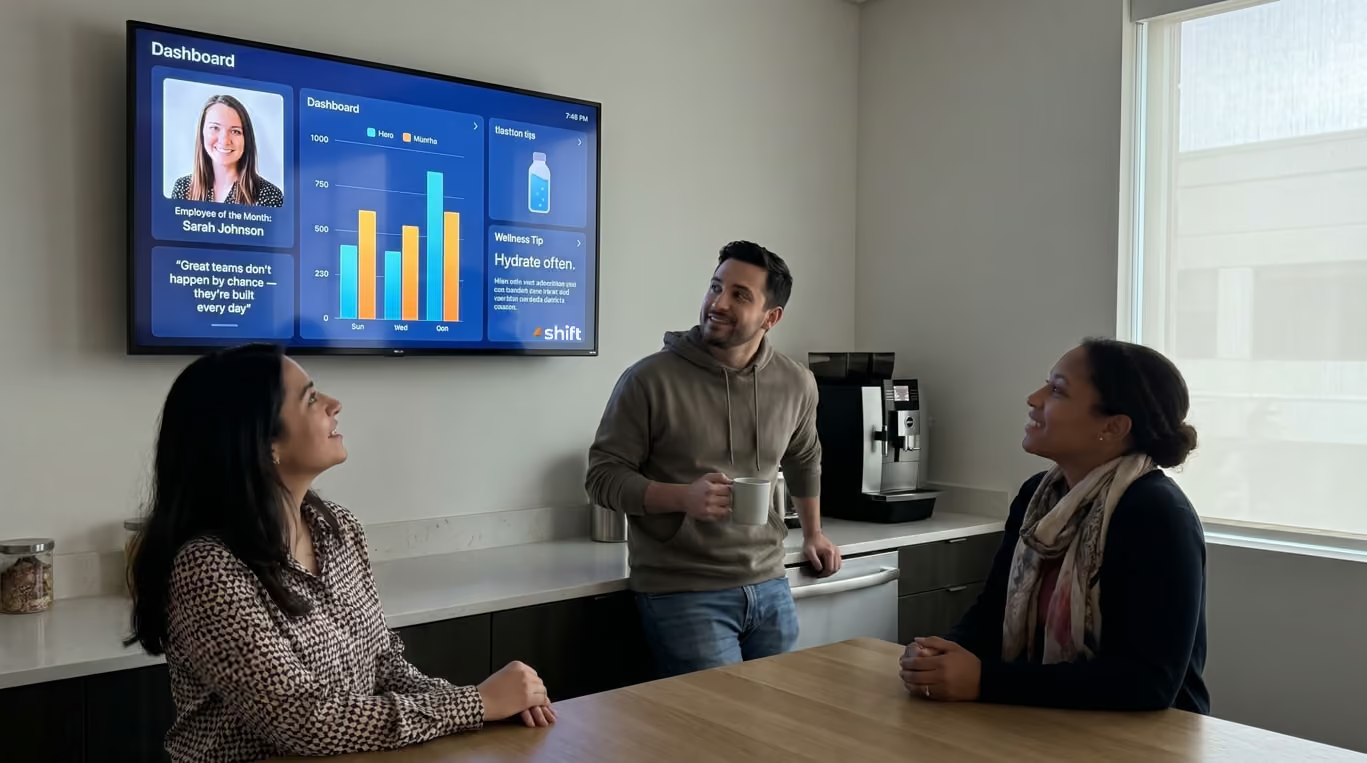
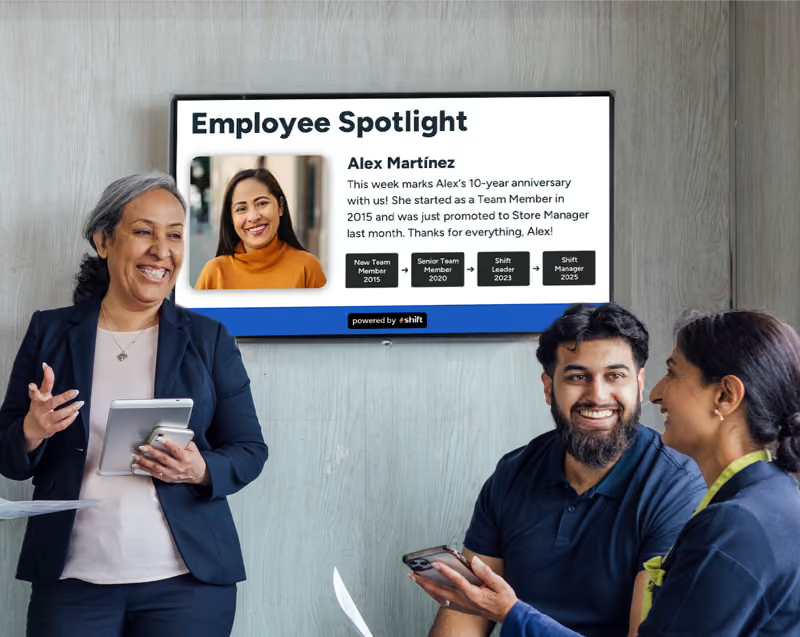
Long over are the days of marquee signs with wonky aluminum black letters advertising the latest sale, and white boards filled with outdated news that has yet to be erased and fixed with the latest happenings of the office. Nowadays we have an array of digitally updated signage that takes away from the old and happily brings in the new.
Just like with most newly created avenues, many companies want to take advantage and create a space for themselves to be in, and to be the best in. Since digital signage has become the new norm, it’s safe to say that all kinds of businesses have been looking into bringing it into their spaces. It’s not just one type of business that can benefit from digital signage, anything you can think of from schools, to hospitals, to restaurants, and more can greatly see clear improvements using these modern technologies, including manufacturing teams.
Manufacturing is arguably one of the biggest types of businesses that require clear and concise, streamlined, communication. So we’ve decided to put together a guide on how digital signage keeps manufacturing teams informed and aligned through every aspect of the job.
- Why Communication is Necessary for Strong Company Culture
- How Digital Signage Keeps Manufacturing Teams Informed and Aligned
- How Shift Keeps Your Digital Signage Running Smoothly
Why Communication is Necessary for Strong Company Culture
It’s such a cliche at this point, to say “communication is key” in any type of scenario, but it’s a cliche for a reason. There’s so many aspects of our lives, personal and professional, that automatically thrive better when there’s open communication between two parties. And in a work environment, it almost always goes beyond one-on-one communication, especially when you’re in a job like the manufacturing business.
You’re creating products that require step-by-step instructions, whether it be learning to use a machine precisely or getting your hands dirty yourself, manufacturing transforms raw materials into goods to be sold and/or utilized by other companies/consumers at a mass amount. When you’re following this conveyor belt of equipment made into a product, you’re going to rely heavily on a clear and concise understanding of the instructions needed to make the final piece correctly and safely.
Normally in manufacturing jobs, no matter the size, you’ll have a chain of operation.
- For example, if we think of creating a simple toy car we’d start with employees on the first floor who are in charge of putting the four wheels together to a base. Then when they're done, it goes up the second floor where those employees will slab on the hood and windows. After that the third floor will run some tests to make sure the car runs smoothly, and then it’s off to be packaged.
That’s a very small understanding of a simple manufacturing job, but you can see in that instance where a lack of communication and understanding of the instructions can cause issues. If the first floor employees run out of wheels or don’t know how to put together the base properly, the second, third, and fourth floor’s operations will be totaled.
Anyone in charge of a company needs to know how to create a, and we can’t underestimate this next word enough, an intelligible set of rules and instructions based on what they’re trying to make. What one sector lacks in understanding and missed communication, the whole chain unravels, so it’s extra important to have a fast and efficient solution to any potential communication problems.
That’s where digital signage comes in.
How Digital Signage Keeps Manufacturing Teams Informed and Aligned
Recap: What is digital signage?
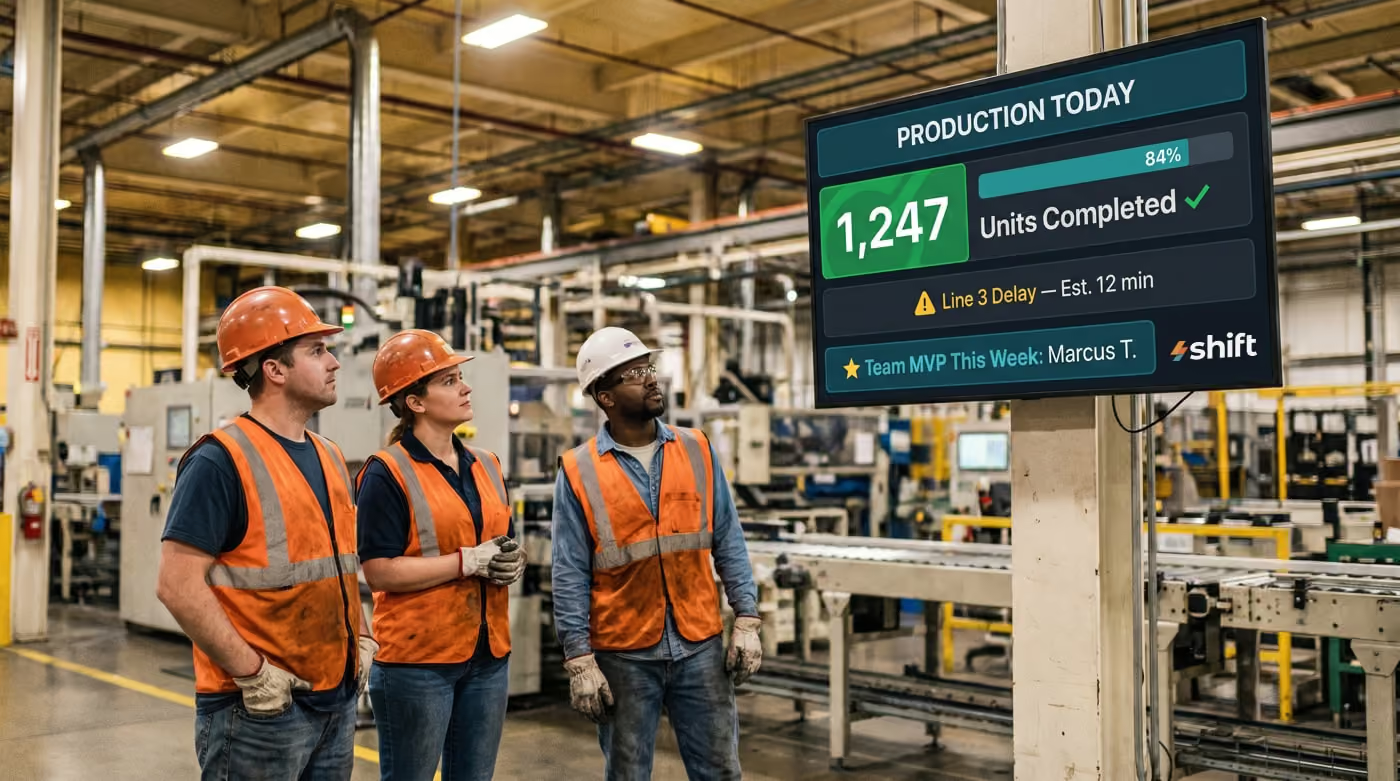
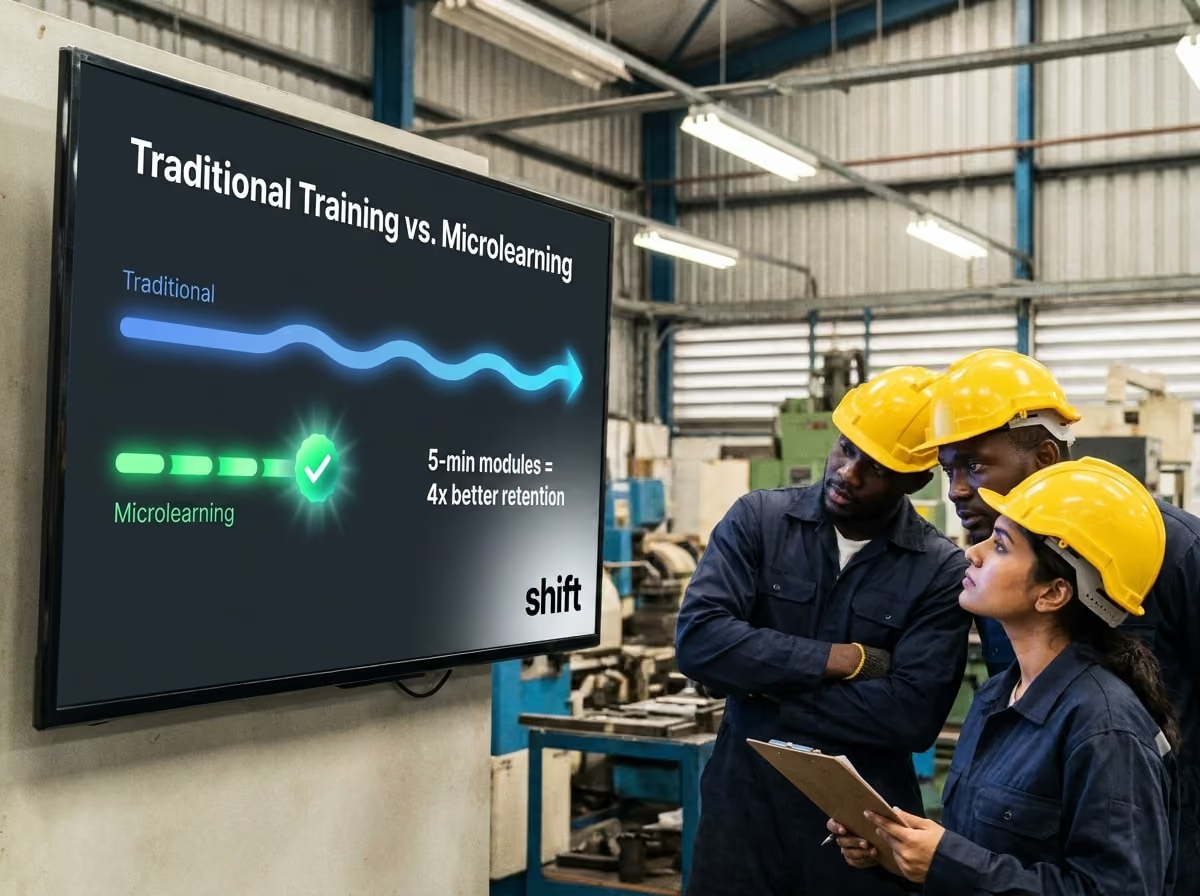
Digital signage is a connected network of display screens like televisions, tablets, phones, kiosks, and digitized menus, that provides information, advertising, merchandise, and/or training regarding a business, school, or another type of similar environment. When you’re in a manufacturing company, you may have digital displays up where workers are stationed, so they can be reminded of how to do x and y, give new updates regarding the timing of stations below them, and give updates on potential hiccups that will always occur even in the most well-run companies.
How can manufacturing companies best utilize digital signage?
Now that we have a solid basis discussing what digital signage is and why communication is so important in the manufacturing world, we can take a look at how best to utilize this tool to keep your teams informed and aligned.
Helps with Visualization
When it comes to being on the manufacturing floor, there’s going to be a lot of equipment, but not a lot of signage. Those working will know what to do, but sometimes it can be…a lot. So having visual reminders of how to do their specific section of the job, safety reminders, and metrics on how hard they’re working for that specific day with real-time updates is a great motivator for getting things done at a sufficient speed.
Helps with Performance
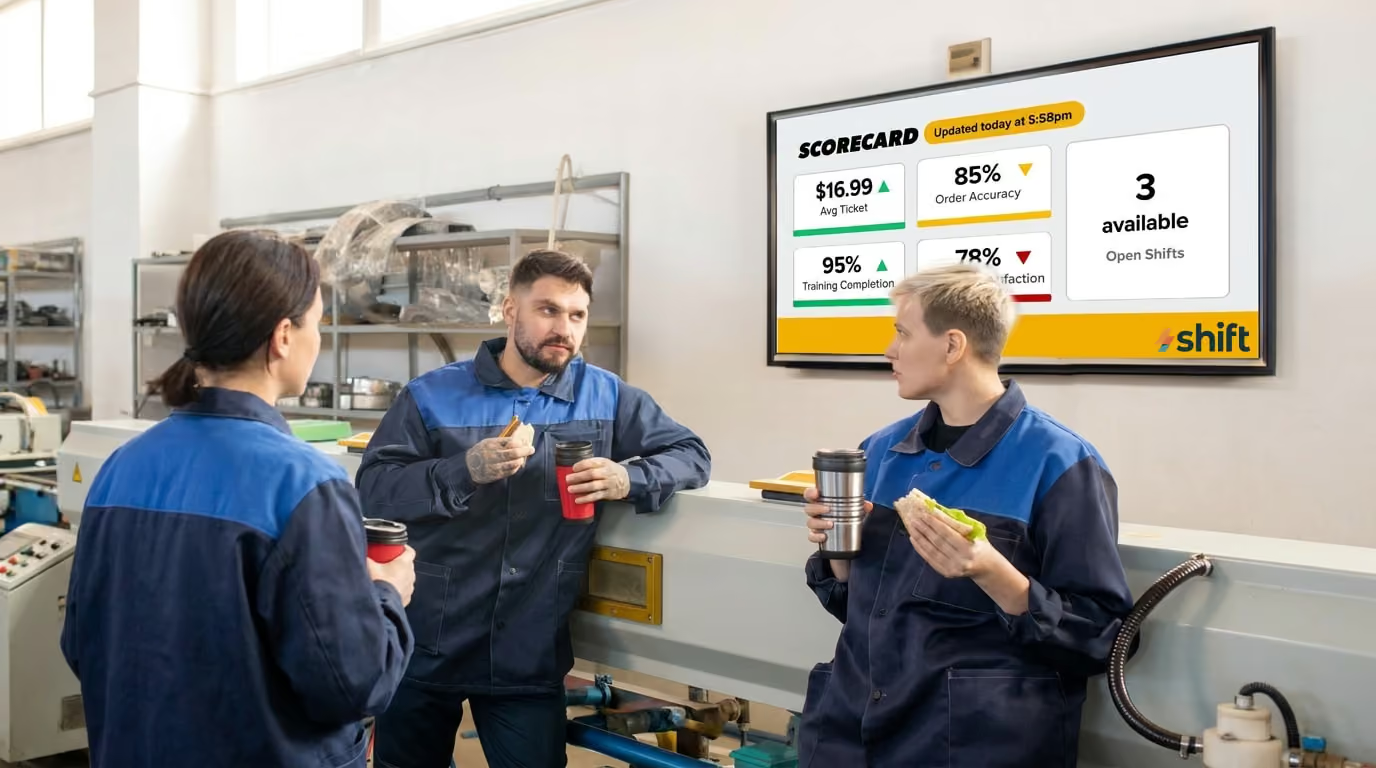
Speaking of metrics, when we’re working we sometimes don’t see a visual impact of all the hard work we’ve done on the day, week, or month; especially if you are somewhere on the manufacturing line. We only see what’s in front of us so by the time the finished product is done, the amount of work we’ve put in is out of sight out of mind. But having a digital display board totaling how many products in specific stations have been successfully passed through can be a huge boon to hardworking individuals. They get to see the progress they've made and it can be a fun way to set up future goals for incentives.
Helps with Hiccups
We mentioned very briefly above and we wanted to touch on that more here because it’s an important part to any manufacturing team. No machine works perfectly all the time, the same goes for the people behind the line, and this means no manufacturing company works perfectly all the time. When these “hiccups” happen, having real-time updates through digital signage to let other line workers know what’s been delayed can be a huge money saver.
They can work on things on their end and not wonder about any delays they may be experiencing in other areas of the work. Plus swift action to fix said issues can happen more quickly because with digital signage, the people on the first floor can get in contact with the people on the fourth without banking on them looking at their email or Slack messages all the time.
Helps with Inner Staff Communication
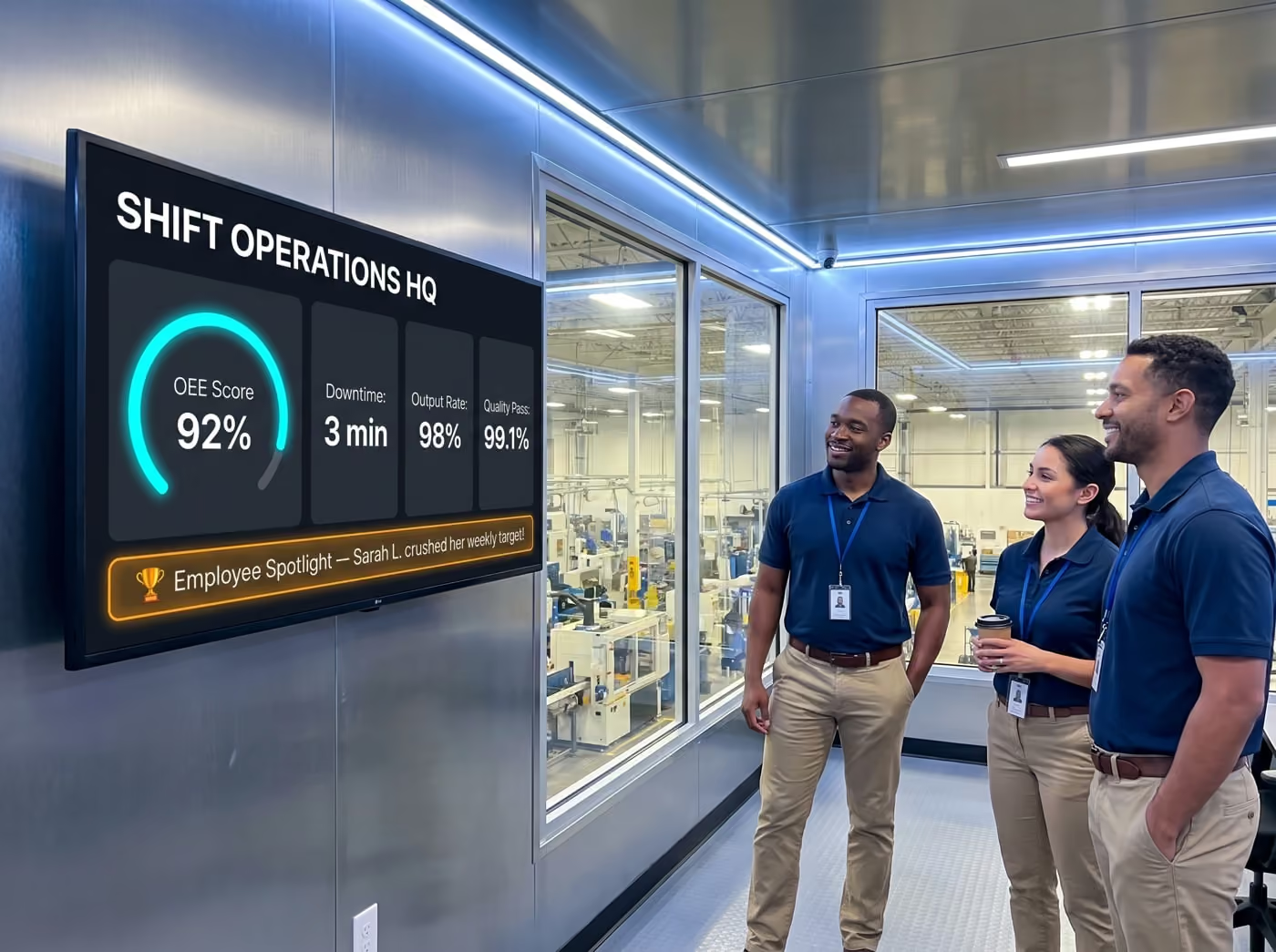
Managers often will have some things they need to relay to their team on a weekly basis, which means they need to get that message across quickly and effectively. No one wants to be wasting time running around telling floor supervisors or worse- printing out colorful paper signs to stick on doors and pillars. With digital signage they can send those updates to those who need to know accordingly without ever leaving their office. This way they can continue the work that needs to get done on their end with the knowledge that these notices have been communicated effectively. You can introduce a manufacturing KPIs dashboard so everyone can be kept up to date.
Helps with Employee Turnover
O.C. Tanner reports that “strong service award programs significantly benefit businesses by increasing employee retention by 2-4 years, improving employee experience (increasing feelings of belonging by 35%), and building trust in leadership, which applies to all generations, including Gen Z.”
And:
It’s been found that “61 percent of U.S. respondents believe their direct manager or supervisor has a significant impact on their job satisfaction or engagement.”
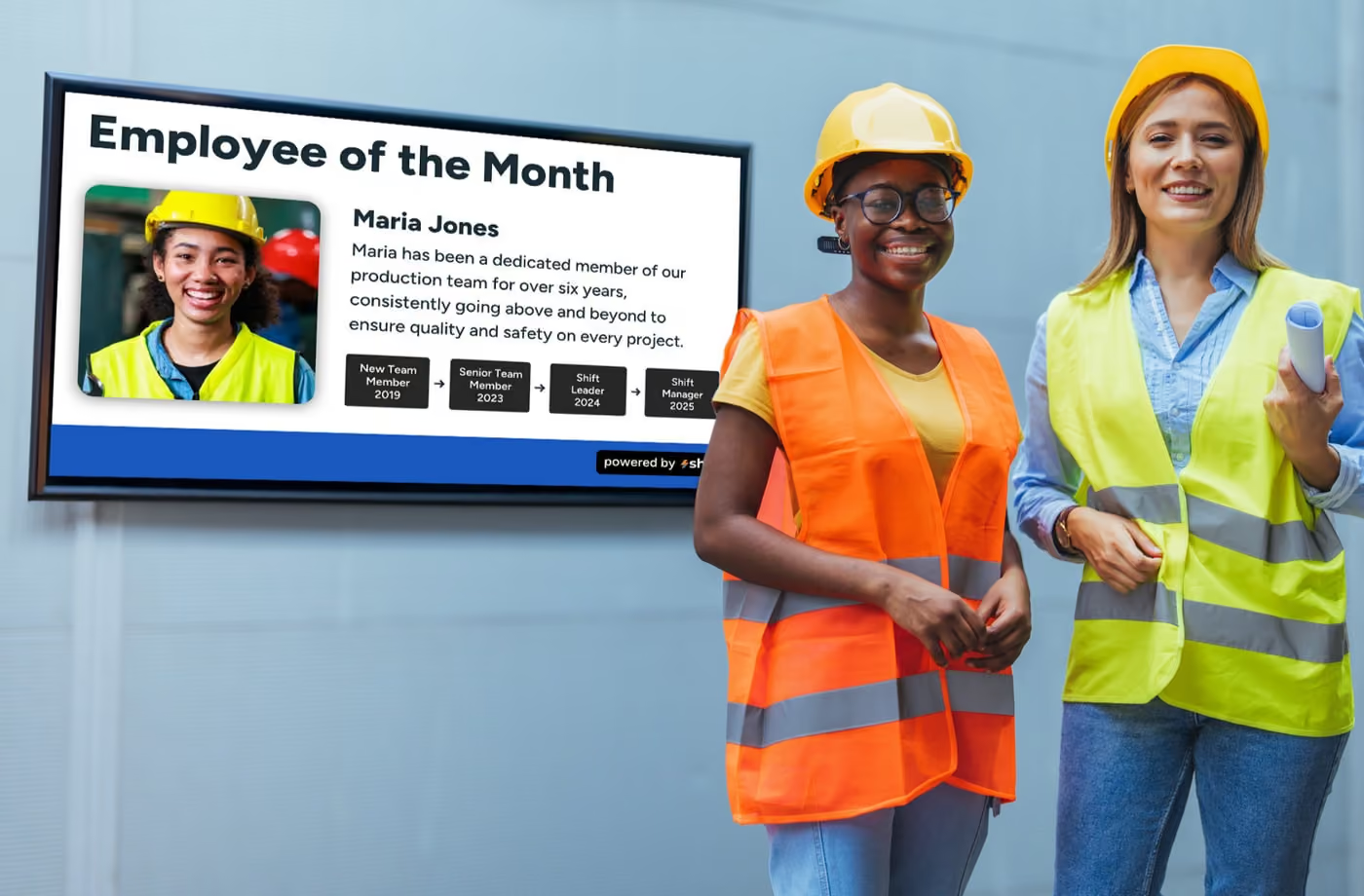
When you take these two statistics into account and the many others that are out there, it’s no wonder how many big businesses often find themselves with increased employee turnover when they aren’t taking the steps to show how much they value their workers. Through giving shoutouts, adding employee of the month programs, adding rewards (that are wanted like more PTO, parties, early clock outs, and swag that’s actually useful), and acknowledgements on accomplishments are all easy ways to ensure team members feel appreciated. This will leave them actually not minding coming to work and showing up with 100% effort.
But in order for all of these things to happen and for these digital displays to run efficiently, there needs to be a suitable program that can handle all of that data and input.
That’s where digital signage software comes in. Digital signage software (or DSS for short), is best described as the main menu of a video game. Think when you boot up a game and head into settings from the main menu, this is where you can control the graphic settings, the resolution, the subtitle size and color, and every other little detail of how your game runs. And in business terms, the DSS serves as the video games setting’s hub, but instead of controlling a game, you are controlling what the digital signage looks like and what’s on what screen in what section of the manufacturing line.
You have sleek, beautiful, and optimized internal digital displays that can let all of your employees know on every floor of the factory any pertinent information that may be needed to get the job done well.
How Shift Keeps Your Digital Signage Running Smoothly
Shift is known for bridging that gap between management and employees. It’s a solution to keeping manufacturing teams informed and aligned in the easiest way possible. No more confusing or missed work orders, no more updates that go unseen, or lack of employee satisfaction.
With Shift, we’re looking at:
- Seamless, Centralized Communication
- Automated Content Creation
- Visualized, Real-Time Data
- Easy, Scalable Deployment
- 11% increase in revenue
- 21% increase in operational profitability
- 25% improvement in employee retention
The Content Navigator tool that’s perfectly designed by Shift can efficiently update any digital signage screens to give updates on company news, spotlight employees, and give updates on current projects.
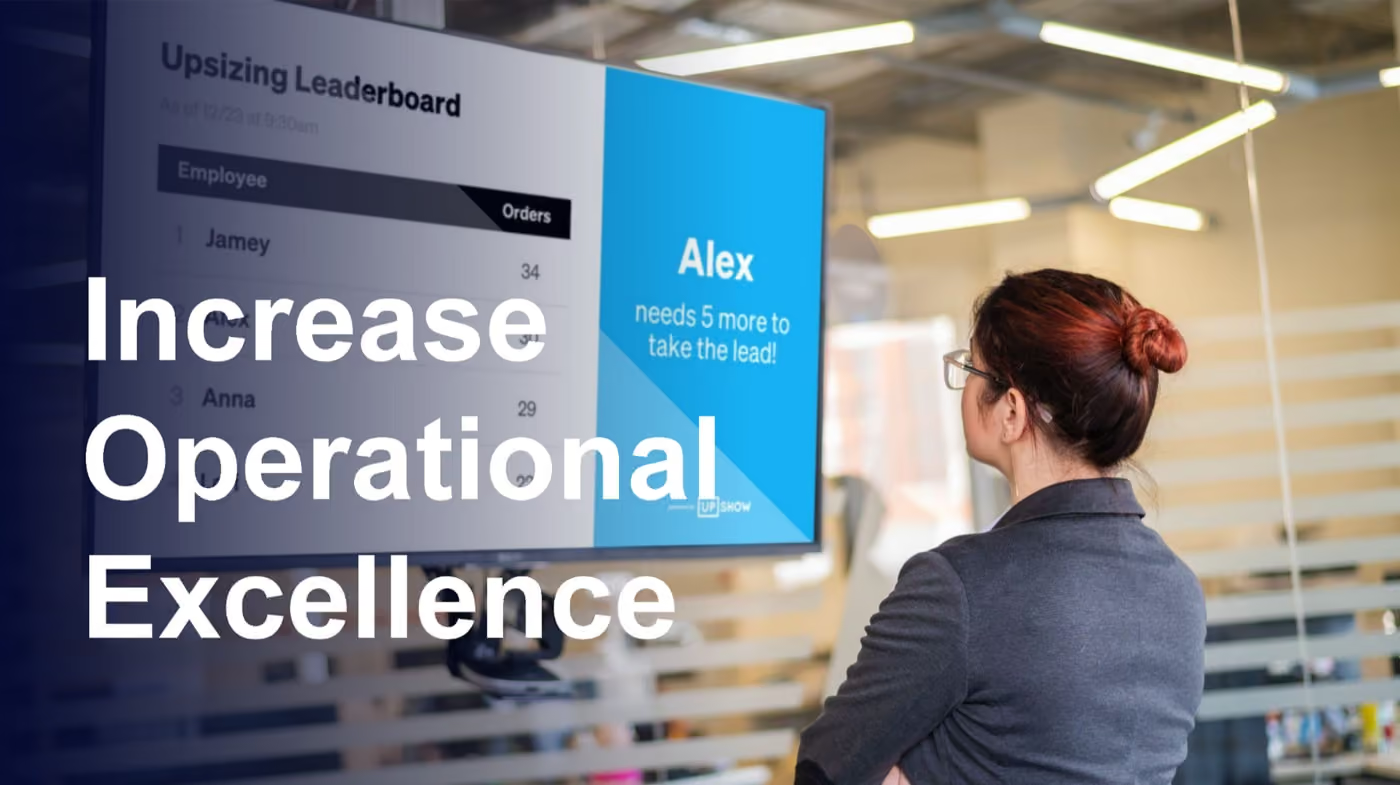
Through real-time communication of goals, notices, everyday messages, and employee recognition, Shift can make it so your manufacturing goals are always met no matter what.
Shift is always building new integrations and API connections so you can know that you’ll always have reliable resources to fall back on. Try a risk-free 60 day pilot and see how it works so you can introduce microlearning in HR in the most streamlined way possible.
Digital Signage and Manufacturing Teams
No matter how big or small your manufacturing team is, anyone can successfully use digital signage to improve their business practices. Keeping teams informed on any delays, last minute issues, and recording how well they're doing to hype them up throughout their workday are just some of the ways you can use this medium to keep them informed and aligned. Nothing says success like utilizing a program that can effectively cut down on unread email chains and running around the factory trying to find a specific someone, when all you have to do is tap a few clicks of a button to get the message to where it needs to go.







.avif)