Long over are the days of power points that make you hide your head on your desk the way you’d do in school when you were trying to get a quick nap in while the teacher was droning on and on about something you were less than interested in. Nowadays more and more companies have taken a page out of the “microlearning” book and have seen improvement in employee retention, understanding, work ethic, and more.
Microlearning itself isn’t necessarily a new concept by any means, but it isn’t actualized in nearly enough work spaces for it to be considered as the standard. Especially when there is so much evidence regarding its beneficiary properties amongst various businesses, the use of it has “increased 28 percentage points over the last eight years,” which means managers and corporate execs alike have clearly been paying attention to what works instead of sticking with what doesn’t.
But why is it so effective and what could be the benefits of microlearning in something as time-tedious as corporate training? We’re going to take a look at examples of microlearning, why it makes such a big difference, and its advantages when it comes to corporate training.
- What is Microlearning and Why is it so Effective?
- Why Traditional Corporate Training Needs to Change
- Benefits of Microlearning in Corporate Training
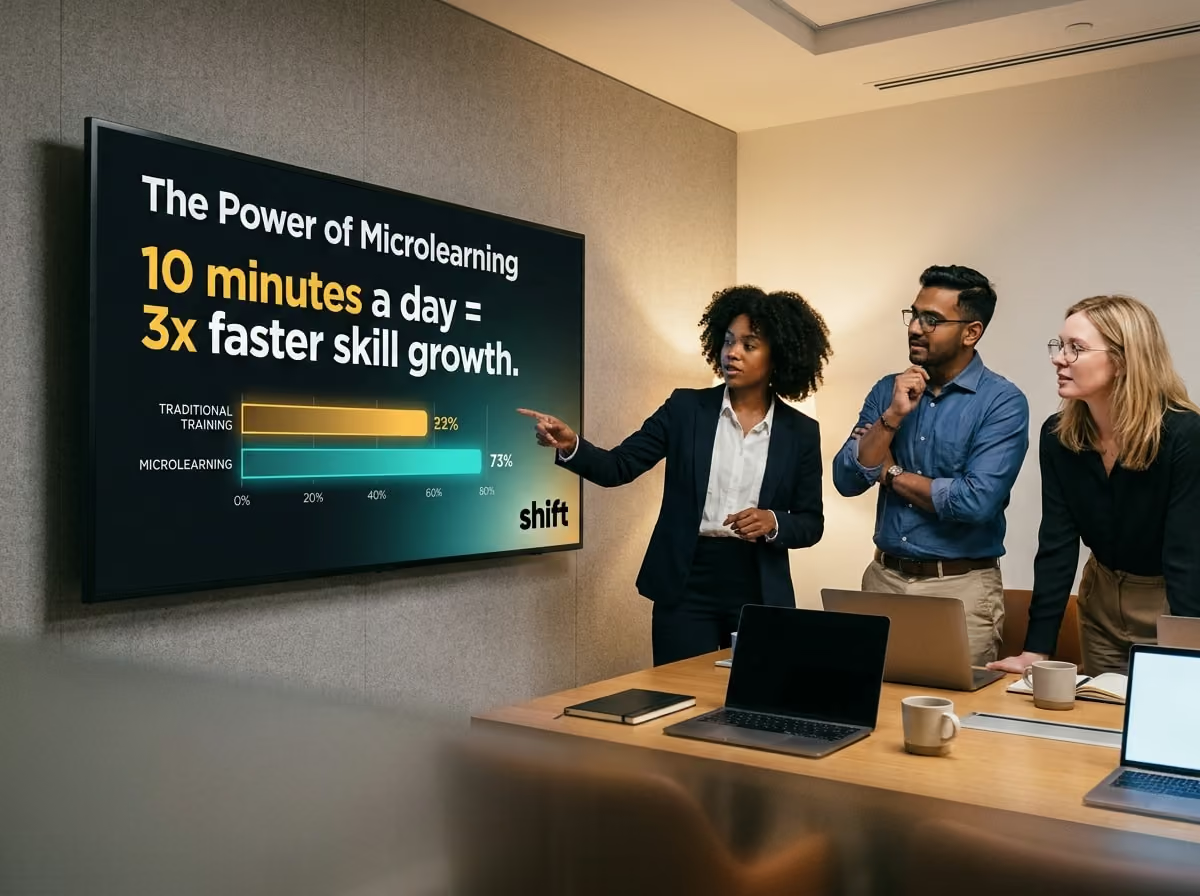
What is Microlearning and Why is it so Effective?
You might not know this, but microlearning doesn’t have a set definition as of right now. We, amongst others, have best summed it up as: small or pocket-sized bits of pertinent information delivered in an efficient way for people to understand the concept that’s being taught to them.
Examples of Microlearning:
- Short form videos with a quiz at the end. Anywhere between three to five minutes is a great range to be in and a quiz at the end will help the brain reiterate and retain all of the information they’ve just gotten.
- Words of the day or a short paragraph detailing relevant information to the task at hand. How many times have you clicked off an article or have your eyes glazed over reading something that is just. so. dense. Relaying important information semi-regularly in just a few sentences on a display board can be super beneficial.
- More infographics. Visual learners are more and more common, especially with the social media landscape we live in today. Having information conveyed in pictures, diagrams, and graphs can “infect” the brain and allow for more to soak in.
- Retentive learning practices. Remember learning vocabulary words for school and how the more you practiced memorizing the words the day leading up to the quiz, the better score you’d get? That goes the same in the office, taking those “vocab words” or small nuggets of information and re-learning them over the course of several days/weeks is very effective for completely memorizing them.
- Action-based learning. “Doing” is the new “seeing” and when we learn through hands-on practices, immediate action on the job, and seeing it played out in front of us in real time instead of detailed in a long report or on video, we can visualize our own selves doing it in their stead.
- Make up quizzes and games. Our younger audience will remember the days when teachers would bring out Kahoot! and some older viewers will get goosebumps at the name of Edutainment games. These things have stuck with us and bringing the concept of gamifying corporate training practices is a great way to build retention.
All of these are effective methods of microlearning and are taking over corporate spaces where that hasn’t been the norm.
No more 30+ slides of a powerpoint presentation or long winded corporate training videos that leave you feeling more overwhelmed and exhausted than a regular shift would entail. By the time you’d get to the end of those two examples you would forget what the first few slides said almost certainly. That’s just the way our brains work, packing in as much information as possible into an hour or two in the afternoon and being expected to take all of that into your various tasks throughout the day isn’t realistic, especially when we’ve seen so much evidence to the contrary.
A study in Germany showed that “80% of employees who used an online microlearning environment felt they were more accurate at performing their tasks, and 78% said they were more confident about completing tasks correctly.”
And a key finding from Software Advice shows that almost “60% of employees would be more likely to use their company’s online learning tools if the content was broken up into multiple, shorter lessons.” Which makes sense considering a lot of workers feel they can’t get everything they need to do done in a day anyway; and just the thought of having to sit and watch a corporate training video that’s clocking in at over an hour can greatly impact their memory as all they’re thinking about is the work at their desk.

Why Traditional Corporate Training Needs to Change
We’re not saying corporate training as a whole needs to go away, we know how important it is as it keeps employees up-to-date on company trends, provides relevant information regarding sales and/or output, and hones in on your job-specific skills to further improve the health of the business.
But the way we go about it needs a makeover and desperately.
A Look Into the Forgetting Curve
You might have heard of the “forgetting curve” but have not delved into what it actually is and how it affects both yourself and others like your employees.
You know when you walk into a room knowing you went in there with purpose but you can’t remember what it was that needed to be doing? It isn’t simply just because you had a momentary lapse of memory, it is a psychological phenomenon known as the forgetting curve. A drop off of information in the brain if it isn’t actively retained.
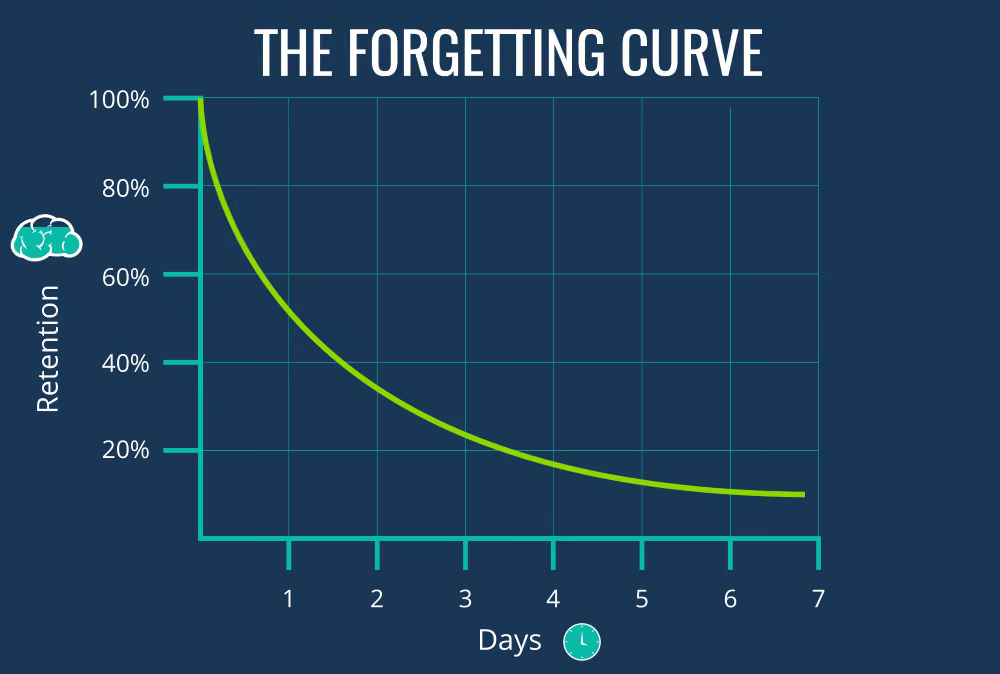
Back in 1885, German psychologist Hermann Ebbinghaus was the first to create this model showcasing how, without proper retention methods, we will forget the information we’ve learned in stages quantified by percentages over the course of a week.
This sentiment has held up over time and with a century's worth of data to back it up, it only makes sense that we continue to look towards it for guidance on how to properly saturate our minds with relevant information training.
Think about learning a new concept or skill on a Monday afternoon, by the time it reaches Friday, you will more than likely be affected by the forgetting curve and lose that previous info. And that is the way traditional corporate training has been done, we get a seminar, presentation, or workshop for one day, normally taking up anywhere between an hour or a whole afternoon, and then we move on; going back to our daily tasks, more than likely forgetting everything we just heard.
But when you have small moments of learning, microlearning to be clear, we actually learn more, our brains digest the information when it’s fueled in ways we like, instead of ways we don’t.
Putting dedicated resources into smaller moments of skill-based experiences will benefit not just the employees, but the production of the company itself.
Benefits of Microlearning in Corporate Training
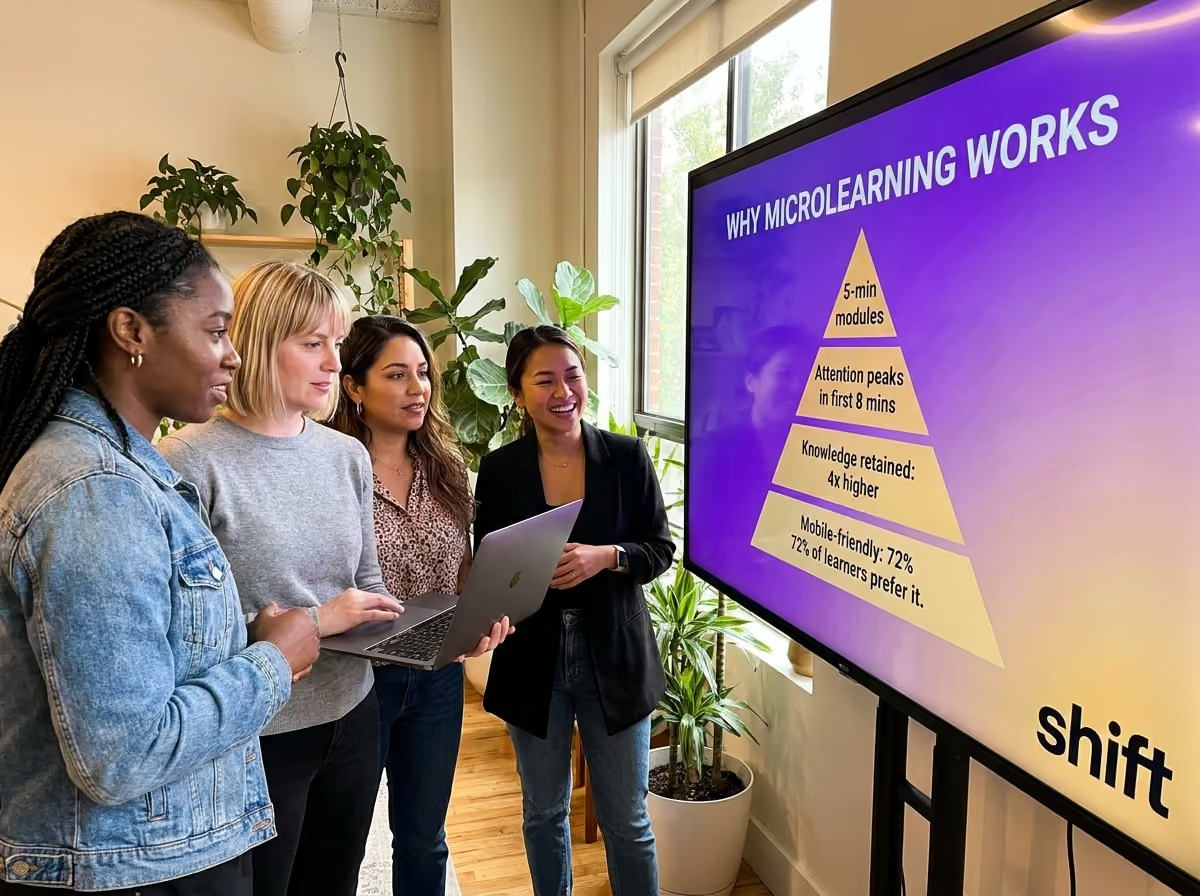
Through breaking down what microlearning is and how traditional corporate training is slowly but surely going out of style, we have already begun to see the benefits of the practice in corporate training scenarios. But we have a few more that we think you’d like to see so you can start to change the way you do training in the future.
It’s Cost-Effective
We’ve highlighted how good microlearning is for the employees, but how would it benefit the company itself? Think of the amount of resources you use to create this big company videos, presentations, and the time it takes away from the office. Instead, creating these small videos, quick quizzes, and the like will take away from the time and money spent doing these big things.
It’s Flexible
Going in line with taking time away from the job, keeping things small and flexible will allow for more hands-on opportunities. Less time behind a desk staring unseeing at a screen and more time in the work they have signed up for. You can take microlearning activities on the road, and what we mean by that is creating these moments on the job itself rather than away from it.
It’s Statistically Beneficial
We love cold hard facts, especially facts that prove towards the right goal(s), and we’ve learned through AWorld that “95% of L&D leaders who consider microlearning fundamental for training effectiveness this year.” And “Short courses reach an 80% completion rate, compared to a meager 20% for long modules.” We’ve seen that through these shorter learning experiences the mood of candidates increases, leading to a more positive work-flow.
It Boosts Retention
We’ve already teased and talked about microlearning’s technique in retention building, but it is a benefit worth repeating at length because nothing slows down business than slow business. Not understanding the concepts of what needs to be learned in order to do the job correctly and reinforcing the same learning practices is like beating a dead horse, ineffective and leads us nowhere. Creating these small on-the-go learning opportunities make it so there’s time to correctly identify any mistakes or improve areas of understanding.
It’s a Faster Practice to Deliver
When you’re creating these microlearning modules you don’t have to dedicate too many resources to it which means if business goals change or things need to be adjusted after a period of trial and error, you can remake the units to align better with what your company needs rather than redrafting and entirely new corporate video or presentation.
Microlearning with Shift
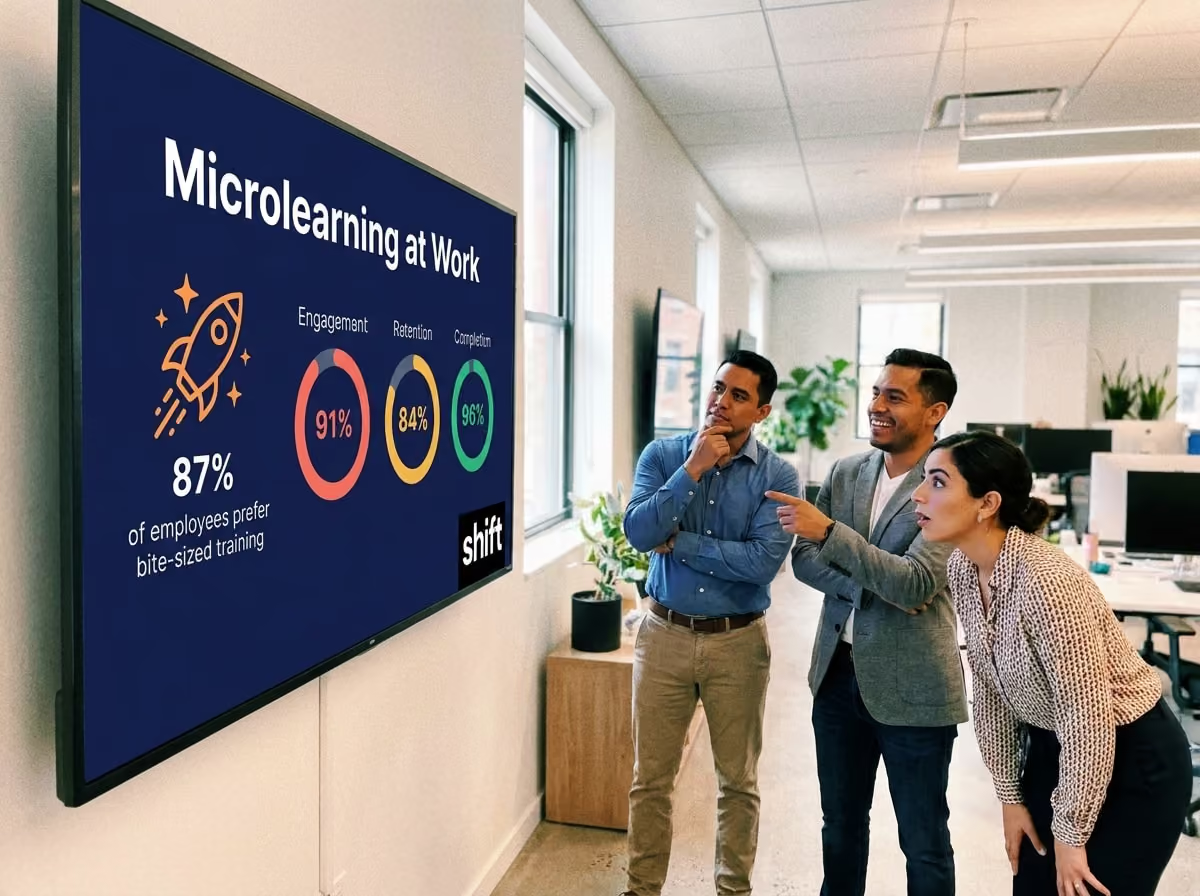
To get away from the forgetting curve, and create opportunities for repeated microlearning moments for employees both new and old, you have to have a reliable system that can keep things exciting.
That’s where Shift comes in.
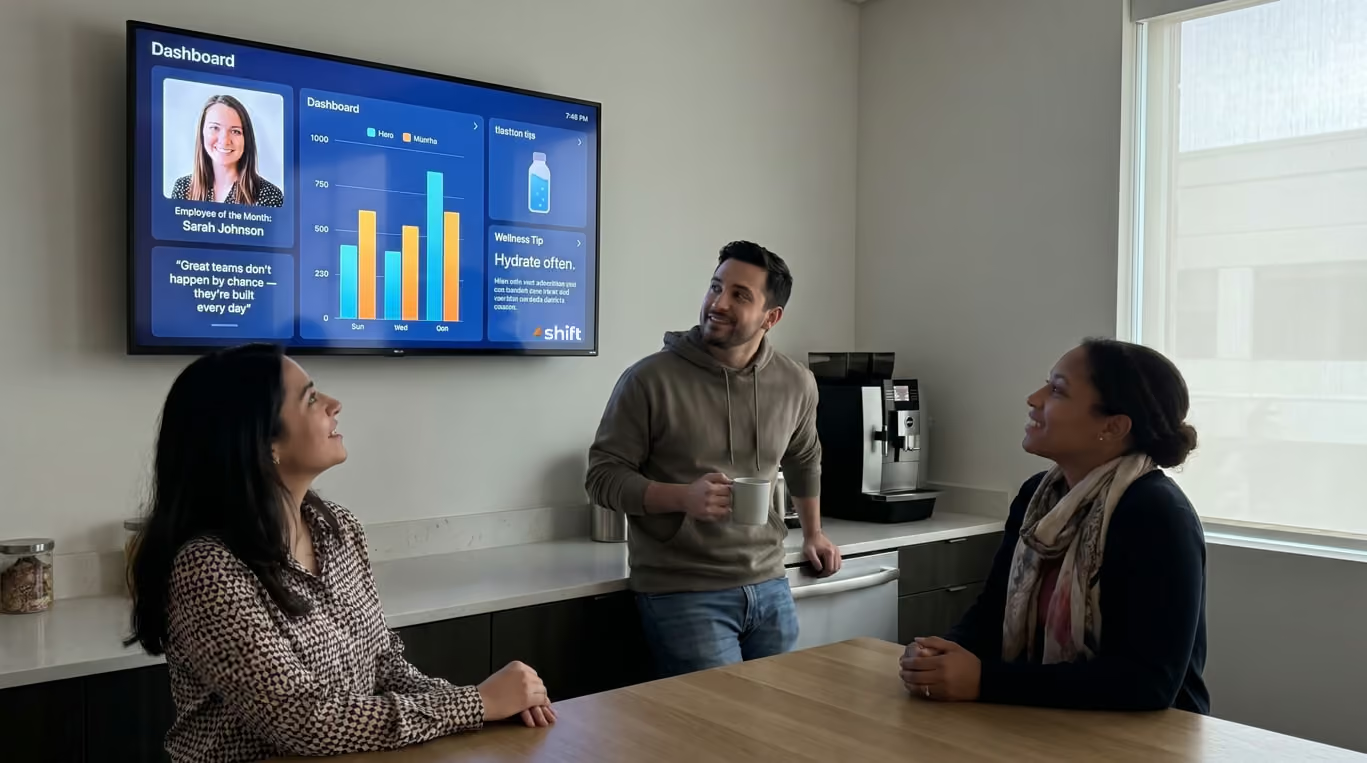
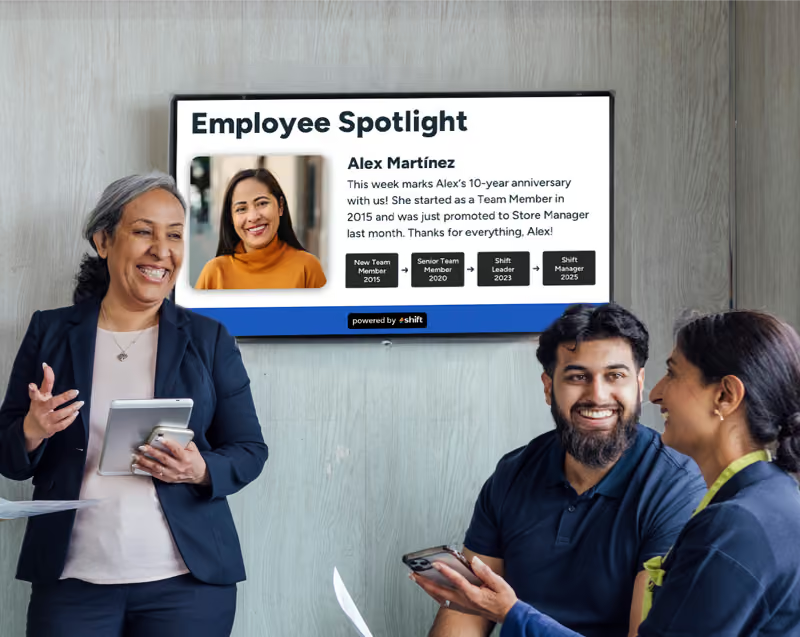
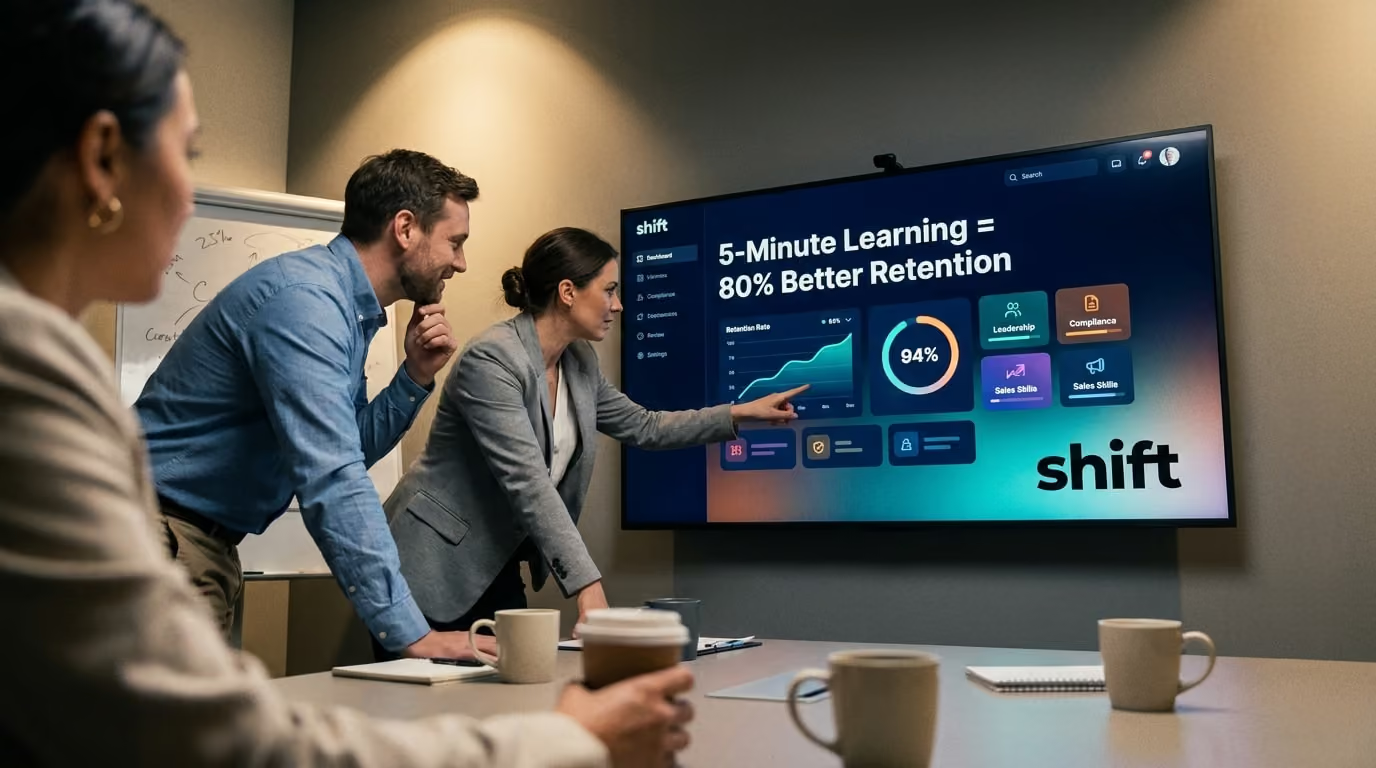
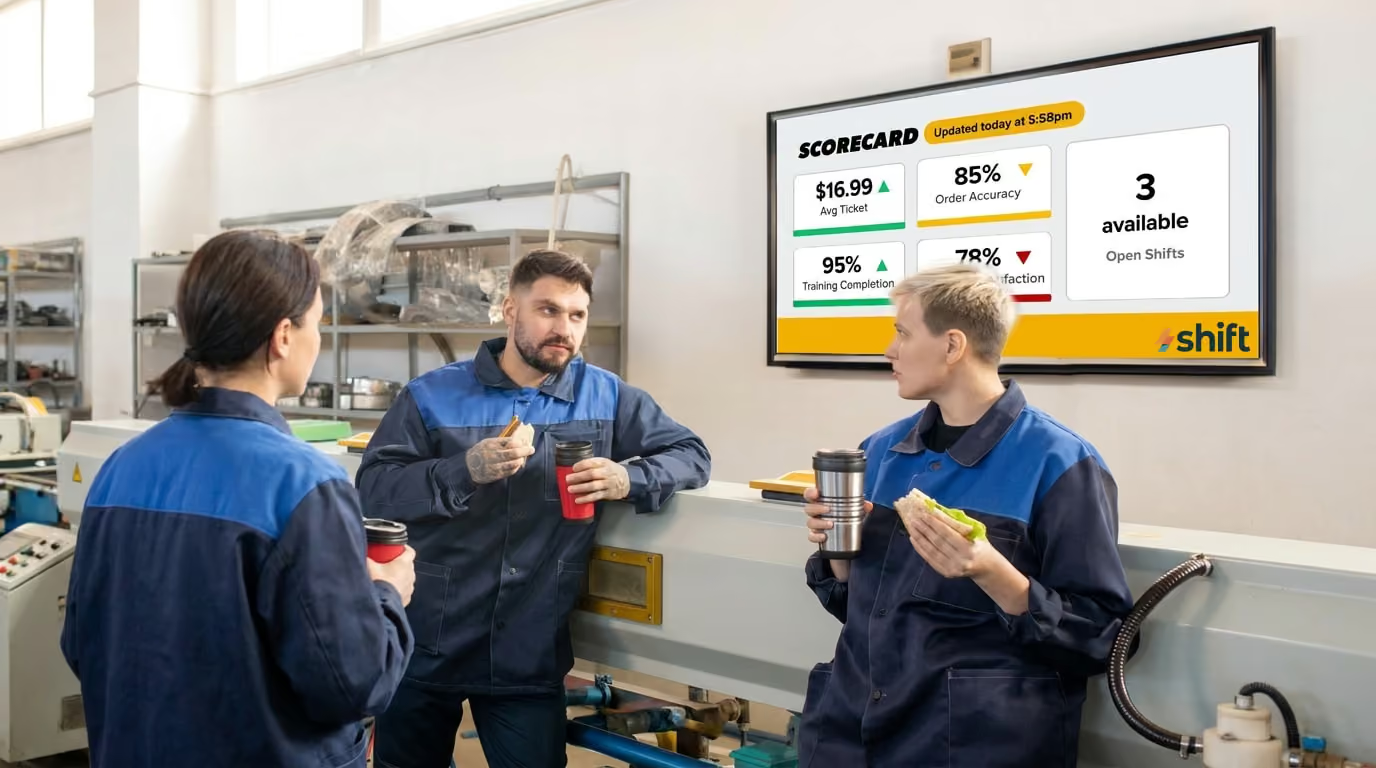
Shift is a platform for digital signage that can be placed in a myriad of employee spaces like break rooms, teacher lounges, back of house (BOH) areas in a restaurant, and more. Here you can set up your microlearning modules to play when no important communication or requests need to happen. Have a few sentences reminding employees of skills they need to bring to their work or make a little quiz that flashes up on the screen so they can remember important lessons of the business.
Expect:
- Seamless, Centralized Communication
- Automated Content Creation
- Visualized, Real-Time Data
- Easy, Scalable Deployment
Reinforce the ideals you’ve set up and see how having consistent reminders in these forms of microlearning can benefit all of your corporate training needs.






.avif)