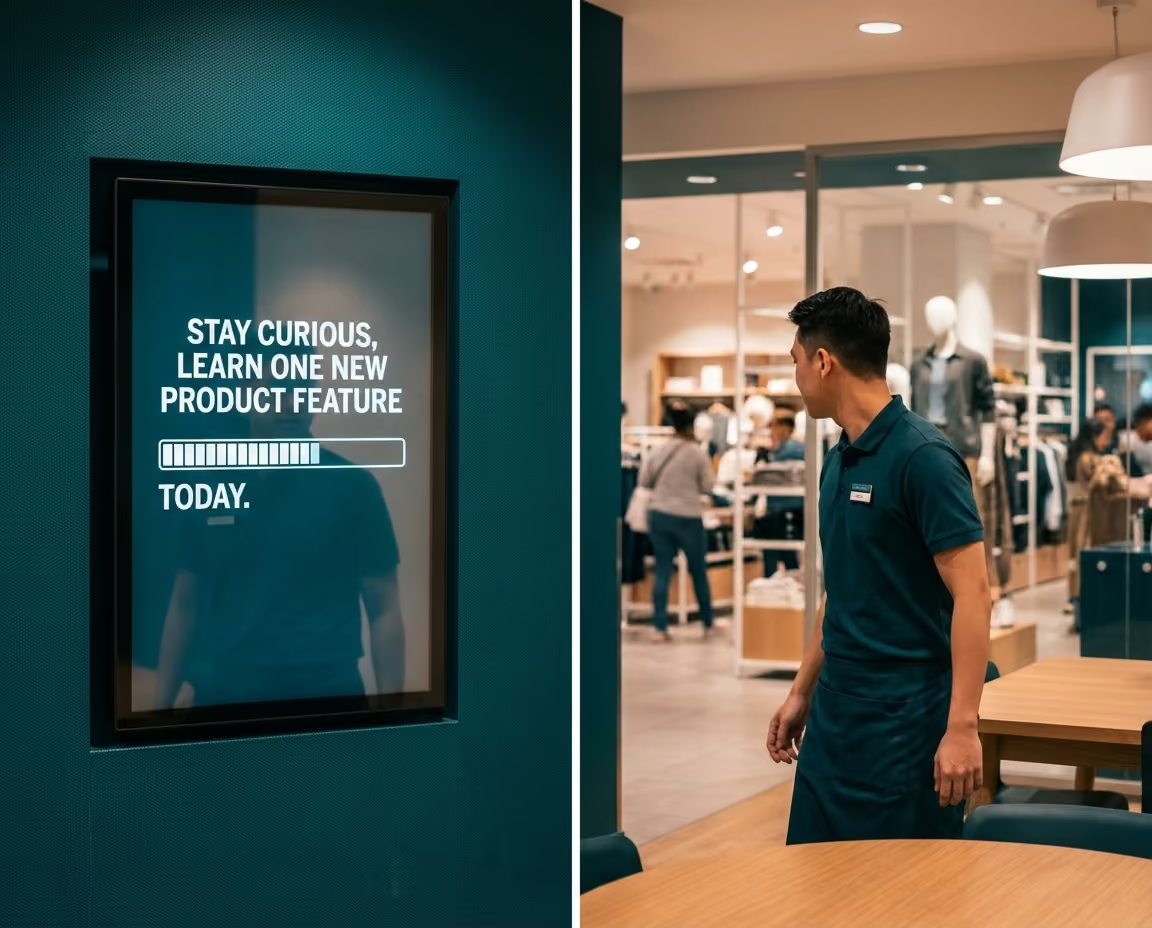
Hard to believe 2026 is already rounding the first corner. But here we are, and one theme is showing up louder than almost anything else in conversations with operators, HR leaders, and franchise owners: the desire to deliver better training for frontline teams.
Whether the goal is building employee confidence, creating stronger connections to the brand, or hitting harder KPIs like OSAT scores and accuracy metrics — improving team training is top of mind. And it makes sense. Turnover is expensive. Inconsistent service is expensive. A team that doesn't know the product or the process? Also expensive.
Benjamin Franklin said it best: "An investment in knowledge pays the best interest."
That's as true today as it was in the 18th century. The problem is, most frontline teams never fully cash in on that investment — not because leadership doesn't care, but because of the way training gets delivered.
The way we train is the problem
Think about the last time your team went through formal training. It was probably an event: scheduled in advance, delivered all at once in a classroom or back office, separate from the actual flow of work. Maybe there were slides. Maybe a workbook. Maybe a quiz at the end.
Well-intentioned? Absolutely. Effective? Less so.
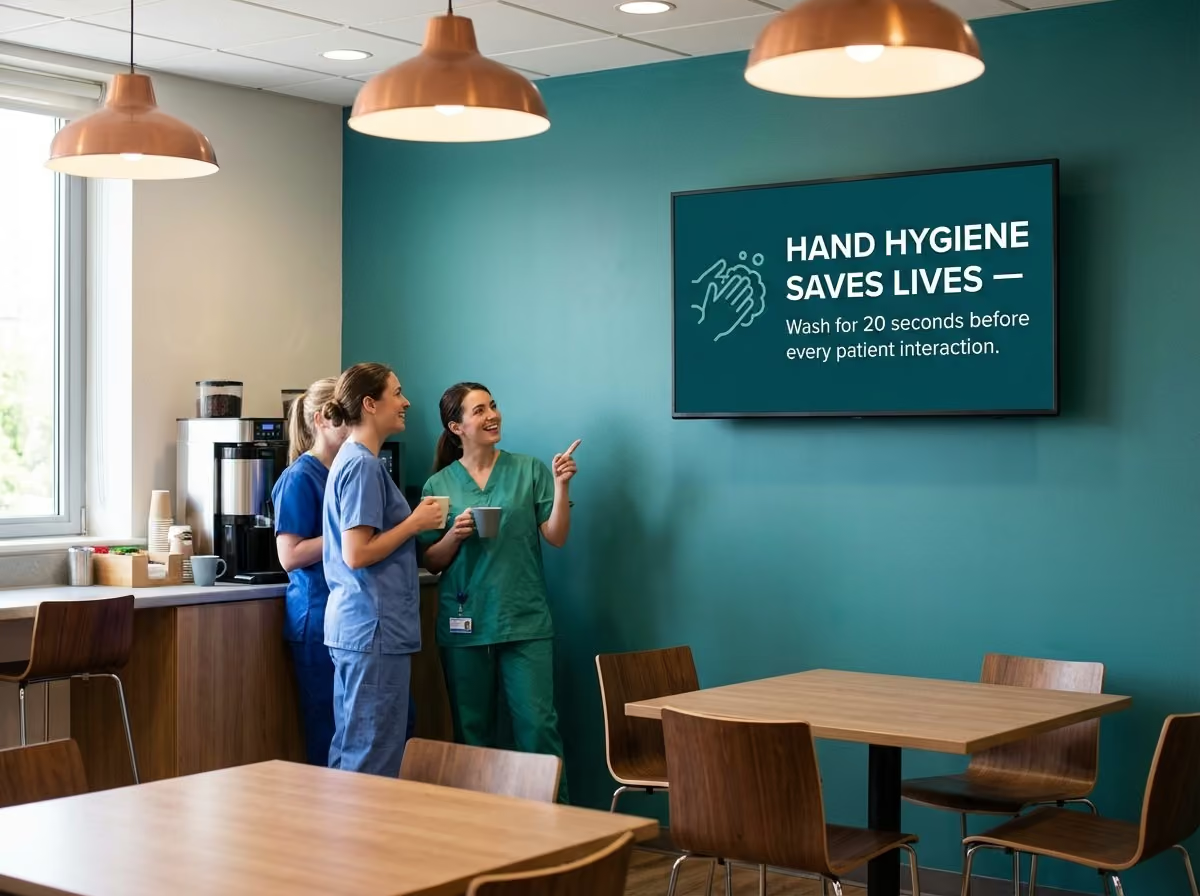
Here's the science: the brain retains only about 30% of information when it's delivered in large, infrequent doses. This is sometimes called the "forgetting curve" — the documented pattern of how quickly knowledge fades when it isn't reinforced. German psychologist Hermann Ebbinghaus first described this phenomenon in the 1880s, and over a century of research has only confirmed it.
So when a training event ends on a Tuesday afternoon and a team member opens for a shift on Wednesday morning — most of what they learned is already slipping. Not because they weren't paying attention. Because that's just how memory works.
What if learning didn't feel separate from the job?
That's the question worth sitting with. Not "how do we make training longer?" or "how do we make employees study harder?" — but what if the knowledge came to them, consistently, in small amounts, right in the natural flow of their day?
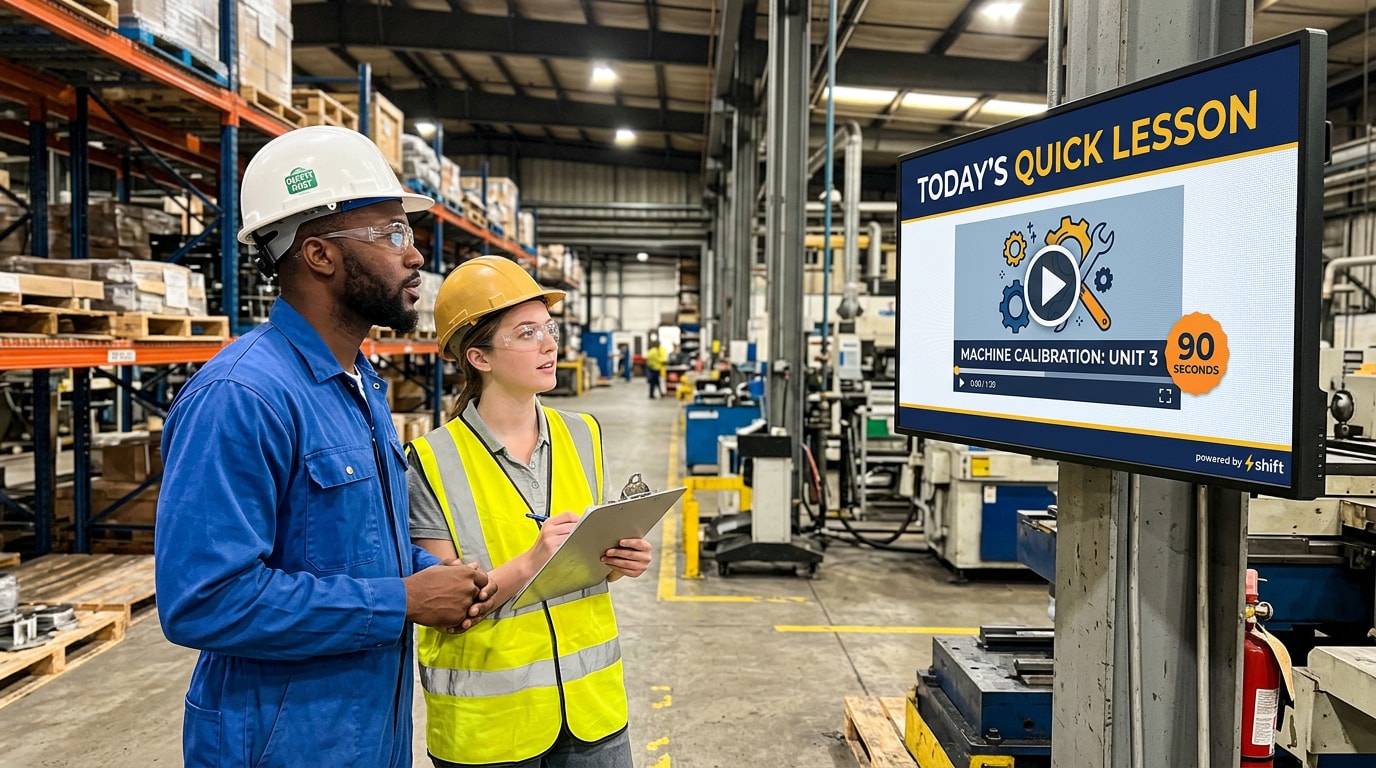
This is the core idea behind microlearning. Instead of loading up a team member with hours of content once a quarter, you deliver short, relevant, bite-sized information throughout the workday. Sixty seconds here. A quick tip before a shift. A product update delivered during a natural pause in operations.
Research backs this up. Studies have shown that microlearning can improve knowledge retention by up to 80% compared to traditional training — precisely because reinforcement happens repeatedly over time instead of all at once.
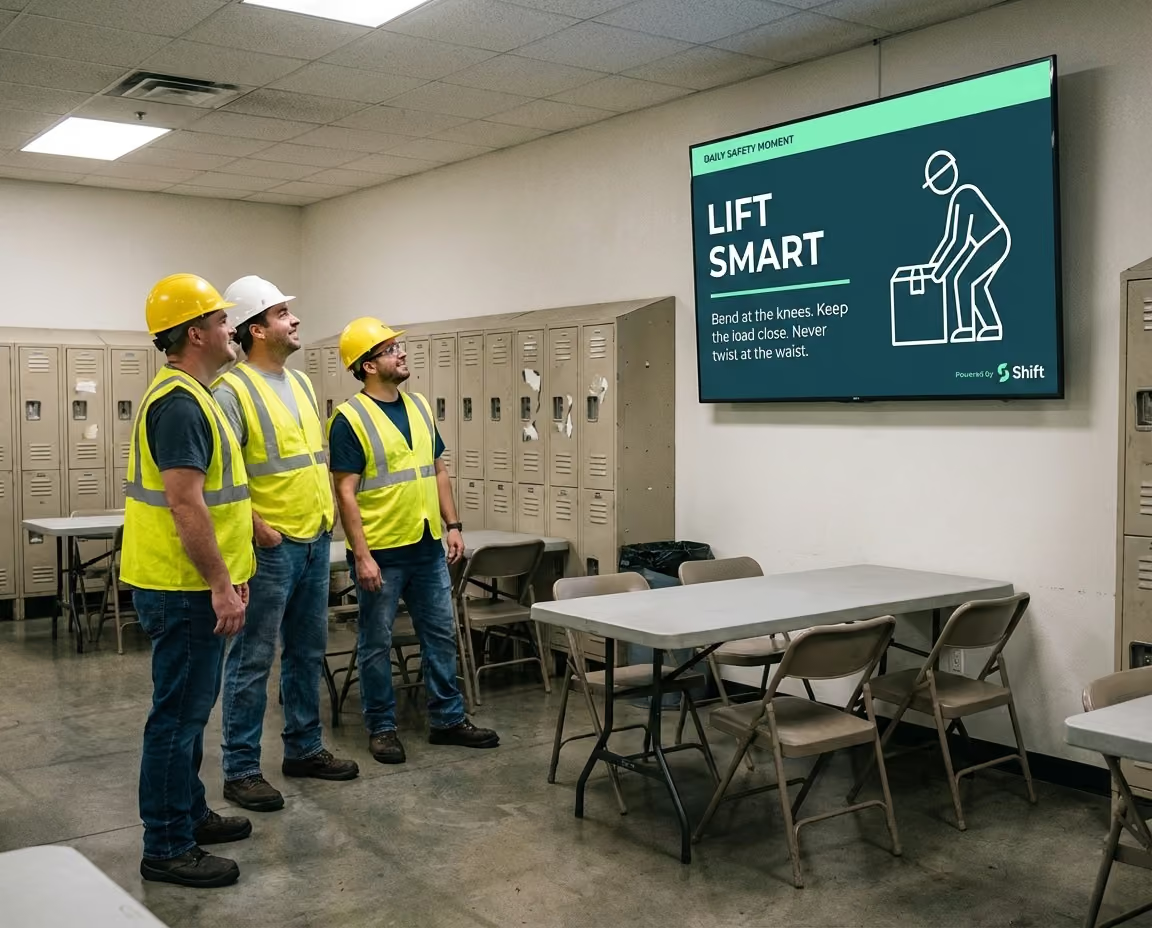
At Shift, this is exactly what we're built around. Our platform uses digital signage to deliver microlearning in short, contextual moments throughout the day — flattening the forgetting curve and keeping information top of mind where it matters most: on the floor.
The difference between traditional training and microlearning
It's not about replacing formal training. It's about making it stick. Here's how the two approaches compare:
The point isn't that formal training is bad. It's foundational for good reason. The point is that without reinforcement, that investment erodes faster than most leaders realize.
What actually changes when reinforcement is consistent
When employees receive relevant, digestible information consistently, three things tend to happen — and they're not small things.
First, they feel more confident in their roles. Knowing the product, the process, and the "why" behind the work reduces the anxiety of uncertainty. A confident employee serves better, sells better, and stays longer.
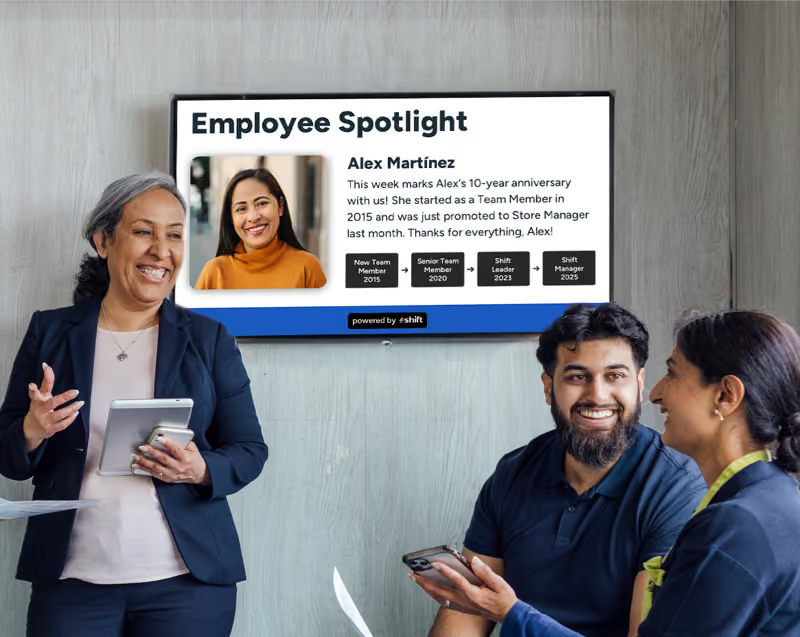
Second, they feel more connected to the organization. When a company invests in keeping employees informed — not just during onboarding, but every day — it sends a message that the team matters. That's culture in action.
Third, they become more engaged with their work. Engagement isn't a mystery: it follows investment. When people feel equipped and informed, they show up differently.
According to Gallup's research on employee engagement, highly engaged teams show significantly lower turnover, higher customer ratings, and better profitability compared to disengaged ones. The investment in knowledge doesn't just pay in learning — it pays across the entire operation.
Knowledge doesn't have to slow you down
One of the most common objections we hear: "We don't have time to add more training to what our team already juggles."
It's a fair concern. Frontline teams are busy. Pulling people off the floor for a training session has a real cost. And asking employees to complete online modules after their shift isn't a recipe for engagement — it's a recipe for resentment.
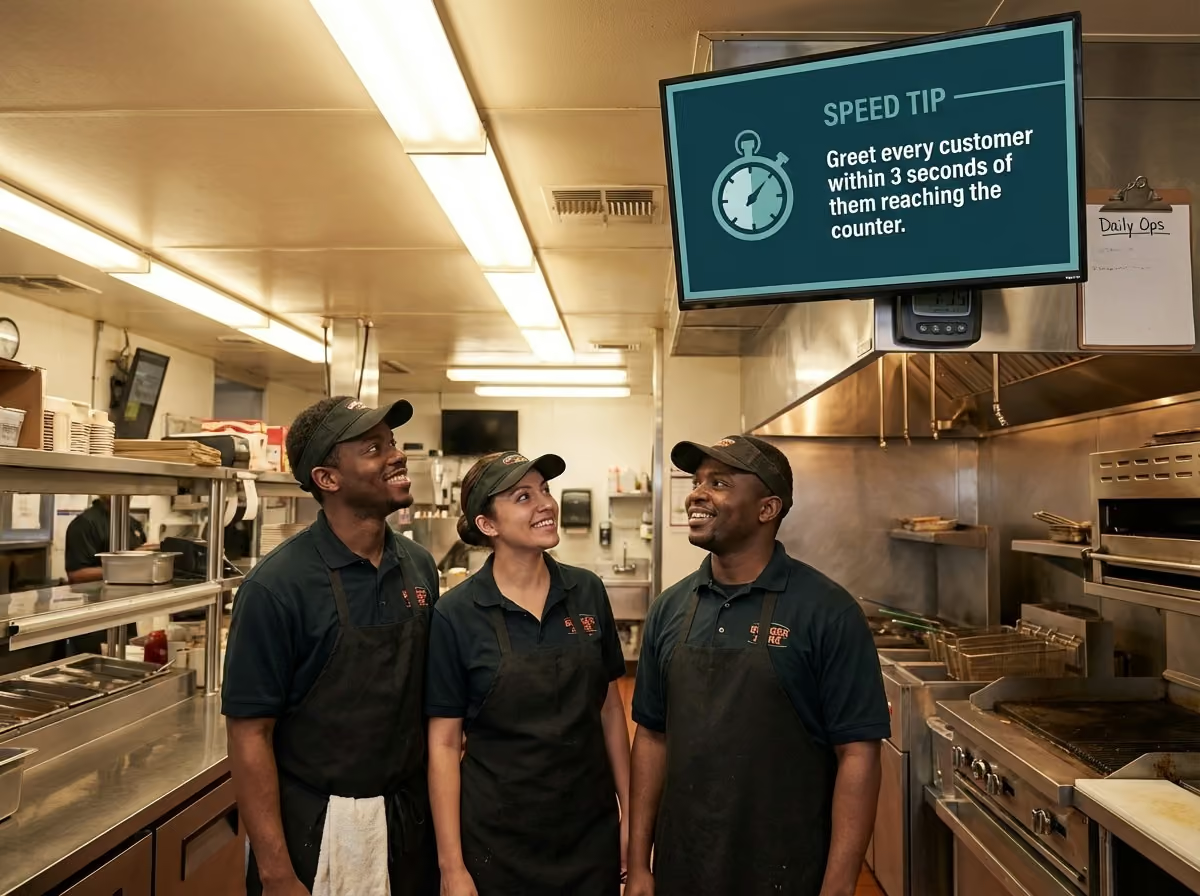
But microlearning delivered through the digital signage that's already running in your environment doesn't ask anything extra of your team. It meets them where they are — at the counter, in the back of house, before a shift, during a lull — and delivers something useful in under a minute. No pull. No added friction. Just knowledge, woven into the workday.
The best training strategies aren't the biggest or the most expensive. They're the ones that reinforce, consistently, what matters most — over time, in context, in a way employees can actually absorb and apply.
If you're thinking about how to get more out of your team's training investment in 2026, the answer probably isn't more training events. It's smarter reinforcement between them.