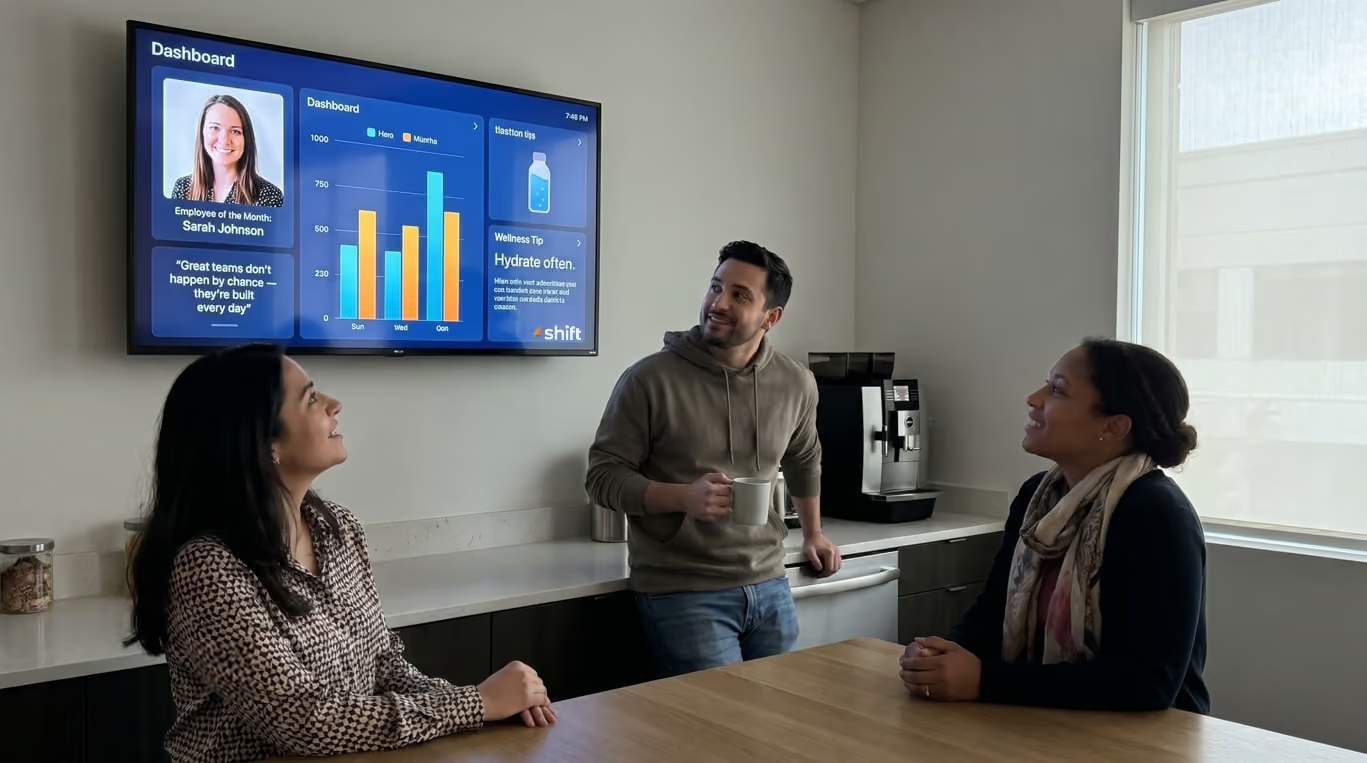
Walk into any thriving workplace and you'll notice something beyond the open floor plans and standing desks — the walls, windows, and hallways are doing real work.
Internal signage is one of the most underestimated tools in a company's arsenal. Done right, it reinforces culture, guides wayfinding, boosts morale, and turns blank walls into brand moments. Done wrong (or not done at all), it leaves employees navigating a forgettable, disconnected environment.
Whether you're redesigning your office, welcoming a wave of new hires, or simply wondering why your space feels a little flat, the answer might be simpler than you think: it's time to rethink what's on your walls. Here are the internal signage plans that will actually make a difference, including ideas that will:
- Help employees feel more recognized
- Will upgrade your workspace to the next level
- Options that are actually useful (and helpful) to all levels of employees
Why internal signage is so important for workplaces
Digital signage is non-negotiable for workplaces that foster excellent relations with employees
It Reinforces Company Culture Every Single Day
Culture is easy to talk about in onboarding presentations and all-hands meetings, but it is much harder to make it feel real and lived-in. Internal signage does exactly that. When your values, mission, and personality are woven into the physical space — on walls, in corridors, in break rooms — they stop being words on a website and start becoming part of how people think, communicate, and operate.
A company that says it values innovation but has bare, uninspiring walls is sending a contradictory message. One that displays its story, celebrates its people, and brings its purpose to life visually is reinforcing culture at every turn. Over time, that consistency has a compounding effect on how employees understand and embody what the organization stands for.
It Improves Navigation and Reduces Daily Friction
In larger offices, poor wayfinding is a genuine productivity drain. Employees lose time searching for meeting rooms, visitors wander lost through corridors, and new starters spend their first weeks feeling disoriented. Clear, well-placed directional signage eliminates that friction entirely.
Beyond the practical time savings, good wayfinding also reduces the cognitive load of the workday. When people can move through a space intuitively, they arrive at their destinations less frazzled and more focused. It sounds minor, but multiply those small moments of ease across hundreds of employees every day and the cumulative benefit is significant.
It Shapes the Employee Experience From Day One
The physical environment makes an immediate impression, and that impression sticks. For a new hire walking into an office on their first day, the space communicates volumes about the company before a single conversation takes place. Thoughtful, well-designed signage signals pride, intentionality, and a genuine investment in the people who work there.
This matters beyond onboarding too. Employees who feel that their workplace has been considered and curated are more likely to feel valued themselves. The environment becomes an extension of the employee value proposition — a daily, tangible reminder that the organization takes its culture and its people seriously.
It Boosts Morale, Motivation, and Belonging
Walls that celebrate team milestones, display employee spotlights, or carry motivational messaging give people something to connect with on a human level. They transform a functional workspace into a community space — somewhere people feel genuinely part of something, not just passing through to complete tasks.
This is especially important in larger organizations where employees can easily feel like a small cog in a big machine. Seeing their team's achievements recognized, their colleagues celebrated, or their company's journey told through the space around them fosters a sense of pride and belonging that no email or Slack message can replicate. It is the difference between a place people go to work and a place people actually want to be.
It Supports Productivity and Focus
Strategic signage can do more than inspire — it can actively structure how people use a space. Quiet zone indicators, collaboration area labels, and focus room signage help employees self-select the right environment for the task at hand without relying on unwritten rules or guesswork. When people understand how a space is intended to be used, they use it better, and the whole office functions more smoothly as a result.
It Communicates Safety and Compliance Clearly
Beyond motivation and culture, internal signage plays a critical practical and legal role. Health and safety information, emergency exit routes, fire assembly points, hygiene reminders, and regulatory notices all need to be communicated clearly, consistently, and in a way that employees actually absorb. Poorly designed or neglected safety signage is not just an aesthetic problem — it is a liability.
Good safety signage does not have to be an eyesore either. With thoughtful design, compliance messaging can be integrated into the broader visual language of a workplace rather than looking like an afterthought stuck to a wall with tape.
10 internal signage ideas that are guaranteed to upgrade your space
Need some help with internal signage ideas? These are 10 options you can implement today.

1. Branded Mission and Values Walls
Turn your company's mission statement and core values into a visual centrepiece rather than a footnote in the employee handbook. A dedicated feature wall — in your reception area, main corridor, or central meeting space — that brings these to life through typography, colour, and design creates an immediate cultural anchor. When done well, it is the first thing employees and visitors see and the last thing they forget. The key is to make it feel authentic to your brand rather than generic. Avoid corporate clichés and instead express your values in the language and visual style that actually reflects who you are.
2. Wayfinding and Directional Signage
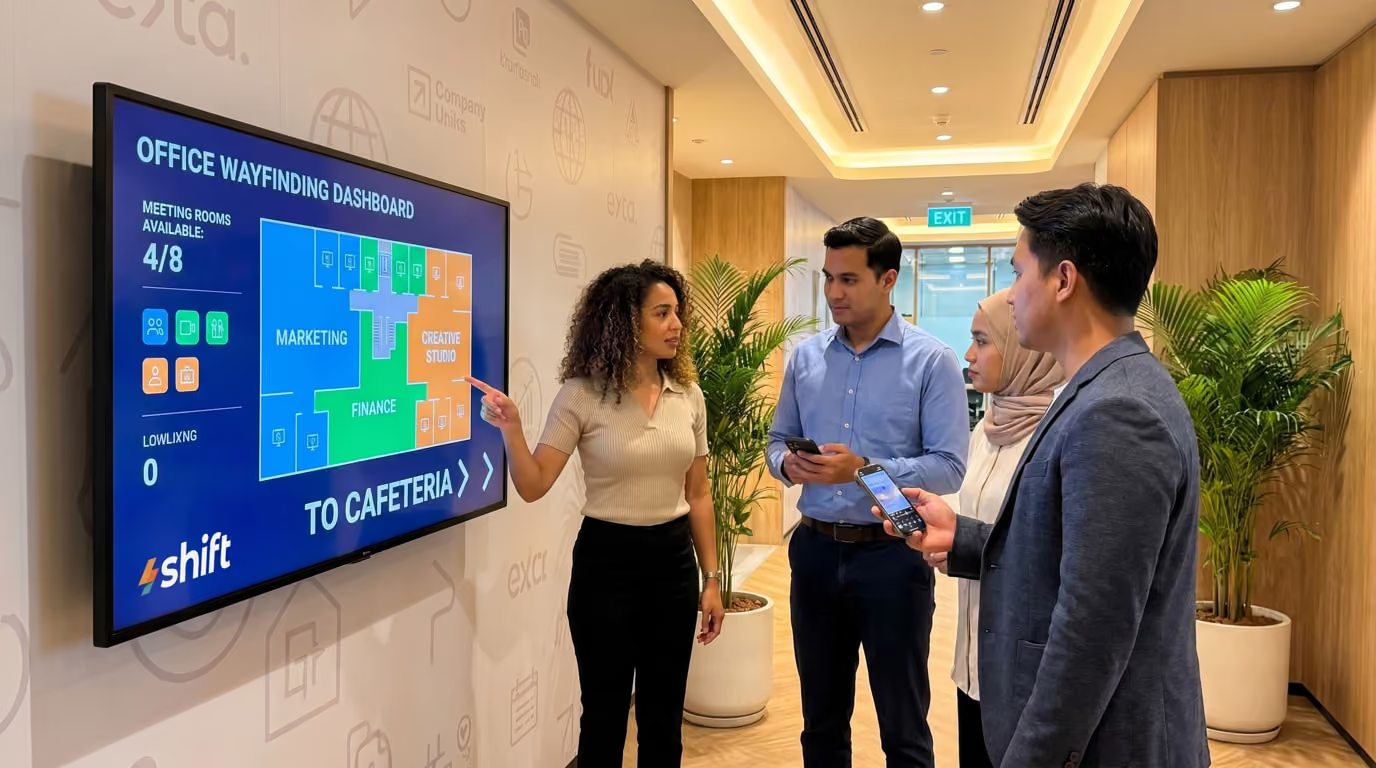
Clear, consistent wayfinding signage is the backbone of a functional office. Room names and numbers, floor directories, department indicators, and directional arrows might not be the most glamorous form of internal signage, but they are among the most important. Good wayfinding reduces frustration, speeds up navigation, and makes the entire office feel more organised and considered. The best wayfinding systems are designed to match the broader aesthetic of the space — not bolted on as an afterthought — so they guide people effortlessly without disrupting the visual environment.
3. Inspirational Quote Displays
A well-chosen quote in the right location can do a surprising amount of heavy lifting for the workplace atmosphere. Motivational and thought-provoking quotes placed in high-traffic areas — stairwells, corridors, kitchen spaces — give people a moment of pause and reflection during the working day. The trick is curation. Swap out generic productivity slogans for quotes that genuinely align with your industry, your culture, or the mindset you want to cultivate. Rotate them periodically to keep the space feeling fresh and give people something new to notice.
4. Employee Recognition Boards
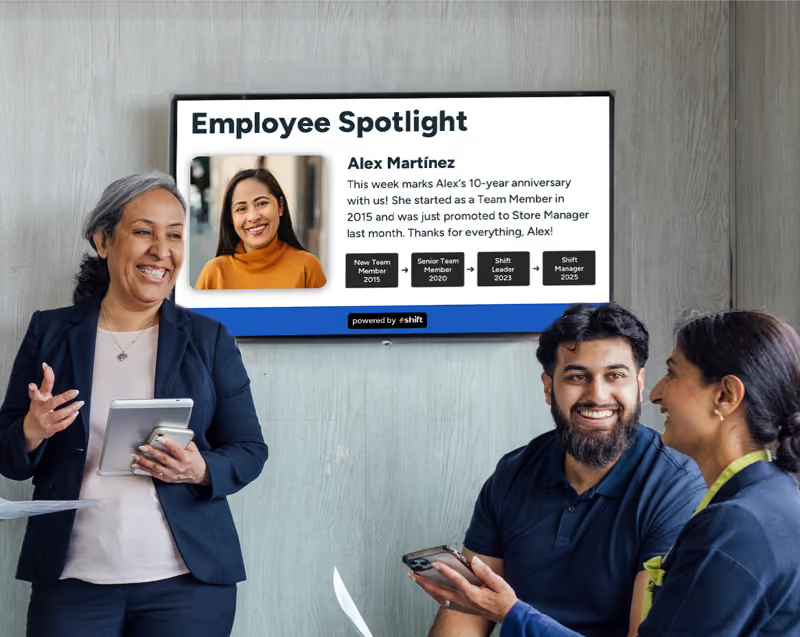
One of the most powerful and underused internal signage ideas is dedicated space for recognising your people. A physical recognition board — whether it celebrates employee of the month, team achievements, work anniversaries, or personal milestones — makes recognition visible and public in a way that a digital shoutout simply cannot match. It signals to the entire workforce that contribution is seen and valued, and it gives individuals a genuine sense of pride. In a world where so much workplace communication has moved online, there is something powerful about seeing your name or your team's achievement displayed in the physical space you share.
5. Departmental and Team Identity Signage
Giving individual teams and departments their own visual identity within the broader office environment fosters a sense of ownership and belonging. Custom signage for each area — whether that is a creative team's studio, the finance floor, or the sales pod — helps people feel that their corner of the office is genuinely theirs. It also makes the wider office easier to navigate and adds visual variety to what might otherwise be a uniform space. This does not need to mean clashing aesthetics — a consistent design system can accommodate departmental personality while maintaining overall cohesion.
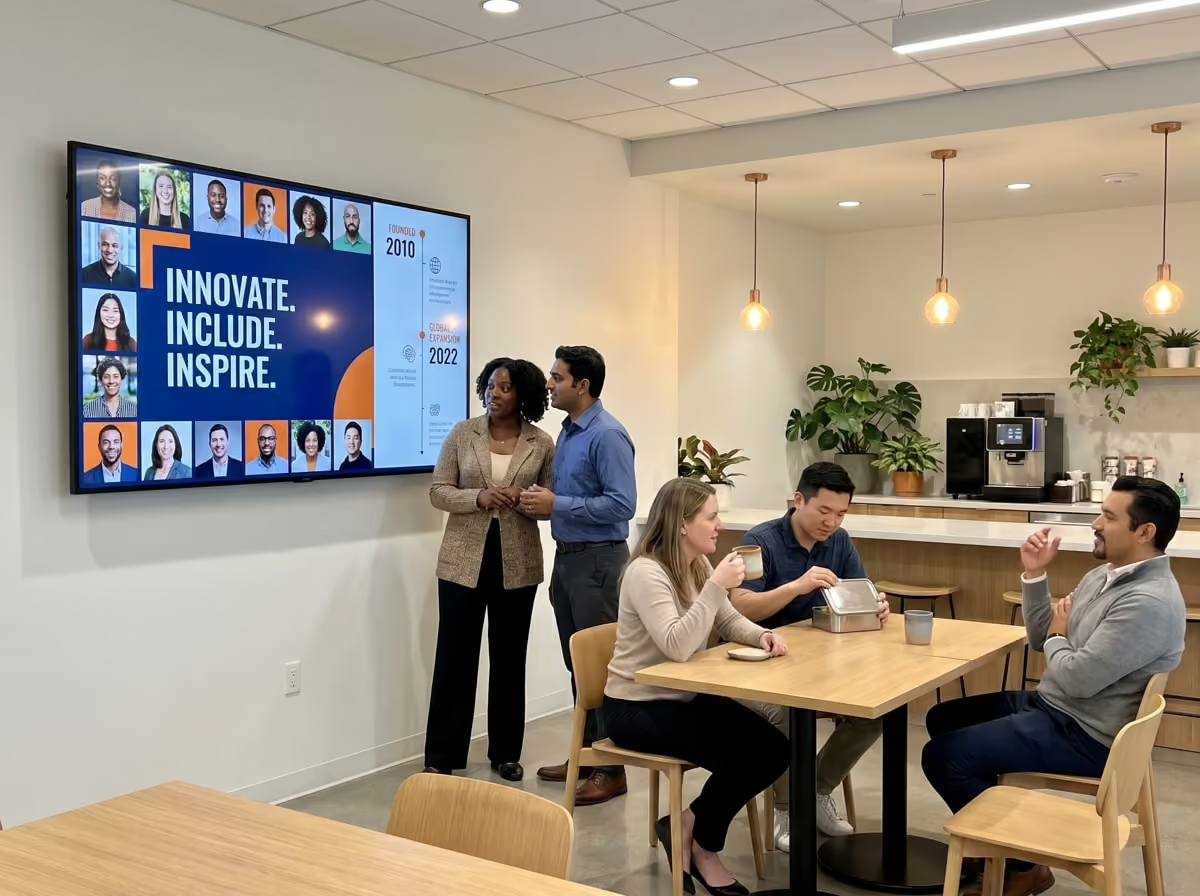
6. Historical and Brand Story Timelines
Every company has a story, and telling it through the physical space is a compelling way to connect employees to something bigger than their daily to-do list. A brand timeline — tracing the company's founding, key milestones, product launches, and defining moments — transforms a corridor wall into something genuinely engaging. For new employees it is an instant orientation into the company's journey. For long-tenured staff it is a source of pride and nostalgia. For visitors and clients it is a powerful, wordless demonstration of credibility and longevity.
7. Collaboration and Creativity Zones
Signage can actively shape how people use a space and the mindset they bring to it. Designating specific areas as collaboration zones, brainstorming spaces, or creative hubs — and marking them with bold, energetic signage — gives employees implicit permission to think differently in those environments. Chalkboard walls, writable glass panels, and idea-wall installations blur the line between signage and interactive workspace tool. These spaces signal that creativity is not just tolerated but actively encouraged, and the physical environment becomes a prompt for the kind of thinking you want more of.
8. Wellness and Mindfulness Spaces
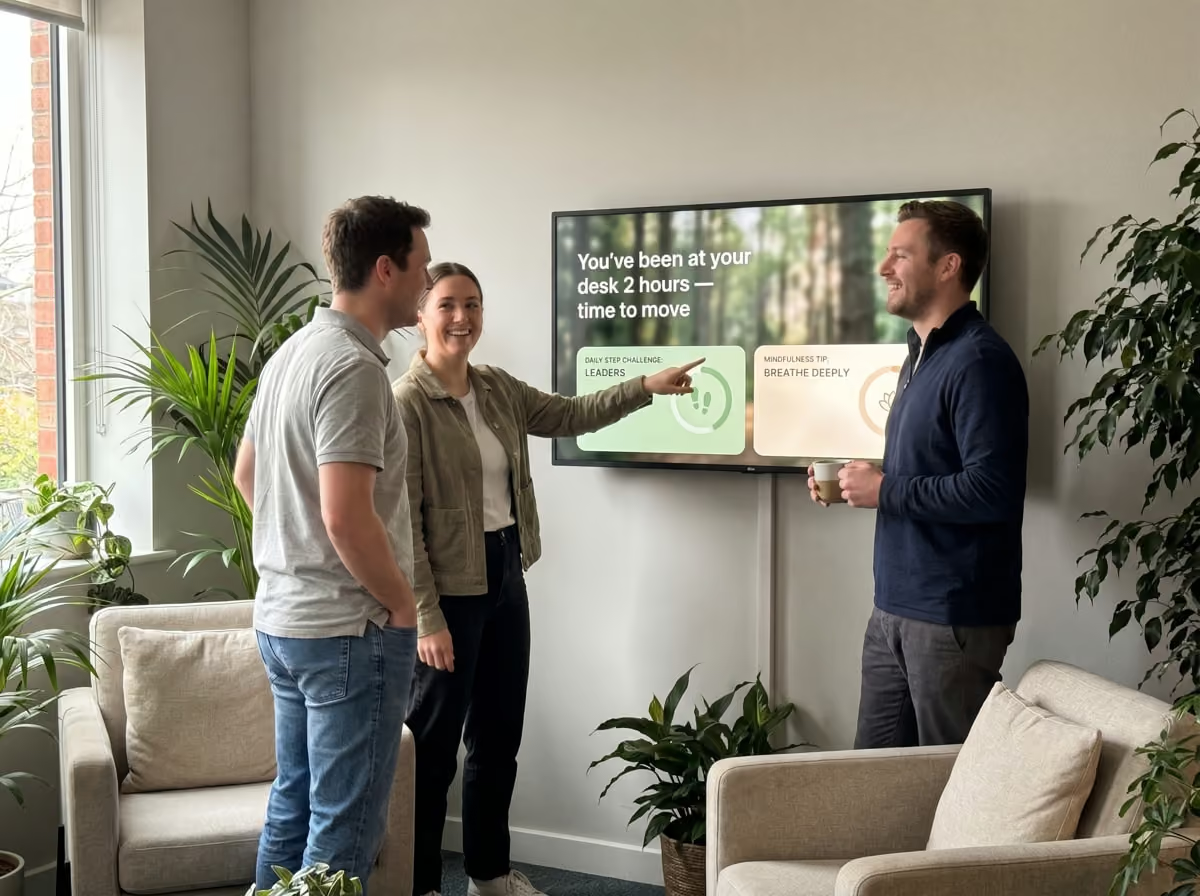
As workplace wellbeing moves from buzzword to genuine priority, the physical environment has a role to play in supporting it. Calm, considered signage in quiet rooms, meditation spaces, or wellness areas reinforces the purpose of those spaces and helps people transition mentally into a more restful mode. Think nature-inspired imagery, gentle typography, and messaging that encourages people to slow down and recharge. Beyond dedicated wellness rooms, subtle wellbeing nudges — reminders to take breaks, move around, or step outside — placed at desks, in elevators, or near exits can have a quiet but meaningful impact on how people look after themselves throughout the day.
9. Safety and Compliance Signage
Safety signage is non-negotiable, but there is no reason it has to feel like an imposition on the aesthetic of your space. Emergency exit routes, fire safety information, first aid locations, and health and hygiene reminders can all be designed to sit comfortably within your office's visual language rather than clashing with it. Investing in well-designed safety signage shows employees that every element of their environment has been considered, and it ensures that critical information is absorbed rather than tuned out. When safety messaging looks like it belongs in the space, people are far more likely to actually read it.
10. Digital and Dynamic Signage Displays
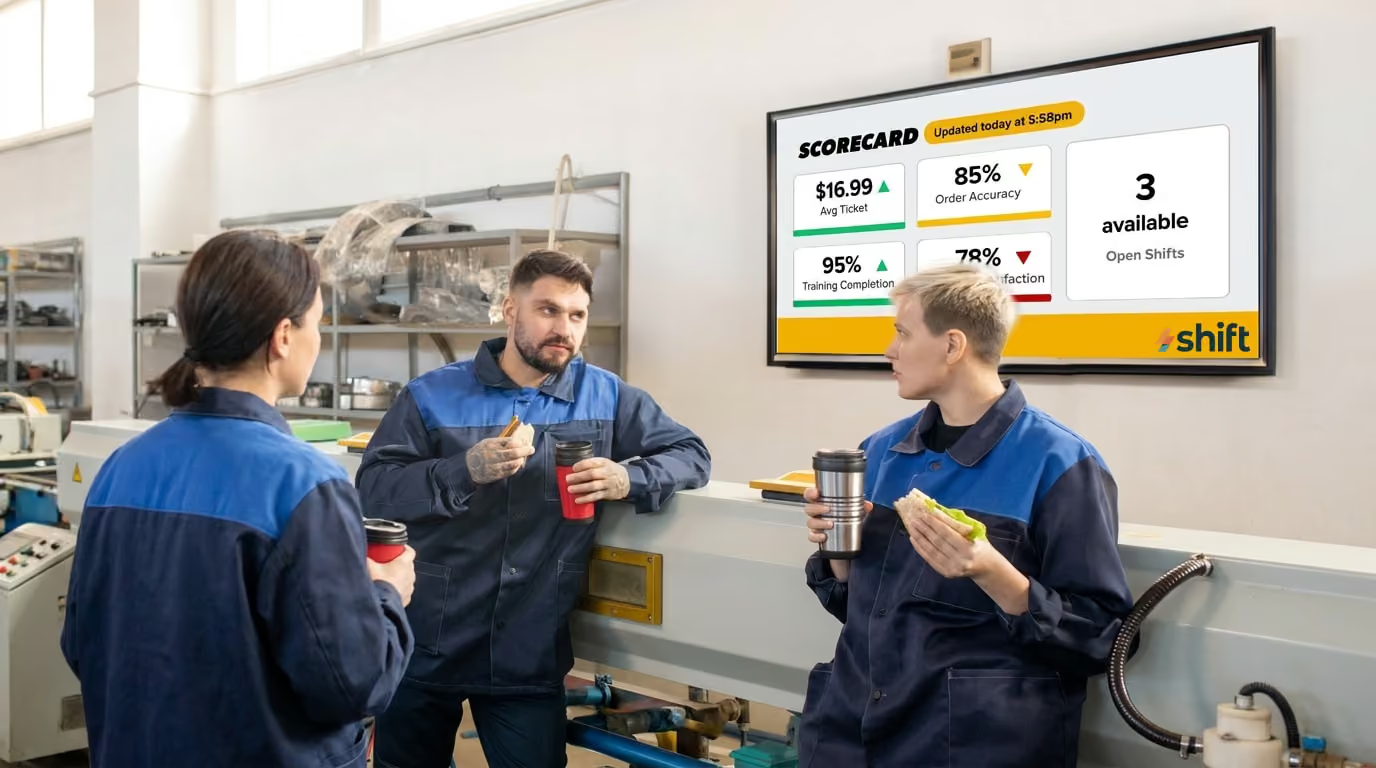
Static signage has enormous value, but digital displays open up a different dimension of possibility. Screens placed in reception areas, breakout spaces, or main corridors can cycle through company news, live performance metrics, event announcements, social media feeds, employee spotlights, and more. The content stays current without requiring physical replacement, and the format allows for movement, video, and real-time information that static signage simply cannot deliver. For fast-moving organisations where news and achievements are constant, digital signage ensures the physical environment keeps pace with the business — making the office feel alive, connected, and always relevant.
Use Shift for all your workplace digital signage needs
If you’re ready to elevate your internal signage in the workplace, turn to the pros at Shift to help make it possible. Our easy to use system makes it simple to create content on-demand in real time, helping to boost engagement, improve retention, and streamline operations. Using these 10 ideas to boost employee morale is the right decision for your company, and using Shift to do it will help elevate engagement and connection.






.avif)