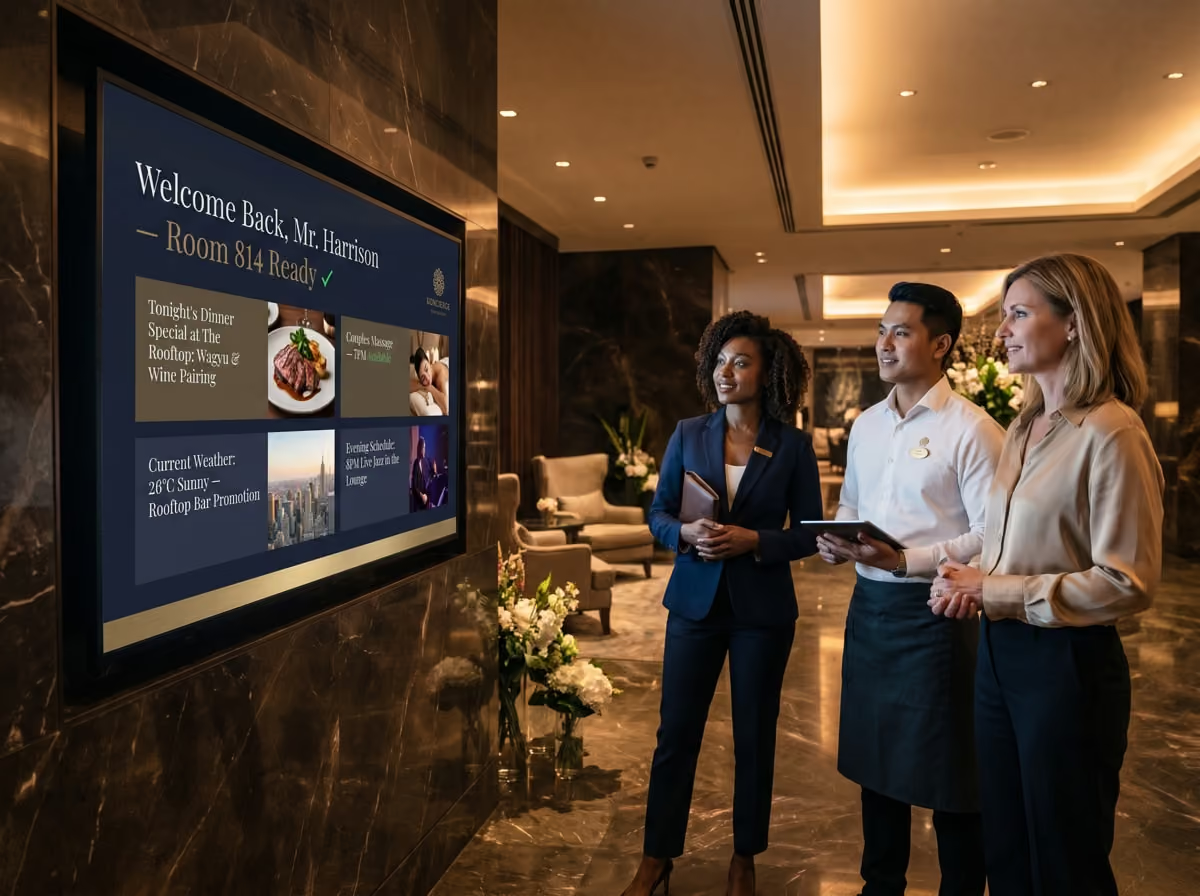
Walk into a well-run hotel or resort today and the lobby feels alive. A display cycles through cinematic footage of the rooftop bar. A kiosk greets arriving guests by name. A screen near the elevator suggests tonight's dinner special — one that happens to match the cuisine the guest favorited in the hotel app weeks ago.
None of this happens by accident. Digital signage is no longer a nice-to-have for hotels and resorts. It's a strategic infrastructure that touches every stage of the guest journey — setting a mood, reinforcing a brand, reducing friction, and driving revenue. This article explores how forward-thinking hotels and resorts are deploying it across their properties, and why it's become one of the most powerful tools in modern hospitality.
We’ll be delving deeper into:
- Why digital signage is a game changer in the hospitality industry
- Top ways hotels and resorts can utilize digital signage to elevate guest experiences
- Why Shift is the digital signage solution the hospitality industry can rely on
How digital signage works in the hospitality industry
Upgrading to digital signage has never been easier, or more essential!
Digital signage displays range from small screen panels mounted outside meeting rooms to massive video walls anchoring a resort lobby. Most modern hotel deployments use commercial-grade screens — built for 24/7 operation and significantly more durable than consumer televisions. Touchscreen kiosks handle interactive functions like wayfinding, self-check-in, and concierge lookups. Outdoor-rated displays serve pool areas, entranceways, and covered terraces. In-room televisions and tablets operate as the guest-facing edge of the same ecosystem.
A content management system (CMS) is the brain of the operation. It allows hotel staff to schedule, update, and distribute content across every screen on the property from a single dashboard. Most modern CMS platforms are cloud-based, meaning updates push instantly and managers can make changes remotely. Screens can be grouped by zone — lobby, restaurant, guest floors, meeting spaces — so content is always contextually relevant. Scheduling tools let properties automate content by time of day, day of week, or season without manual intervention.
All of it runs on the hotel's internal network infrastructure, typically a combination of wired ethernet connections for permanent installations and secured Wi-Fi for flexible or temporary displays. A reliable, segmented network is essential — both to ensure uptime and to keep the signage system isolated from the guest Wi-Fi network for security purposes.
Modern hotel systems connect with:
- Property Management Systems (PMS) to pull real-time reservation data, personalize welcome messages, and trigger checkout reminders
- Event Management Software to automatically update meeting room boards and directional signage as schedules change
- Point-of-Sale Systems to keep digital menus current with live pricing, daily specials, and sold-out items
- Loyalty Platforms to recognize returning guests and surface personalized offers
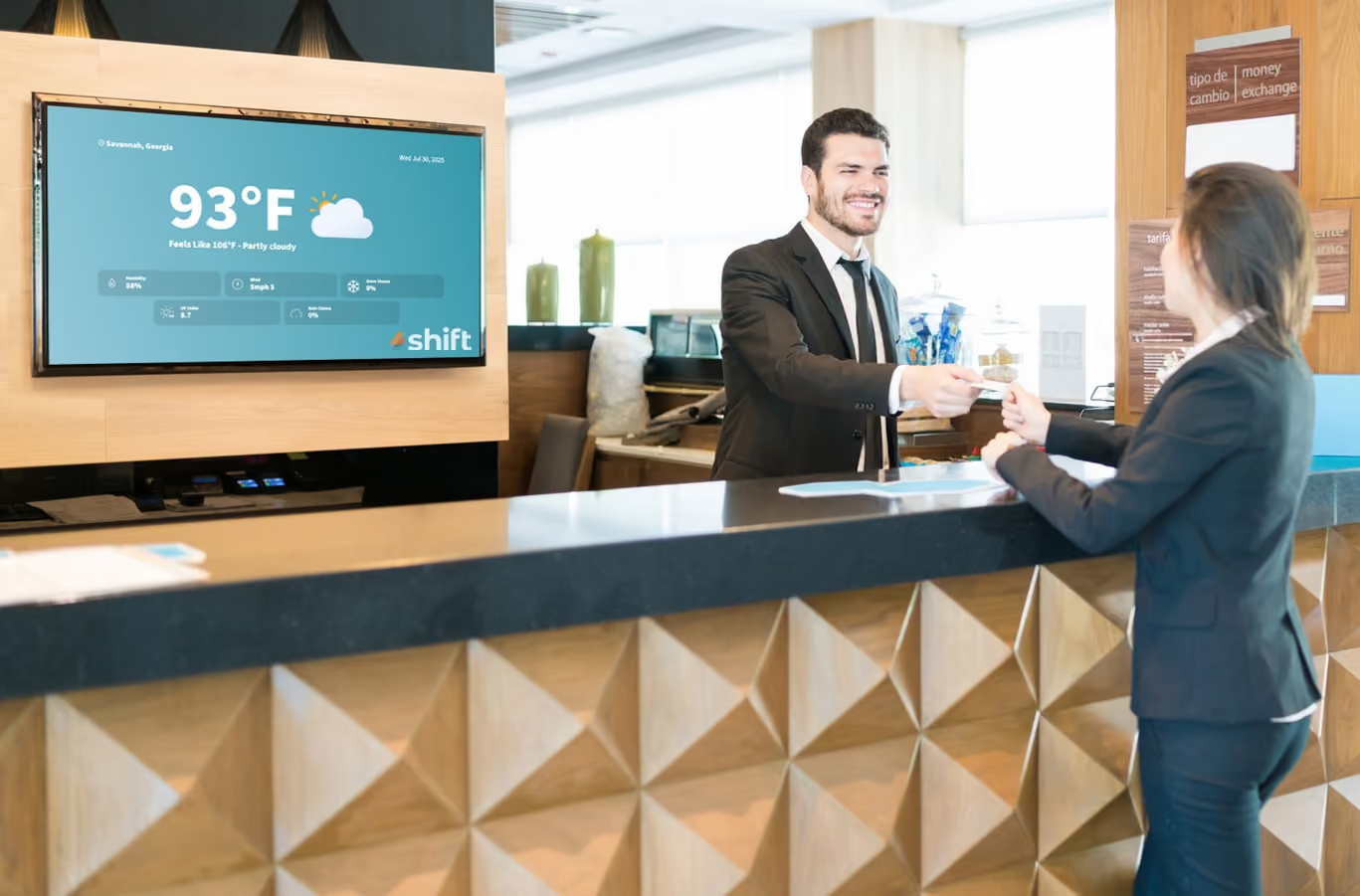
- Weather and Local Data Feeds to serve contextually relevant content — umbrella reminders on rainy days, rooftop bar promotions when the sun comes out
As you can see, it’s relatively straightforward to integrate digital signage into the hospitality industry, and lots of points of access for seamless connection that work to improve the guest experience. Let’s get into the most popular ways hotels and resorts can use digital signage that are going to make positive impressions on guests.
5 ways hotels and resorts can use digital signage right now
These are the most common ways hotels and resorts employ digital signage, and guests are noticing!
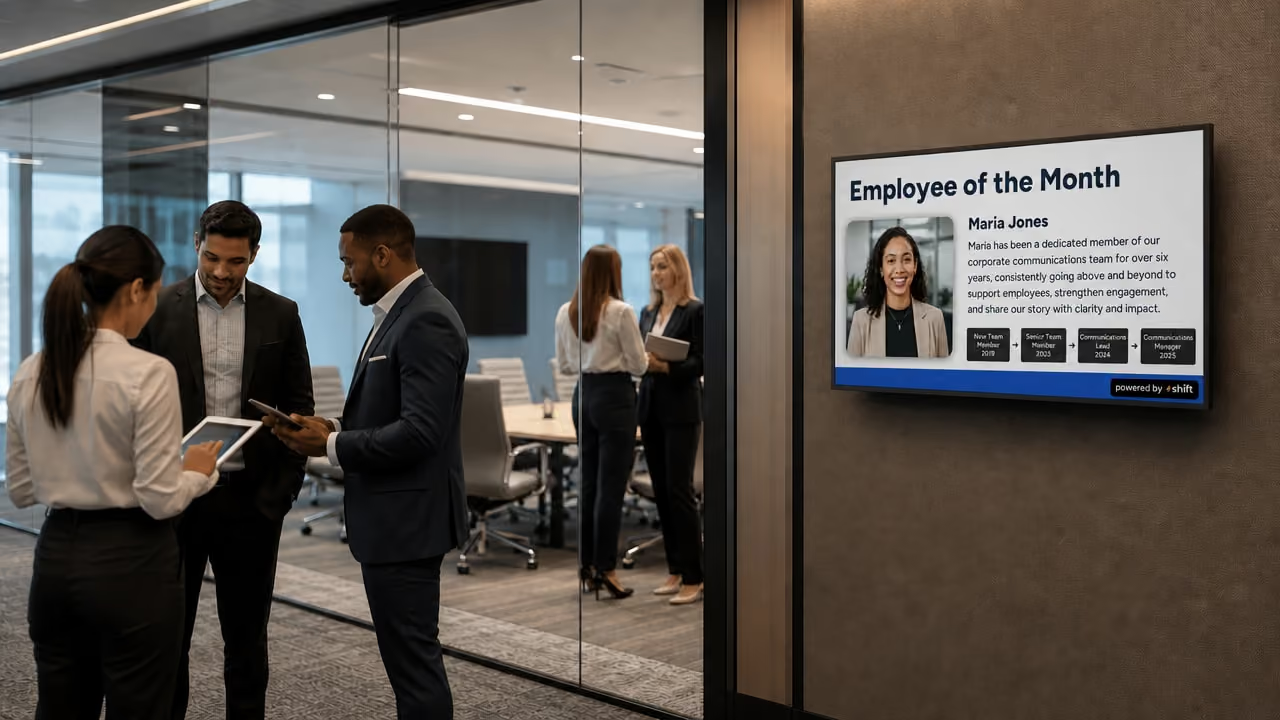
There are a few major ways that hotels and resorts should consider employing the use of digital signage to enhance the guest experience.
1. First Impressions: The Lobby and Check-In Experience
It takes only a few seconds for a guest to form an impression of a hotel. The lobby is where that judgment is made — and increasingly, digital signage is one of the most powerful tools a property has to shape it.
Setting the Tone Before a Word Is Spoken
Before a guest reaches the front desk, the visual environment has already started communicating. A well-designed lobby display system does what no printed poster or static artwork can: it moves, adapts, and responds to the moment. Cinematic footage of the property's amenities plays on a large-format video wall. Seasonal campaigns reflect the time of year. Evening lighting shifts the on-screen content toward warmer, more atmospheric visuals while daytime screens lean into bright, activity-focused imagery. The result is an ambient brand experience that feels intentional and alive rather than static and generic.
Reducing Friction at Check-In
Long check-in lines have always been one of hospitality's most persistent pain points. Digital signage addresses this in two ways: by enabling self-service and by managing perception.
Interactive check-in kiosks allow guests to bypass the front desk entirely — confirming their reservation, selecting a room, receiving a mobile key, and heading straight to the elevator. This is particularly valued by business travelers arriving late at night or guests who simply prefer not to interact after a long journey. Well-designed kiosks integrate with the PMS to surface upgrade offers, loyalty point balances, and personalized room recommendations at the moment of check-in, turning a transactional moment into a subtle upsell opportunity.
The Digital Concierge
The traditional concierge desk is a resource most guests underuse, either because they don't know what to ask, don't want to feel like an imposition, or simply pass through the lobby too quickly to stop. Digital concierge displays — positioned at high-dwell areas like elevator banks, seating areas, and near the front entrance — bring concierge-level information into the natural flow of a guest's movement through the property.
These screens surface curated local recommendations, on-property event schedules, dining availability, weather forecasts, and transportation options without requiring any interaction from the guest.
2. Seamless Navigation Throughout the Property
Getting from point A to point B shouldn't be a source of stress for a hotel guest. Yet in large resorts, convention hotels, and multi-tower properties, disorientation is one of the most common — and most quietly damaging — friction points in the guest experience. Guests who can't find the pool, arrive late to a meeting because they couldn't locate the right ballroom, or wander past the spa three times before finding the entrance don't complain loudly. They just leave with a slightly worse impression of the property than they should have.
Digital signage, deployed thoughtfully across a property, eliminates this friction almost entirely.
Elevator Bank Displays
Elevator lobbies are among the highest-dwell locations in any hotel. Guests waiting for a lift have nothing to do but stand and look — making elevator bank screens some of the most valuable real estate in the property's digital signage network.
Smart properties use this dwell time intentionally. Floor-specific content can remind guests on the pool level about towel service hours. Screens near the conference floors can display the day's event schedule and room assignments. Evening content might promote the lobby bar or highlight a live performance happening that night. The best elevator displays balance genuinely useful navigational information with brand-building content and light promotional messaging.
Outdoor and Resort-Wide Navigation
Wayfinding in a resort environment presents a distinct set of challenges. Outdoor spaces, multiple buildings separated by landscaping or water features, shuttle routes, beach access points, and activity venues spread across a large footprint can't be navigated the way an interior hotel floor can. Guests need orientation, not just direction.
Outdoor-rated digital displays — weatherproofed, high-brightness panels designed to remain readable in direct sunlight — can be positioned at key outdoor decision points to extend the wayfinding network beyond the building envelope.
3. Elevating Food & Beverage Operations
Food and beverage is one of the most complex, fast-moving, and revenue-critical operations in any hotel or resort. Menus change daily. Specials sell out. Happy hours start and end. Seasonal ingredients come and go. Staff turnover means institutional knowledge walks out the door on a regular basis. And through all of it, guests expect a seamless, polished dining experience that reflects the same quality as the rest of the property. Digital signage can help with all of that.
The End of the Static Menu
Printed menus have always been a compromise. By the time they're designed, approved, printed, and distributed, something has already changed — a price, an ingredient, a seasonal offering, a wine that's no longer available. Restaurants absorb this friction through workarounds: verbal specials recited tableside, handwritten inserts slipped into menu sleeves, items quietly crossed off with a pen. Each workaround chips away slightly at the polished experience a quality property is trying to deliver.
Digital menu boards eliminate the compromise entirely. Connected to the property's point-of-sale system, a digital menu updates the moment something changes. The operational savings are significant. A mid-size hotel restaurant that reprints physical menus seasonally, plus inserts for daily specials, plus wine lists that update monthly, can spend thousands of dollars annually on print production alone.
Bar and Lounge Applications
The bar environment has its own specific digital signage use cases beyond standard menu display. Craft cocktail lists that rotate weekly, rotating tap selections for hotel bars with serious beer programs, featured spirit promotions tied to distillery partnerships — all of these are natural fits for dynamic digital display that would be impractical to manage with printed materials.
Sports and entertainment programming is another high-value application for hotel bars targeting a broader guest mix. Screens displaying upcoming events, game schedules, and entertainment lineups drive awareness and foot traffic from guests who might not have thought to visit the bar otherwise.
4. Driving Revenue Through Upselling and Promotion
Every hotel has the same fundamental challenge: a guest has already committed to a room rate, checked in, and settled into their stay. The question from that moment forward is how much of the property's broader offering they'll actually engage with — the spa, the restaurants, the activities, the upgrades — and how much revenue those engagements will generate beyond the base booking. That’s why transforming every screen on the property into an intelligent, context-aware sales channel that promotes the right offer to the right guest at the right moment, without ever feeling like a hard sell.
Spa, Wellness, and Activity Promotion
Spa and wellness facilities are among the highest-margin amenities a hotel can offer, yet they are chronically underutilized by guests who either don't know what's available or never think to book during the natural flow of their stay. Digital signage addresses both problems.
Displays positioned at high-traffic points throughout the property — lobby seating areas, elevator banks, pool areas, fitness center entrances — keep spa offerings visible without requiring guests to seek them out. Rotating content highlights specific treatments, introduces therapists, promotes package deals, and creates visual desire through the kind of atmospheric photography and videography that makes a massage or a facial feel genuinely appealing rather than like a line item on a services menu.
5. Enhancing Meetings, Events, and Group Business
The meetings and events segment represents one of the most lucrative revenue streams in the hotel industry. A single large conference can fill hundreds of room nights, generate significant F&B revenue, and anchor a property's occupancy calendar for days at a time. Corporate retreat groups, association conferences, incentive travel programs, weddings, and social events each bring their own logistics, their own expectations, and their own opportunities for the property to distinguish itself through flawless execution.
There are a few ways to use digital signage that will help hotels and resorts in this area:
- Meeting Room Identification and Status Displays
- Property-Wide Event Directories
- Branded Welcome Experiences for Corporate Clients
- Live Social Walls and User-Generated Content
Use Shift for your digital signage needs
Shift gives hotels and resorts a way to easily start seeing the benefits of using digital signage
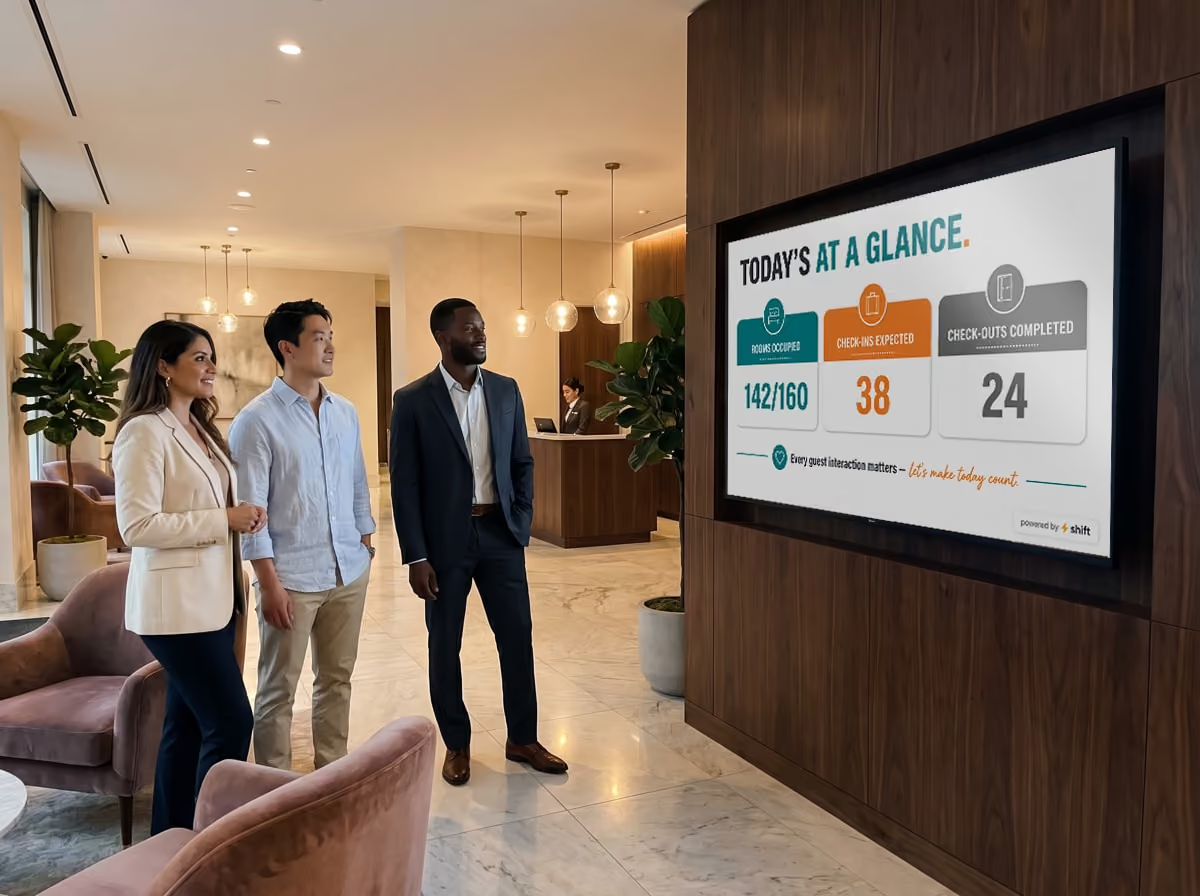
If you’re wondering where to start on your digital signage journey, you can’t go wrong with Shift, which offers digital signage solutions to a variety of industries, including hotels and resorts. Shift makes it easy to start your digital signage campaign right away, as our media player requires no extensive set up, just plug and play on your digital screens. It automatically connects to your account, where you can take advantage of all kinds of content templates (or design your own) as well as hotel PMS’s, APIs, and other integrations.
Our new content navigator ensures that managers can update any signage screens from their device instantly. Keep employees happy, enhance every guests’ stay, and boost your revenue with the help of Shift!
Don’t get left behind, start seeing the benefits of digital signage with Shift at your hotel or resort!
For hoteliers evaluating where to invest next, the case is straightforward. Digital signage involves more guest touchpoints, drives more ancillary revenue, and reduces more operational friction per dollar invested than almost any other technology in the property stack. The properties that have embraced it fully aren't just running better operations — they're delivering better experiences. And in hospitality, experience is everything.







.avif)