
By Theresa Bontempo
High turnover rates can have various negative effects on a company's operations, such as increased costs, reduced productivity, and an increase in stress levels among workers. To minimize these effects, businesses must first identify the warning signs, and take the necessary steps to address these issues.
One of the main effects of high turnover rates is financial strain. It is believed that it costs around double an employee's annual salary to train or recruit a replacement, and companies have to spend more on training and recruitment due to the increasing number of workers leaving their positions.
A high turnover rate may result in reduced productivity, as employees are forced to perform additional tasks until the new hires are fully prepared to handle their responsibilities. Furthermore, a company with an elevated turnover rate may encounter issues with reputation and morale.
High Turnover Rates Means Instant Red Flag
Employees may become aware of a high turnover rate, which can cause them to suspect that something is not right in the establishment. Workers tend to get overwhelmed by the workload when a company has a high turnover rate, as employers often expect staff members to handle additional tasks, which can result in longer working hours and higher stress levels. This creates an uncomfortable work environment that doesn't encourage job satisfaction or productivity.
Employee Training Initiatives
Companies can take advantage of today's competitive job market by investing in employee training, as it can help workers improve their career prospects and make them feel valued and appreciated. Studies have proven that such initiatives can result in higher retention and loyalty rates.
For businesses that focus on customer satisfaction, training is important as it can help employees gain a deeper understanding of the company's offerings. It can also improve the level of service provided by allowing them to answer guests' queries more confidently.
Apart from the numerous benefits, employee training initiatives can also reportedly enhance the levels of engagement and morale among staff members. Through the provision of new skills, qualifications, and career advancement opportunities, employers make their staff members feel valued and motivated, ultimately leading to improved worker engagement, a crucial factor in cultivating a top-performing team.
Workers may be less inclined to participate in training if they believe that they are not being appreciated or rewarded for their efforts. To encourage staff members to take part in the training process, it is important that companies establish recognition and reward systems.
When companies prioritize certain areas of their operations based on their potential returns, training may be neglected. In such instances, they should allocate resources to ensure that the necessary ones are still available to provide the required assistance to the employees.
Retention Issues
Being unsure of what to do at work can be a source of stress for many people. If the expectations of the job are not communicated clearly, workers might start looking for a better job.
Misalignments in expectations can cause workers to feel dissatisfied, as it might not align with what they anticipated when they were hired. Miscommunication between managers and their staff can lead to the resignation of employees. Unfortunately, bad managers can have a significant impact on the job satisfaction of their subordinates, leading to turnover.
Staff members of high-volume establishments such as restaurants, hotels, and fast-food outlets need managers who can effectively manage their human and physical processes. They should be good communicators and have the necessary skills to resolve conflicts and delegate orders.
Scheduling & Communication
In the hospitality sector, workers typically don't have to follow a set schedule. This provides them with a lot of flexibility, but it can also lead to people not knowing what their regular hours will be. This can result in stress levels that are higher than they should be.
Workers don't want to wait until the very last minute to know their schedules. They want to have the opportunity to make their own decisions regarding their time off, work hours, and whether or not they're expected to do extra duty.

Although communication is important in business, it's also important to make sure that the expectations of the staff are clearly communicated. This is especially important in the hospitality industry.
Lack of Growth
Workers may feel less engaged and unmotivated if their managers or team leaders do not keep them up-to-date with the latest processes and regulations. A poor performance by these employees could negatively affect the entire organization.
The lack of growth opportunities in the hospitality sector is also one of the main factors that can lead to employee turnover. While many individuals who start out in this field eventually decide to stay in it, others believe that it's a dead end job.
Staff members would not want to stay with an organization that considers them to be temporary or interchangeable employees. Those who feel undervalued by the company would not be willing to continue working there.
In a tight labor market, it's important to hire only the ideal candidates. Even during this period, it's crucial to optimize your selection process.
Importance of Transparency
In certain cases, you may be able to provide individuals with the training they require to excel at their job. But, it is crucial to assess the right personality traits for the job opening.
You should always be transparent about how your business operates. In the hospitality sector, long hours may be required at short notice, and you should not sugar coat this. In addition, inform the candidates about the job and let them decide if it fits them well.
You should establish a routine wherein schedules are released, as well as when staff members should be informed of their expected work hours. Employees should be given ample warning if they may be asked to work beyond their scheduled shifts.
A structure that allows employees to request time off and follow a process if they are sick should also be in place. Having these systems ahead of time helps ensure that the company is not short-staffed.
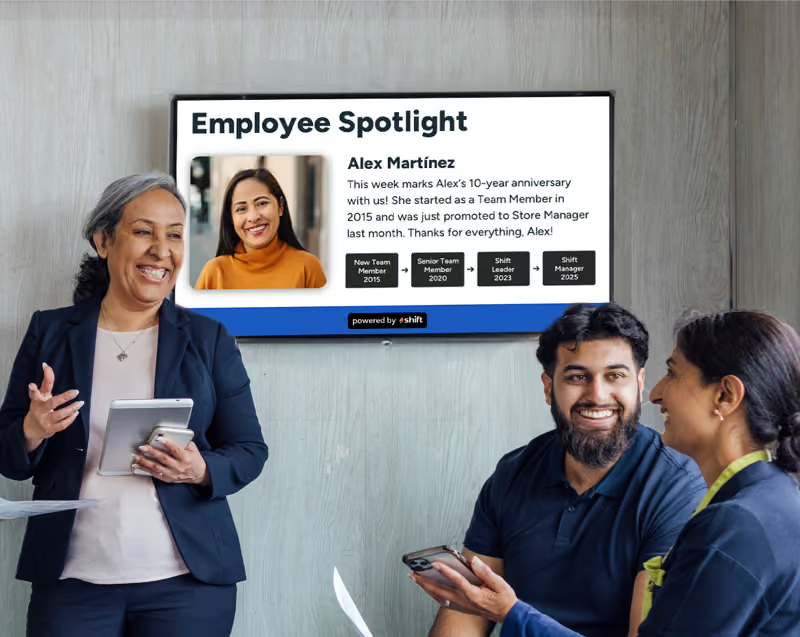
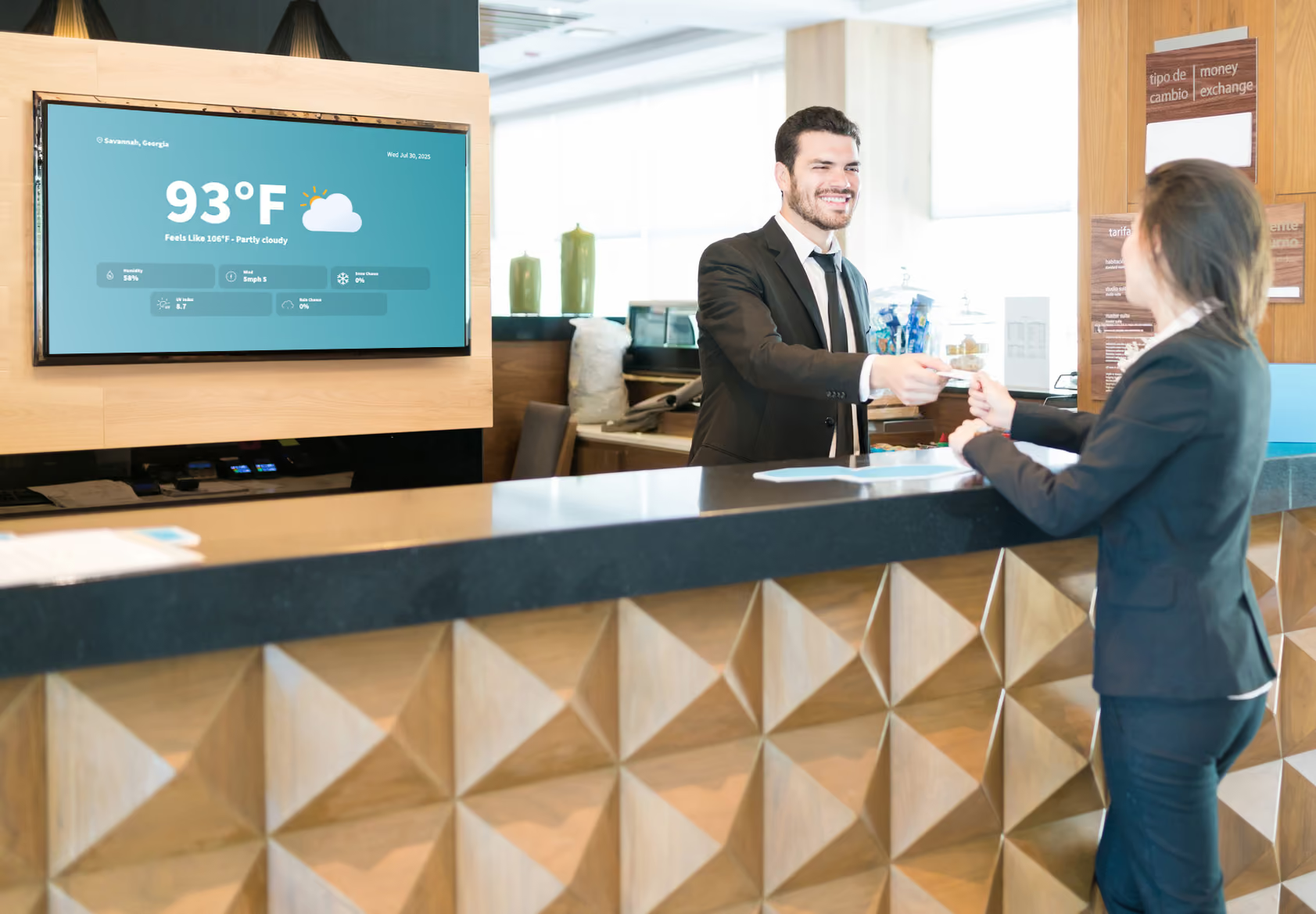
With Shift, you can improve engagement and communication among employees with digital displays that constantly show real-time data to increase employee retention.
10 Ways to Retain Hospitality Workers
While there are lots of reasons for high employee turnover rates in the hospitality industry, these specific strategies may just be exactly what your company needs to elevate and grow.
- Employee Appreciation Events
An employee appreciation program can help boost the employee's experience and make them feel valued at work, which in turn can also help build a culture of trust and encourage participation in team activities.
Some of these perks that can be offered to employees include free meals during their shifts or discounted programs at company facilities. These actions help build a sense of appreciation and belonging, and they play a vital role in retaining talent in an industry that is undergoing a rapid transformation.
Various employee retention tactics can be integrated into an organization's operations to promote a culture of loyalty and encourage a productive and loyal workforce. These recommendations, which are carefully implemented, can help boost the company's profitability and growth.
- Be Flexible with Schedules
High turnover rates and burnout are common problems encountered by hospitality workers due to the unpredictable nature of their work schedules. Implementing adaptable work arrangements and shifting management techniques can significantly improve worker satisfaction and retention. Such practices recognize the personal responsibilities and lives of staff members, which promotes a work-life equilibrium.
Some of the flexible work options that can be used by an organization include allowing staff members to shift their work schedule without penalty, offering part-time positions, and providing remote work for those who can afford it. Other perks can also be provided to help employees take breaks and relax.
- Transparent Communication
The importance of open and transparent communication is immense in the hospitality sector. Fostering a culture of trust and transparency can help retain employees and make them feel valued and heard, which can be achieved through regular meetings and feedback channels.
In the hospitality industry, frequent miscommunications and inadequate feedback can lead to high employee turnover rates. To effectively retain staff members, a communication strategy must be implemented through things such as regular meetings and feedback channels.
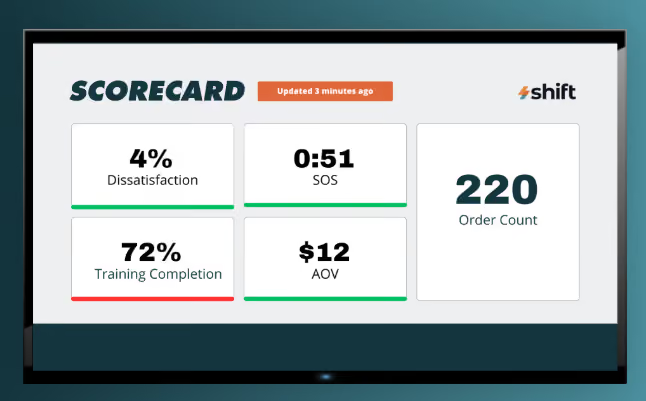
With Shift, for example, you can use digital signage to keep your employees up to date easily! Image courtesy of Shift.
- Positive Work Environment
An encouraging work atmosphere is vital for employee retention, which creates a safe and welcoming environment where staff members can feel valued and respected. Various HR practices such as team-building activities and harassment-free policies can help create a culture that encourages employees to stay with the company. Having a supportive management team and clean and safe working spaces are some of the key factors that hospitality establishments can consider.
- Self-Directed Learning
In order to establish a culture of career advancement and enhance employee retention, you must equip your personnel with the necessary tools and resources to empower them with the necessary professional expertise. This can be done through the provision of a variety of learning resources, including online courses, videos, articles, and qualifications to encourage self-directed learning.
- Keep Your Eye on the Top Talent
The success of a hospitality organization depends on the quality of its recruitment process. Besides being able to demonstrate a passion for the role, applicants should also be interested in learning more about the development opportunities and career prospects of the position.
A quality candidate is usually looking for a new opportunity to develop their skills and experience. In addition to having a clear job description, it's also important that you highlight the various benefits of the position.

For instance, highlighting the role's flexibility with scheduling can help you find the ideal candidate quicker.
- Retirement Benefits
One of the most effective ways to encourage long-term employment is by offering a retirement benefit, such as a 401(k). This type of program can be used by hospitality companies to incentivize workers to stay with the organization even after they retire. Knowing that their employer takes the interest in their financial futures can help them put in the work required to stay motivated.
- Emphasize Strong Leadership
One of the most important factors that employers can consider when it comes to preventing turnover is the quality of their managers. This can be done by conducting a survey to gather feedback from their employees. Negative feedback can be a red flag that suggests that the manager is not being able to provide the necessary support and opportunities for development.
- Use Technology as an Advantage
One of the best ways to keep employees is by making their jobs easier, and various technologies can help automate repetitive tasks and improve operational effectiveness. For instance, a hotel can implement a cloud-based system to manage its property, which can help with the reservation and billing of rooms, as well as other front-desk functions. Similarly, Shift’s digital screens allow employees to know when training is offered and more!
- Competitive Compensation
According to the Bureau of Labor Statistics, in 2024, the average wage for employees in the hospitality sector was around $19 an hour. Many workers, such as housekeepers and entry-level servers, tend to earn less than that.
To determine the average pay in their area, hospitality businesses should conduct a wage analysis, and also try to offer higher pay rates when available. They should periodically review their pay scales to keep up with inflation and the work experience of their employees.
With the use of these strategies and the effectiveness of digital signage from platforms like Shift, you can reduce the employee turnover rate and attract the best quality candidates to your company.