

By Theresa Bontempo
The lack of retention of skilled workers is a critical issue that affects the entire manufacturing industry. High turnover rates can create various problems that can affect the quality of work and the operations of a facility, which can threaten the long-term sustainability of a company.
In addition to the unique challenges that manufacturers face, their environments also have certain factors that can contribute to worker dissatisfaction. Some of these include perceived safety risks, shifting work, and physical demands.
Besides recruitment costs, high turnover can also have negative effects on the company's financial performance, which can lead to decreased productivity and morale, as well as the loss of institutional knowledge. To prevent this issue from happening in the first place, manufacturing leaders need to identify the root causes of the problem and implement effective strategies to address it.
Conducting an Environment Where Employees Feel Protected and Cared For
The commitment of employees to a company is greatly affected by how much they feel that the organization values their well-being, and this is reflected in their emotional connections with the workplace. Having a genuinely caring and protective environment can help workers develop stronger bonds with their employers.
Companies can demonstrate genuine concern for their employees' welfare by implementing programs that go beyond the minimum safety requirements. Workers appreciate organizations that make significant investments in environmental health and OSHA training, which shows that they are genuinely dedicated to their well-being.
In manufacturing settings, where there are inherent risks, trust and safety have a strong correlation. Workers who are more confident in their employer's commitment to safety are likely to perform their duties more effectively, make suggestions, and contribute innovative ideas. This type of trust-building process can help develop a stable and committed workforce.
Leaders of manufacturing companies can leverage safety initiatives as effective retention tools, catering to both employee engagement and regulatory requirements. A comprehensive safety program can serve as a powerful demonstration of the organization's priorities and values.

When companies implement robust compliance programs with OSHA 1910 standards, they can communicate clearly about their commitment to safety and their employees' importance. These programs establish foundations for predictable and consistent practices.
Making the Effort In All Different Aspects
Safety programs can also help develop trust by providing numerous opportunities for interactions. Regular meetings, hazard identification, and investigations can show that the organization is committed to protecting its workers. These actions demonstrate that safety is an integral part of the organization's culture.
By communicating clearly about the organization's commitment to safety, trust can be further strengthened. Workers would feel more included in the company's operations when safety issues are brought up, as well as when plans are shared and celebrated. This type of inclusion can help promote commitment and ownership.
The culture of a company should undergo a transformation to include a commitment to safety. This can be achieved by consistently modeling safe behaviors and prioritizing the safety of workers. This authenticity is vital for cultivating a culture that can support employee retention.
Workers can play a vital role in developing a culture that supports safety by participating in various aspects of the program. These include being involved in the development of policies and procedures, as well as leading initiatives. Their participation can help boost employee retention and satisfaction.
Reduce Costs with More Effective Training
A manufacturing company can earn substantial economic returns by investing in a comprehensive safety program, which can also help boost employee retention and reduce turnover rates. The organization can enjoy lower training and recruitment expenses, as well as better productivity from stable and experienced workers. These benefits can last for a long time, and these can create significant competitive advantages.
Apart from the obvious expenses like OSHA fines and workers' compensation claims, the hidden costs associated with poorly designed safety programs can be much greater. High turnover rates, which are linked to unsafe environments, can result in training and lost output. Furthermore, inexperienced individuals are prone to accidents, which can result in additional expenses and risks.
A manufacturing company that has a robust safety program can typically claim significant cost savings, as experienced workers are less likely to need supervision, make fewer errors, and contribute more to ongoing improvement efforts. These positive feedback loops can help improve the company's performance and its financial situation.
Developing Consistent Programs
The effectiveness of a safety program depends on its relevance, ongoing reinforcement, and engagement. In addition to hands-on experiences, regular refresher sessions can also help workers internalize the lessons. Interactive methods can foster discussions and questions, which are valuable learning experiences.
Companies that develop customized programs that are focused on addressing specific operational and safety requirements demonstrate their commitment to promoting employee development. When safety training is combined with career and occupational skills development, it can help individuals identify opportunities for advancement.
A safety leader should commit to continuous improvement beyond mere policy statements. Workers will understand that safety is a vital part of the organization's success if the plant's managers hold regular safety meetings and perform inspections.
A leadership development program that emphasizes safety management techniques can help managers and supervisors create work environments that are more positive.
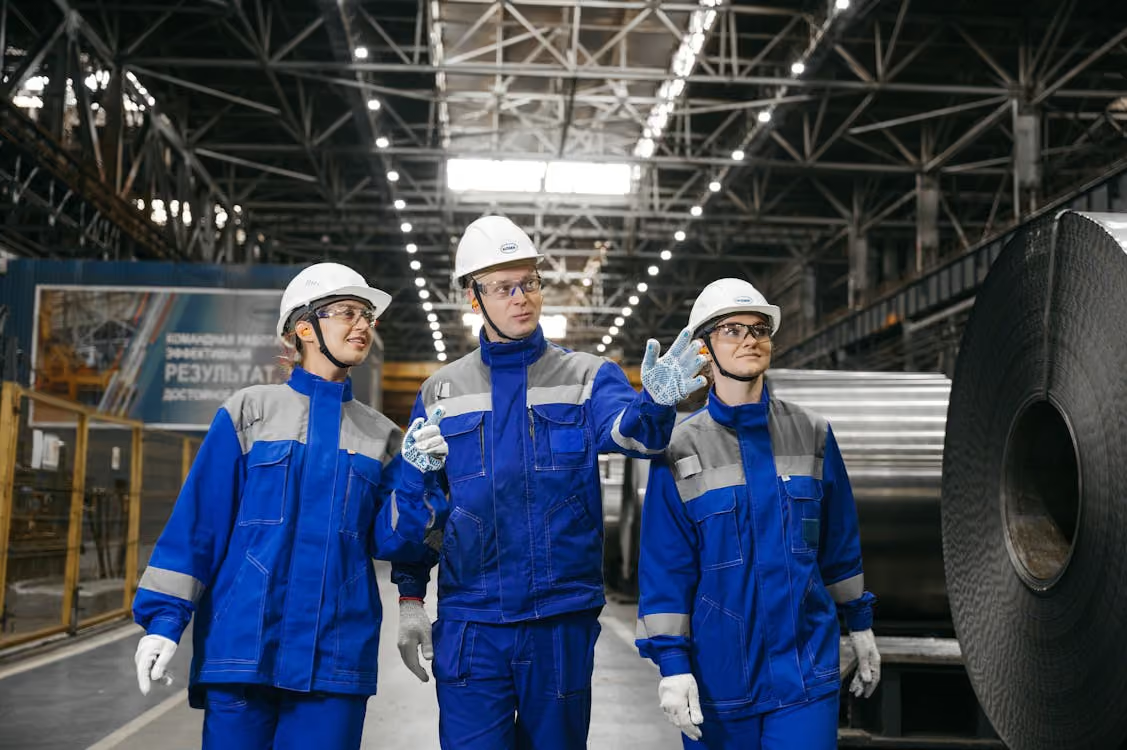
Safety initiatives should focus on communication methods, incident investigation techniques, and employee engagement approaches that support retention and safety goals.
Making a Safety Program Most Effective
Indicators such as the completion rates of safety training, safety suggestion submissions, and frequency of hazard reporting can help identify potential issues that could affect the retention of employees. These metrics can also help manufacturing leaders address these concerns before they have a significant impact on workforce stability. By benchmarking the performance of safety and retention programs against industry best practices and standards, organizations can identify areas of improvement and enhance their program's effectiveness.
In order to maintain long-term workforce stability, a manufacturing company must continuously improve its safety programs to keep up with the changes brought about by new regulations and processes.
The development of safety programs must align with the company's overall workforce development strategy. This ensures that investments in safety support employee growth and enable career advancement, which can help promote long-term worker retention and engagement.
Prioritize Safety with Digital Signage
Workplace safety encompasses both digital and physical security. With the rise of cyber threats and the increasing number of hazards that need to be addressed, digital signage can play a vital role in promoting awareness and keeping employees informed. This type of media can help employees navigate through the various protocols that are involved in running a workplace.
Besides being used to share advertisements and news, digital signage can also be utilized to deliver safety messages in real time. It can be deployed across various areas of the workplace to provide visitors and employees with important safety information. Its visual content can help workers remember their own safety rules and follow procedures during emergencies.
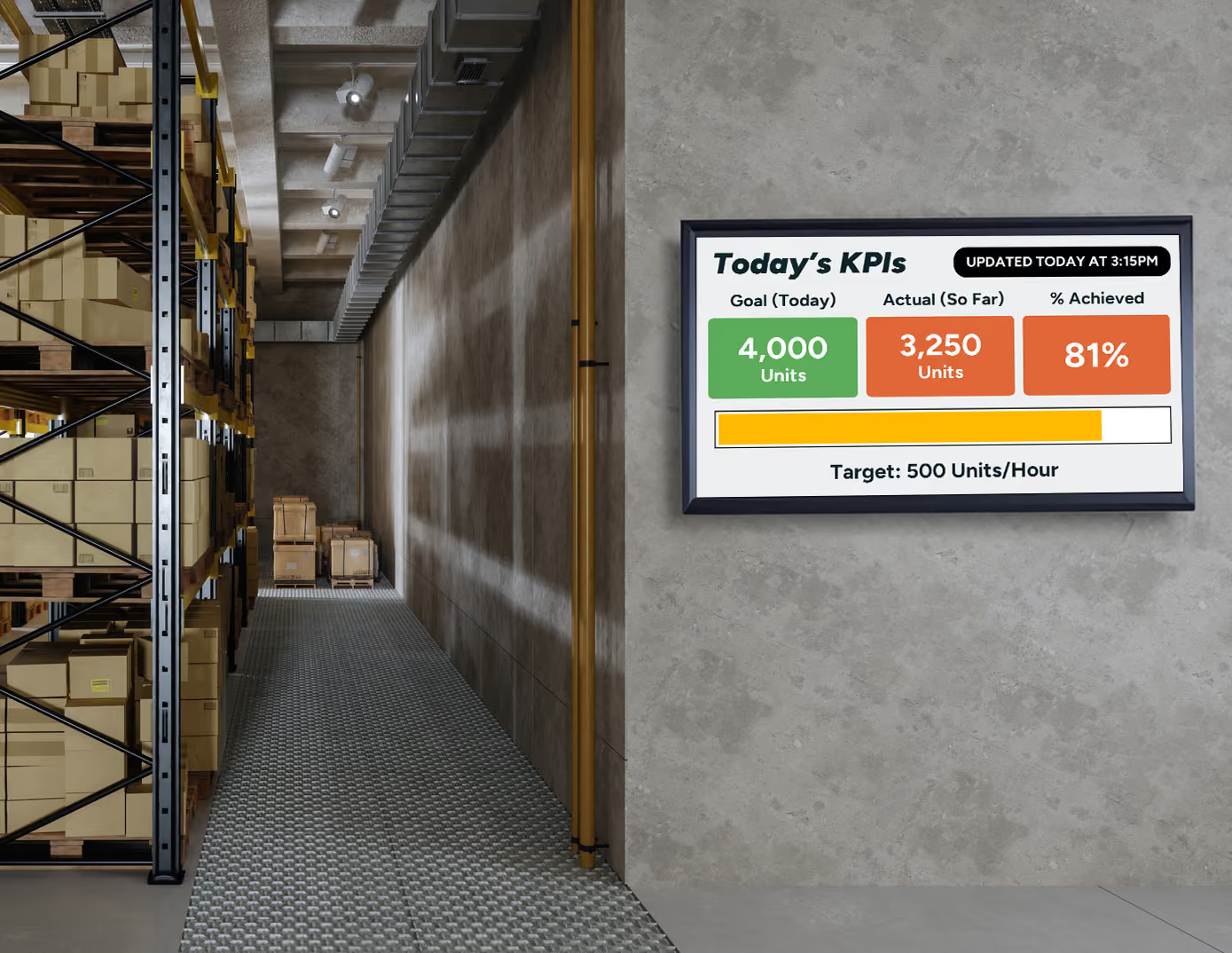
Compared to static print signage, digital signs are more flexible and can be updated easily. They also feature various media, such as animations and videos, and they can be integrated with security and fire systems. This eliminates the need for separate equipment and lets users share real-time information.
Emphasize Safety Protocols
Digital signage should regularly remind employees about safety procedures. Use eye-catching videos and graphics to provide visual guides that explain various safety protocols, fire exits, evacuation procedures, and more. These can help prevent accidents from happening.
Hazard Alerts
In hazard alert systems, digital signage can play a vital role. It can provide workers with immediate information about potential hazards in certain environments, such as factories, laboratories, and construction zones. When paired with sensors and devices from the Internet of Things, such as smoke detectors and thermostats, digital signage can help organizations automate safety warnings and provide employees with real-time information about various issues.
Evacuation During an Emergency
Clear communication is important during an emergency. With digital signage, organizations can provide updates in real time to help employees and visitors navigate through emergencies. It can also direct people to the closest exit during an evacuation. In addition, it can display emergency response protocols and contact information, making it easier for people to follow safety rules.
Cybersecurity Awareness
To help employees become more aware of the importance of cybersecurity, digital signage can be used in high-traffic areas such as hallways and lunchrooms to remind them of the latest policies and initiatives. This can also help them identify potential threats and implement effective measures to protect themselves. For instance, by creating strong passwords and keeping an eye on suspicious emails, you can prevent hackers from accessing your network.
Integrating security systems with digital signage can help disseminate urgent threats, like ransomware attacks and data breaches. Such systems can be programmed to show specific prompts, such as enabling or shutting off internet access or logging out of certain applications, which can minimize the window of vulnerability that hackers can exploit.

To comply with specific regulations, such as HIPAA or GDPR, organizations can use digital signage to communicate their requirements without overwhelming their employees with too much text. This visually appealing approach can make the regulations feel more manageable. Image courtesy of NinjaOne.
Emphasize Safety Reminders
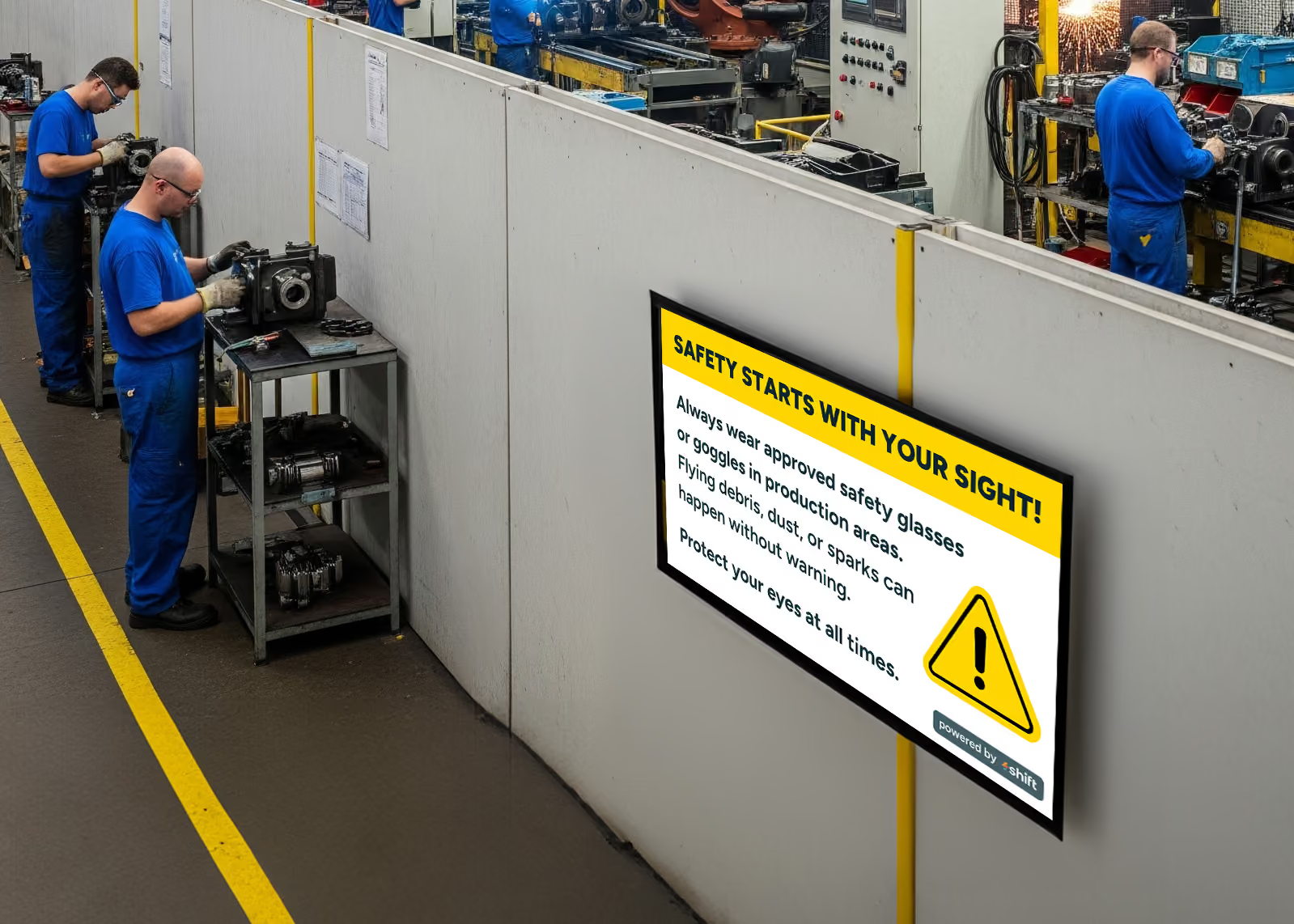
While safety protocols are often overlooked in the daily operations of companies, digital signage can help remind workers about important practices. This type of display can be placed in strategic locations on the production floor to reinforce important messages such as proper PPE usage and hazard identification.
A visual reminder can be created to capture the attention of workers by using bright colors and animations. For instance, a display that shows videos about how to properly wear a safety harness or how to protect one's ears in noisy environments can motivate employees to stay vigilant.
Engagement
Strong safety cultures require employees to be engaged. Traditional methods often fail to catch the attention of workers, and digital signage can help by providing dynamic content that can appeal to the workforce. Utilizing animations, videos, and eye-catching graphics can help convey important safety messages effectively.
Polls or quizzes can help increase engagement. For instance, a digital display may prompt an inquiry about a safety-related topic and allow participants to respond using their mobile devices. This type of approach can reinforce the organization's safety culture and make workers more engaged.
Step Up Your Company’s Routine with Digital Signage that Emphasizes Safety Today
In order to enhance production floor safety, digital signage can be utilized to communicate with workers and provide visual prompts for incident reporting and training. It can also promote awareness and accountability and help with emergency preparedness.
This approach can help organizations create a safer and more efficient workplace environment, which can also improve the productivity of their employees and the overall operations of their company.
With the help of digital signage, schedules and messages can be easily managed and maintained from a single platform. This eliminates the need for manual updates and helps improve the safety communication in the workplace, which also contributes to a more efficient environment by reinforcing the company's policies and procedures.
Use Shift For All Your Safety Reinforcements with Digital Signage
Through its platform, Shift can help employees get the necessary training to prevent workplace accidents, which can be done through the use of videos and signs that show step-by-step instructions. Training sessions are key that help ensure all employees get familiar with their surroundings and make sure that they are ready for any potential disaster.