

.avif)
By Theresa Bontempo
In order to keep up with the changes brought about by digital technology, universities and schools need to find new ways to improve internal communication. Traditional methods, such as mass email campaigns and bulletin boards, are no longer enough to catch the attention of faculty members, students, and staff. Digital signage, on the other hand, is a dynamic and effective way to disseminate information.
A digital signage system consists of various electronic devices, such as video walls, LED screens, and kiosks. It can be used to disseminate information in real-time and can improve the communication environment in educational facilities, and a proper strategy should be executed to ensure that the system delivers relevant and timely content.
Digital signage software can help improve the way educational institutions share vital information. It can be used to create and manage a central platform that enables quick updates, academic notices, and news to be shared with the entire campus.
Educational institutions can use digital signage to notify students about changes in class, send out emergency alerts, and share news across campus. These screens can be installed in key locations such as cafeterias, dorms, and libraries, eliminating the need for paper flyers and outdated PA systems. To enhance the effectiveness of digital signage in libraries, a structured approach can be used.
Educational institutions can now use digital signage software to create and manage a central platform that enables quick updates, academic notices, and news to be shared with the entire campus. It eliminates the need for paper flyers and outdated bulletin boards and allows them to communicate effectively with their faculty and students.In addition to displaying content, an integrated digital signage system can also help enhance the way educational institutions share information and streamline updates.
Enhancements of Digital Signage
The main advantage of implementing a digital signage system is its ability to create and manage content more efficiently. This eliminates the need for manual updates and allows schools to reach younger students through engaging and relevant content. Digital signage can help enhance the way schools communicate with their students by turning passive participants into active participants. This type of system allows viewers to interact with content by allowing them to scroll, touch, and explore it directly on the screen. In addition, it can display the achievements of students.
Educational institutions can greatly enhance the engagement of their students by implementing interactive digital displays, which feature real-time content. These screens can be used to promote events, services, and learning activities.
As educational institutions and communities become more connected, they are turning to digital signage to improve their communication methods and enhance the efficiency of their operations. These systems integrate seamlessly with existing infrastructure, eliminating outdated bulletin board layouts and delivering dynamic updates in real-time across screens that can be identified by location.
With the help of digital signage, users can now post announcements across campus in real time. Whether it's informing students about exam dates, emergency notifications, or schedule changes, this type of system can reach critical messages over a network-based platform. Traditional methods can go unnoticed, and digital signage content can be created and produced in real time, even for specific audiences.

For instance, a student union can promote events and meeting times, while a dining hall can promote meal options. This type of targeted communication can help improve the effectiveness of your operations.
Keeping Students Engaged with Campus Festivities
Educational institutions rely on cultural festivals, academic conferences, and sporting events to keep their facilities and campuses lively. Digital signage can help promote these activities and raise awareness. Its applications, such as scrolling calendars, countdown timers, and dynamic videos, can captivate audiences and create excitement around certain events.
Digital signage can also be used to promote events and raise awareness by scheduling recurring reminders in advance. They can be placed in various areas on the campus, such as the dining halls, lobbies, and hallways. These strategies can help boost the school spirit and increase engagement.
Showing School Pride
To foster an inclusive and positive culture, educational establishments must take pride in the community's achievements. A vibrant digital display can let you celebrate academic achievements, research milestones, athletic victories, and awards. In addition to photos and quotes, content such as videos, interviews, and images can motivate individuals and boost morale.
Navigation
Another common use case of digital signage is in improving the way visitors navigate around campus. This type of system can help individuals find their way around the various facilities and areas on the campus. Its eye-catching design can draw people in and provide them with helpful information about the various areas on the property. Some of these can be interactive kiosks that help users navigate through the various areas on the campus, along with multi-campus settings and centralized control which allows for accurate and consistent announcements and wayfinding content.
A well-designed digital signage system can transform the way students think about campus life, which can create a dynamic narrative that encourages them to feel valued and engaged. In addition to engaging users, digital displays can also help build lasting connections with alumni. For instance, a wall can feature a digital graffiti mural that showcases the school's spirit or a large-scale athlete spotlight with real-time data.
Alumni Appreciation
Connections extend beyond graduation, as graduates who feel appreciated and celebrated as students can stay engaged and give financial and mentorship support to their old institution.A well-designed digital signage system can transform the way students think about campus life, and can also help build lasting connections with alumni. Aside from being a one-time investment, a university's digital signage network can be a long-term strategy that can help improve the school's communication capabilities. There are a variety of ways that schools can fund and sustain their systems, such as through grants and technology budgets.
Choosing the Right Platforms
When it comes to implementing digital signage, it is important to choose the right software and hardware combination. Various factors such as display quality, longevity, and compatibility with existing equipment are also taken into account to choose the ideal solution. This ensures that the network will remain reliable and stable.
A comprehensive content strategy and system design are vital when delivering engaging and pertinent information to students and faculty members. Curriculum objectives, current events, and the interests of students should all be considered when creating a content plan, and a robust management system should be utilized to facilitate efficient content distribution and scheduling.
One of the most important factors that an institution should consider when it comes to implementing digital signage is the effectiveness of its programs. Having a clear understanding of the goals can help improve the efficiency of the system. One of the most effective ways to measure the effectiveness of the solution is by establishing metrics. This can be done through the tracking of various factors such as student feedback and engagement rates.
Getting the most out of your meeting rooms and classrooms can be a challenge, especially when it comes to managing the availability of space. With the help of digital signage, you can automate this process and improve the efficiency of your facility by displaying the latest availability and occupancy rates. For instance, a community college can use a digital display outside each classroom to inform students about upcoming reservations and current occupancy.
Large organizations often have complicated administrative procedures. With digital signage, visitors can easily find the information they require about a school in Columbia, MD, without having to go through the laborious process of searching through printed directories.
Digital signage can be used in school cafeterias to display daily menus, as well as nutritional information and special dietary plans. This not only enhances the experience, but it also lets pupils make informed decisions regarding their meals.
Digital signs can also be used to inform students and staff members about emergencies such as fire drills and severe weather. These can be used to provide immediate action and allow everyone to take the necessary action.

In schools with diverse communities, multilingual staff members and students typically speak several languages. Digital signage may be configured to show content in varying languages to ensure that vital information is easily accessible to everyone. Educational institutions can utilize digital displays to promote a culture of respect and inclusivity. In addition, they can feature messages about diversity and anti-bullying initiatives.
Issues to Overcome
Although digital signage can be an effective marketing tool, it can also be very time-consuming and frustrating to implement. Most of the time, technical issues such as software and hardware errors are the biggest obstacles to the implementation of digital signage.
When it comes to implementing digital signage, it’s important to ensure that the equipment and software are reliable and have the necessary features to work seamlessly. Having the help of a reputable and reliable hardware provider can also help prevent potential issues.
There are many important factors that you should consider when it comes to maintaining your digital signage system by regularly performing maintenance. Doing so can help prevent it from crashing, losing its content, and security breaches. Besides regular maintenance, it’s also important to keep track of the various updates and hardware failures that can affect your system.
One of the biggest issues that digital signage users face when it comes to implementing is the ability to update and manage their content. This can be a logistical problem that can take a lot of time and effort to resolve. Having a well-defined purpose and a content management system that allows you to manage and update content can help speed up the delivery of content.
A critical factor that digital signage users need to consider when implementing is knowing their audience. You would not want to display ads for expensive luxury brands to a crowd that is mainly composed of budget-conscious individuals. To truly understand your audience, you need to conduct a survey and analyze the data collected from them, which will allow you to create a content strategy that will resonate with your target demographic.
Despite the challenges that digital signage can bring, it’s still important to consider the various factors that can help you maximize its effectiveness. One of these is finding creative strategies and implementing partnerships.
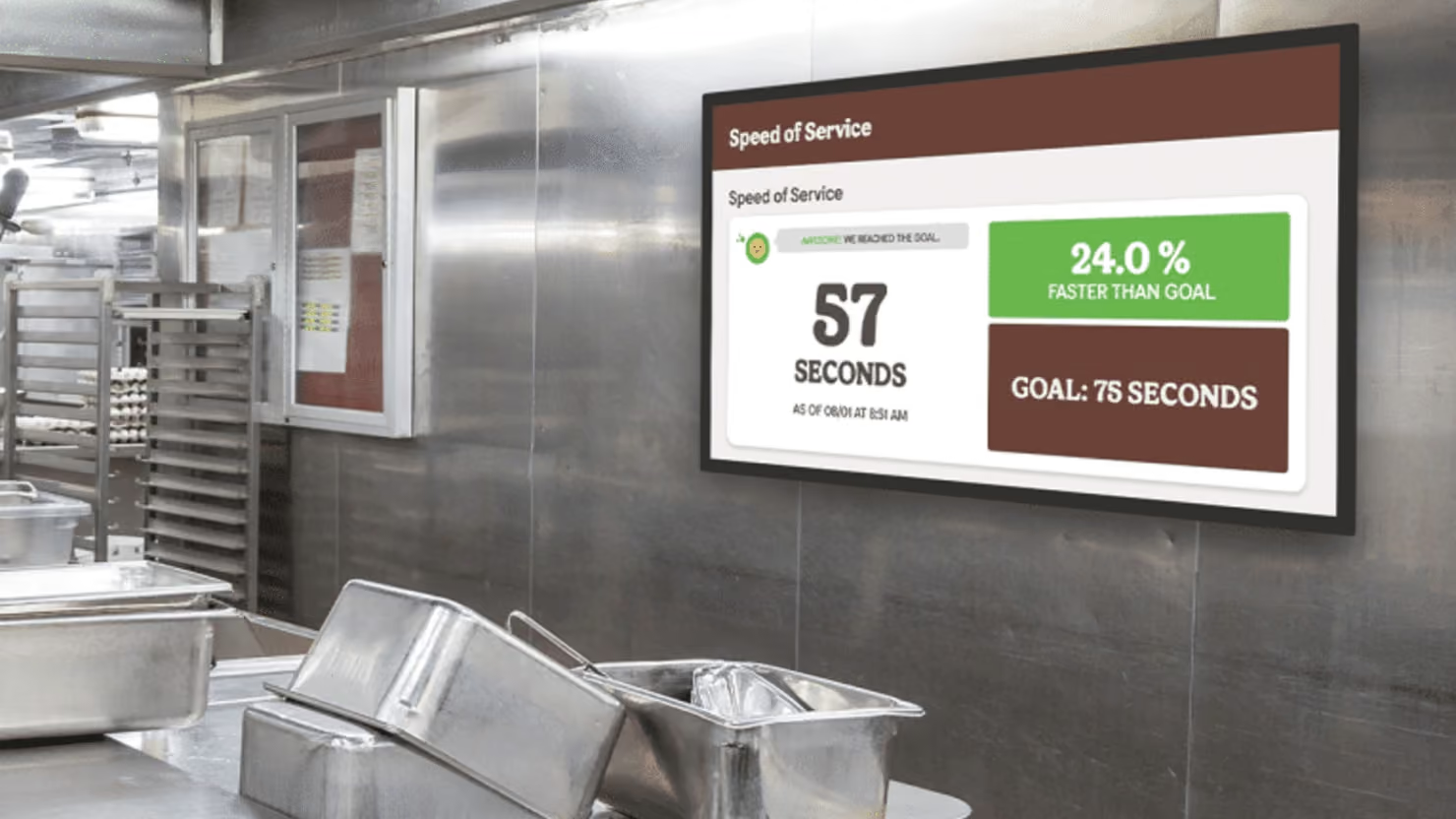
A prominent overlooked aspect of the successful implementation of a digital signage system is having the necessary skills to operate and manage it. Having a training program that covers everything from content creation to basic troubleshooting can help your employees feel more confident about using the system. Image courtesy of Shift.
Using Shift to Leverage Campus Life
Educational institutions can greatly benefit from a Shift digital signage solution, which aids in improving communication and enhancing the experience of students. It enables real-time distribution of emergency notifications and event schedules, as well as interactive and multimedia presentations that foster a more tech-forward atmosphere and increase engagement. Moreover, it simplifies content management and lowers paper expenses.








.avif)