.avif)
By Theresa Bontempo
An employee resource group (ERG) is an effective way to boost employee engagement, develop leadership capabilities, and support business goals by fostering a sense of belonging. These groups also help in the acquisition and retention of talent, as well as provide a platform for feedback that can help drive innovation.
Creating a Fair Workplace
The concept of inclusion refers to the extent to which a company's systems and people strive to create a fair and welcoming environment for all workers. ERGs can help employees feel more included in the organization by making them feel like they belong.
Being part of an ERG can help workers feel more authentic at work and derive more purpose and meaning from their job. The infrastructure and systems of an ERG can help strengthen fairness and acceptance among various groups within the company which can also help promote the visibility of certain underrepresented groups.
ERGs can also help with the recruitment process by participating in various recruiting events and panels. Their participation shows the potential employees that the organization has a welcoming atmosphere. They can also support the advancement of their members by sponsoring individuals within or outside the organization, where they can additionally help improve the retention of certain groups by working with leadership and HR.
Visibility
Fostering a culture of diversity and inclusion within the company can help ERGs drive social impact and improve the brand's visibility. They can also help promote charitable giving and volunteer activities in their local communities.
Companies can gain a deeper understanding of their customers through ERG inputs, allowing them to offer products that cater to certain groups. Moreover, ERGs can reform business procedures when members of such communities raise concerns about unfair practices.
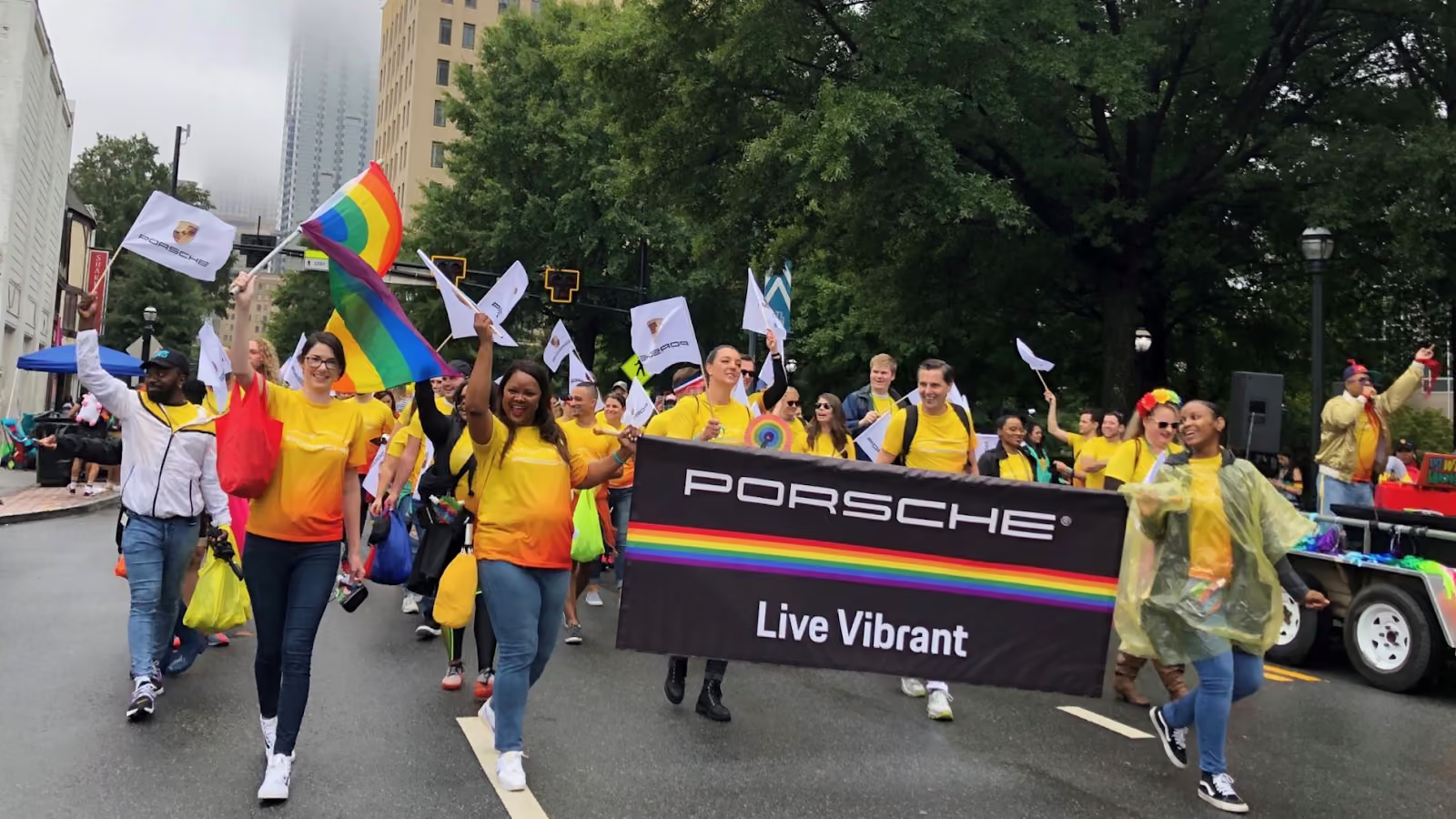
For example, if an organization's LGBTQ+ ERG is active, they can lead by example by organizing events such as Pride marches. If an organization's ERG wants to expand its scope of activities, its leadership should determine how it can take on new roles such as contributing to the corporate giving strategy or debiasing internal processes. Image courtesy of Porsche Newsroom.
ERG Goals
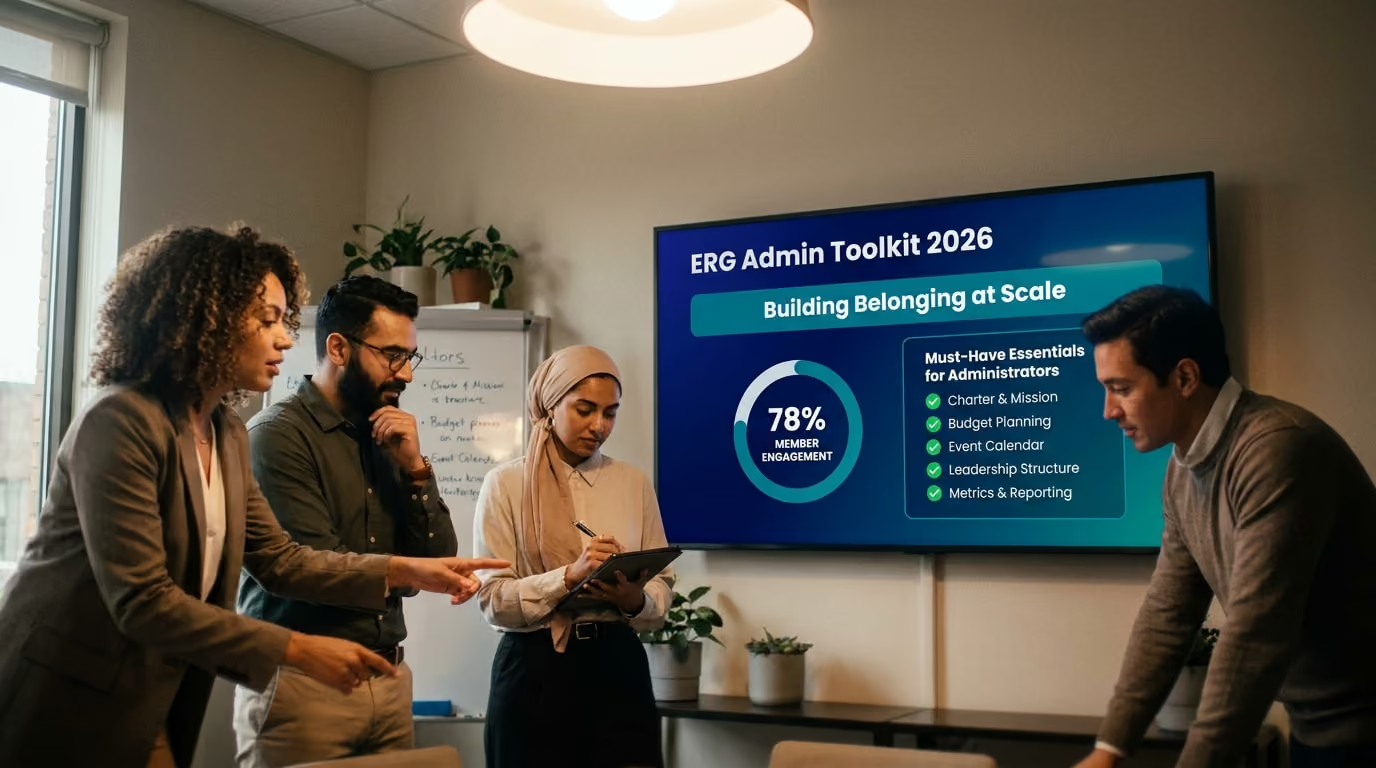
Effective ERGs establish a clear purpose and align themselves with the company's DEI strategy. They can do this by developing a charter that clearly states their objectives, establishing an annual plan that outlines their initiatives, and identifying who should be responsible for the programs. They can also establish metrics to measure the effectiveness of their programs and initiatives, as well as solicit feedback and suggestions.
ERGs should have a clear goal and mission, and they should be focused on increasing employee engagement and improving the diversity among management and leadership. They should also set goals that are SMART (Specific, Measurable, Relevant, and Time-based), and they should be measured regularly. This ensures that the program will be impactful, and the responsibilities of the resource groups will be aligned with the company's goals. In addition, it's important that the individuals who will be leading the programs are well-equipped to represent the diverse groups in the organization.
ERG leaders should also ensure that the group operates in accordance with its objectives. Their dedication to making the organization more inclusive fosters the group's impact. Employee resource groups and mentoring are proven tools that can help boost a worker's sense of belonging, and staff resource groups assemble a diverse group of candidates to form a mentorship and mentee alliance that enhances the group's objectives.
These groups need the support of the organization in order to reach their goals and improve the quality of their work. While they should set their own parameters, having the support of an executive sponsor can help them reach their goals. This can be done through various forms of networking and visibility.

Resources and funding are important, and these can include a variety of resources such as staffing, budgets, administrative support, and financial rewards for leaders. These can also directly influence the decisions of the company.
ERG Leadership Needs
The leadership needs of an ERG vary depending on its size and complexity. For instance, a small ERG may have just a few leaders, and this can grow to many as it needs more. Moreover, individual ERGs can also create their own leadership roles typically defined based on their talents.
President
The president or chair of ERG is the group's top leader, and they are responsible for ensuring that the organization fulfills its mission. They also represent the group to external organizations and the company's leadership team.
The president or chair of ERG should have the necessary skills to create a vision and develop a strategy, and connect the group's initiatives with the company's DEI strategy.
Vice President
An executive sponsor or vice president of an employee resource group can be a valuable part of the organization's leadership team. They can provide strategic advice and guidance, as well as help the group's president with planning and operations. Their specific duties can vary depending on whether they are working as an advisory or a formal leader.
Treasurer
The Vice Treasurer of an ERG is responsible for supporting the treasurer in carrying out their duties, such as overseeing the group's finances and ensuring that funds are being used properly. This role may involve assisting with other tasks, especially in smaller ERGs.
Communications
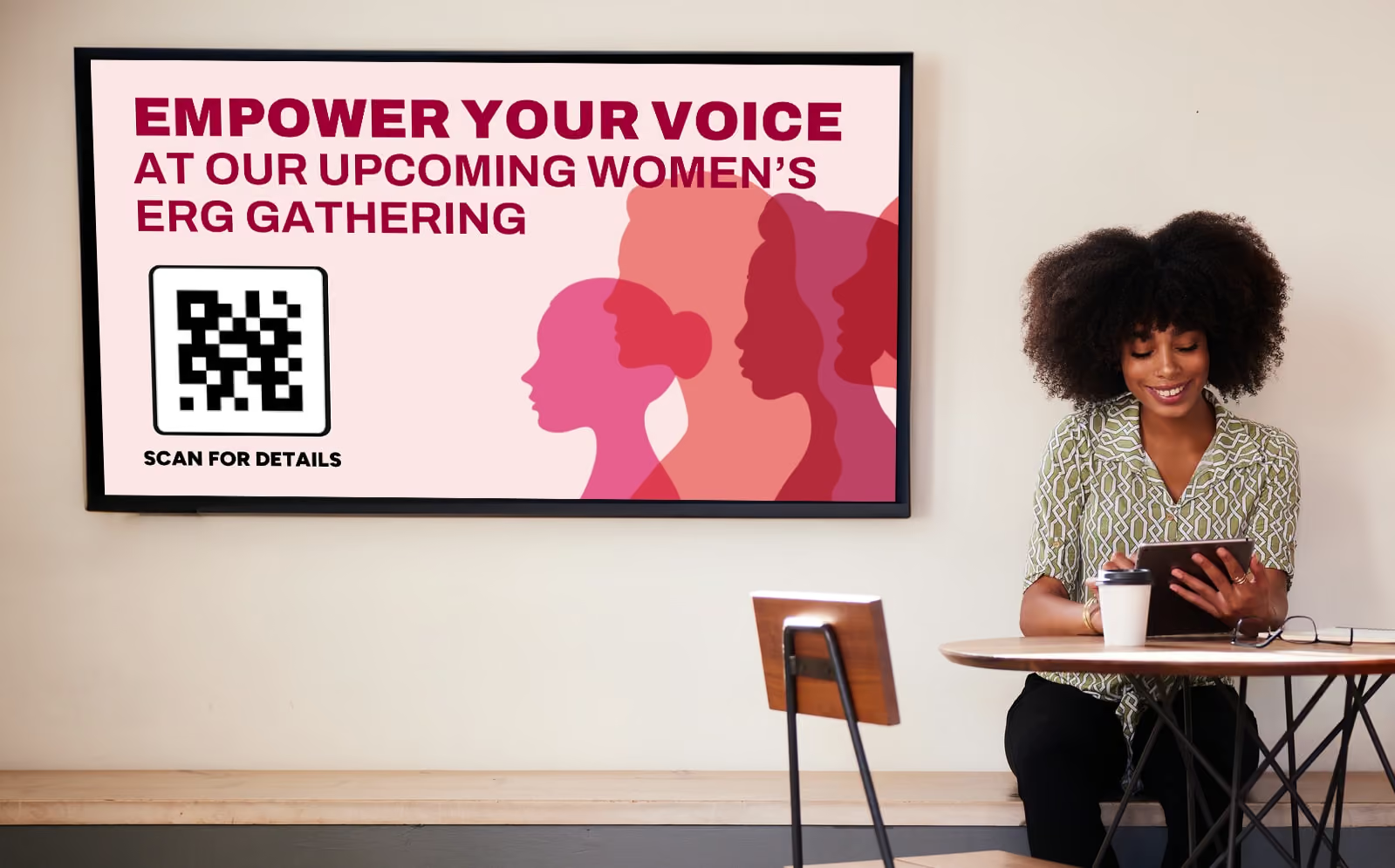
An effective communication strategy helps an employee resource group establish a strong community, promote inclusivity and align its goals with the company’s objectives, and help members gain support for their programs. It also helps strengthen the organization's culture and ensure that all its efforts are focused on being more inclusive.
Keeping members engaged and informed through clear messaging is very important for an employee resource group, as it encourages them to contribute and support the organization's work. A good communication strategy can also help the group reach its goals and improve its performance.
Measuring Success
The success of your ERG program will be determined by its goals and this is a crucial first step before you start reporting on it. To help you determine which of its components is most valuable to the company, you should align your metrics with your organization's overall objectives.
One of the most important factors that you should consider when it comes to implementing an ERG program is the retention of top talent. This can be done through the monitoring of ERG participation and the relationship between employee turnover and the level of belonging. Analyzing the data collected from these groups can help you identify areas of focus and improve the effectiveness of your program.
Communicating Success
One of the most critical factors that you should consider when it comes to developing and implementing an effective ERG program is communicating the program's success. This will allow you to maintain and secure ongoing support from your company and community.
To keep the program's success stories and programming updates up-to-date, create an internal newsletter or an online section dedicated to highlighting the program's achievements. Also, regularly recognize the members of your ERG by holding recognition programs.
To build a stronger value proposition and employer brand, showcase the achievements of your ERGs on your company's social media platforms. Post regularly on your blog, discussing the outcomes and impact of the programs led by your ERG.
You should also present your ERG's achievements to your peers at industry events, as it shows that your company is taking a comprehensive approach to addressing DEI and social impact. Acknowledge the contributions of your ERGs in your annual reports, as well as the various initiatives they have carried out.
Inclusive Communication is Key
Embracing open communication and expressing one's personal experiences and perspectives is vital for ERGs to thrive. Such forms of interpersonal communication ensure that they can achieve their objective of establishing safe spaces.
New groups are often formed spontaneously, as individuals respond to the growing needs of the community or discover shared interests. The resulting environment encourages collective and individual growth by fostering an understanding of each other.
Being able to communicate effectively with all employees is a vital part of any organization’s success. It’s about making sure that everyone is treated with dignity and respect. Aside from being able to use the right words, inclusive communication also involves taking into account the various preferences and experiences of each individual.
Even when employees are using the right terms, biased language can still cause issues in the workplace, and removing offensive terms from the mix can help reduce tensions and distress. Another step toward making the environment more inclusive is to adopt a more neutral language which can help reduce misunderstandings.

Employees want to work for companies that are inclusive and ethical. Customers also want to know that businesses they are buying from are ethical and progressive.
Inclusive Communication is a Process
When implemented without sufficient preparation, guidelines or rules may be perceived as an attempt to politically correct employees or an attempt to unjustly police them. This is why it is important to raise awareness about this subject.
One of the most important steps in making your communication more inclusive is ensuring that everyone in the organization can access it. This can be done by having the proper tools and resources to deliver effective and timely messages. One of the most effective ways to improve communication is by developing a mobile app that can be easily accessed by employees. This will allow them to keep up with the latest developments in the organization and connect with their coworkers.
Unique Communication Styles
Employees have their own communication preferences and styles. For instance, some may prefer to receive written information, and others prefer to make phone calls. Having an agenda ahead of the meeting can help people focus and contribute more effectively. On the other hand, some may prefer to participate in virtual meetings.
One of the easiest ways to establish an inclusive culture is by offering different communication styles. Since everyone has their own unique communication preferences, it's important to consider how to approach this process. One of the best ways to get an idea of what employees prefer is to survey them and then provide them with options.
Accommodation for Everyone
Employees with certain disabilities may need additional accommodations so they can effectively participate in your company's communication. This may include accommodations for visual aids, closed captions, and additional processing time.
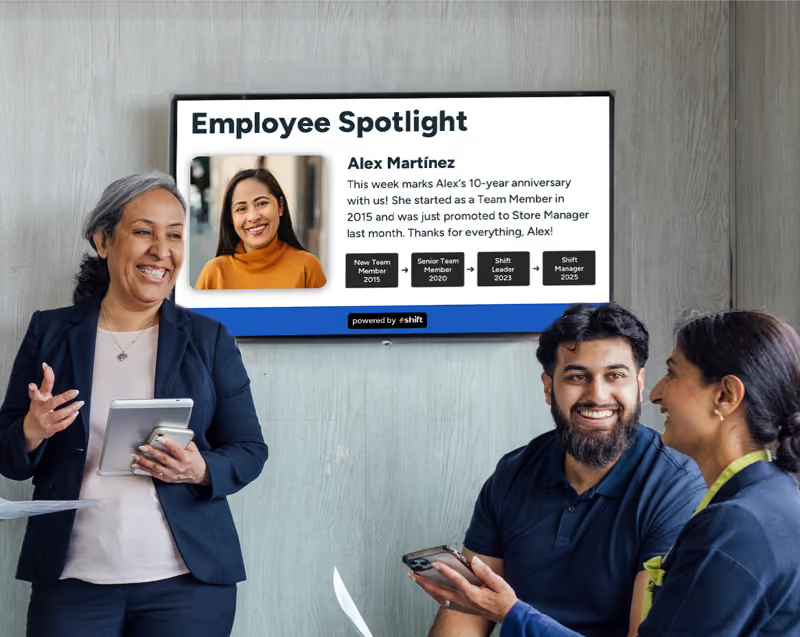
Digital displays can be integrated with other channels to provide additional accommodations. The Shift platform, which primarily utilizes televisions in employee-only areas, can be utilized to create interactive methods and enhance content. Complex data and business insights can be presented visually to help employees improve their understanding and reduce their cognitive load. Infographics can show process flow diagrams and performance metrics, which can help them quickly understand important information.
Without the proper resources and guidance, your employees, managers, and leaders may not be able to make changes to their communication styles, which is why training is important. This can be conducted in-person or through a variety of online courses that are designed to help leaders and managers become more knowledgeable about the importance of inclusive practices.
One-time training sessions are not enough to make a significant impact on the culture of your company. Instead, you should regularly hold refresher courses that are designed to help everyone stay focused on the goal of making communication more inclusive.
Overall, working with ERGs does an effective job at helping leaders identify areas of opportunity and challenges, which will only lead to continued company success over time.