

Hotels are, by design, built for hospitality — warm lighting, welcoming lobbies, and a sense of comfort that puts guests at ease the moment they walk in. But behind that hospitality is a responsibility that hotels can never forget about: keeping guests and staff safe. From fire evacuations and severe weather to health emergencies and everyday hazards like wet floors or pool rules, hotels face a wide range of safety scenarios every single day. And these instances often involve guests who are unfamiliar with the building, the local area, or even the language being spoken around them.
Traditional safety communication — laminated signs, printed evacuation maps taped to the back of hotel room doors, occasional announcements over a PA system — was built for a slower, more static world. It doesn't adapt in real time, it's easy to overlook, and it can't respond to a situation as it unfolds. Digital signage changes the game entirely, and in the best way possible. It gives hotels a dynamic, always-on communication channel that can deliver the right safety information each and every time.
But how can you incorporate it into your hotel? That’s a great question, and why we’ll be covering:
- Why safety signage is so essential in the hotel industry
- How digital safety signage benefits both guests and staff
- Actual examples of the kind of safety content hotels are putting on screens today
- The digital signage platform that belongs in your hotel
Why Digital Signage for Safety in the Hotel Industry is Essential
There are all kinds of safety situations that need to be addressed each day in hotels across the world

Every industry has safety considerations, but hotels face a unique combination of factors that make safety communication especially challenging — which is why it’s especially important to get it right.
Guests Are Unfamiliar With the Property
Unlike an office or a retail store where the same people move through the same space every day, hotel guests are, almost by definition, first-time visitors to the building. They don't know where the stairwells are, which exits lead outside, or what to do if an alarm sounds. Every guest that checks in is effectively starting from zero in terms of safety awareness, which means hotels have to re-communicate essential safety information continuously, to a constantly rotating population.
Hotels Operate Around the Clock
A hotel never fully closes. Guests are arriving, sleeping, dining, and moving through common areas at every hour of the day and night. Safety risks don't follow a nine-to-five schedule either — a kitchen fire, a severe storm, or a medical emergency can happen at 3 a.m. just as easily as 3 p.m. Static signage can't adjust to changing conditions overnight, but digital signage can display updated information instantly, any time it's needed.
Language and Accessibility Barriers Are Common
Hotels, especially in tourist destinations and major cities, host guests from around the world. A printed evacuation map with small text in a single language may be functionally useless to a guest who doesn't read that language fluently, or if they have a visual impairment. Digital signage available in high-traffic areas can rotate through multiple languages, use universally recognizable icons, and pair visuals with clear, simple messaging in a way that static print materials generally cannot.
Hotel Property Is Large, Complex, and Multi-Purpose
A hotel isn't a single room — it's a sprawling combination of guest floors, lobbies, ballrooms, restaurants, pools, fitness centers, parking structures, and back-of-house areas. Each of these spaces carries different risks and requires different safety information. A pool area needs depth warnings, lifeguard on duty information, and no-diving notices, while a ballroom hosting a large event needs clear exit signage for a crowd. Digital signage allows safety content to be tailored to each specific location rather than relying on generic, one-size-fits-all messaging.
Reputational and Legal Stakes Are High
Beyond the moral obligation to protect guests and staff, hotels face significant reputational and legal exposure when safety communication fails. A poorly handled emergency can result in guest injuries, lawsuits, regulatory penalties, and lasting brand damage that shows up in online reviews for years. Clear, visible, well-documented safety communication isn't just good practice — it's a critical part of risk management.
Trust Is Central to the Guest Experience
Guests choose hotels based on comfort and trust. Feeling safe is a foundational, if often unspoken, part of that trust. When guests can see that a property takes safety seriously — through clear signage, visible emergency information, and well-communicated protocols — it reinforces the sense that they made the right choice, even if they never experience an actual emergency during their stay.
Emergencies Move Fast, and So Must the Response
Fires spread within minutes, severe weather can shift direction with little warning, and medical emergencies require an immediate, coordinated response. In these moments, the difference between a calm, well-managed situation and a chaotic one often comes down to how quickly accurate information reaches the people who need it. A printed sign can't be updated once conditions change; a digital screen can display new instructions the instant staff or emergency systems flag a change in the situation. That speed is often the single biggest safety advantage digital signage offers over traditional methods.
How Digital Safety Signage Benefits Hotel Guests and Staff
Using digital signage to get across safety information is one of the best moves you can make in the hotel industry
The value of digital safety signage in hotels isn't limited to emergencies. When it’s done correctly, it improves day-to-day safety awareness and operational efficiency for everyone in the building.
Benefits for Guests
Faster, clearer emergency response. In the event of a fire, weather event, or other emergency, digital signage can display real-time evacuation routes, shelter-in-place instructions, or updated guidance based on which exits are safe to use — information that's far more actionable than a static map guests may not have looked at since check-in.
Reduced confusion and panic. Clear, calm, well-designed messaging during an emergency helps prevent the kind of confusion that can turn a manageable situation into a dangerous one. Visual cues, simple language, and consistent messaging across every screen in the building help guests know exactly what to do without guesswork.
Better accessibility. Multilingual rotation, high-contrast visuals, and icon-based messaging make safety information accessible to a much broader range of guests, including those with limited English proficiency or visual impairments.
Everyday hazard awareness. Not every safety message is about a major emergency. Reminders about wet floors, pool depth and rules, elevator maintenance, or construction areas help guests avoid everyday injuries during their stay.
A greater sense of security. Even when nothing is wrong, visible safety information — clearly marked exits, posted emergency contacts, visible protocols — reassures guests that the property is prepared, which contributes to overall guest satisfaction and trust in the brand.
Benefits for Staff
Faster internal coordination during emergencies. Digital signage in back-of-house areas, break rooms, and staff corridors can relay real-time instructions to employees during an emergency, helping coordinate evacuation assistance, crowd management, or communication with first responders.
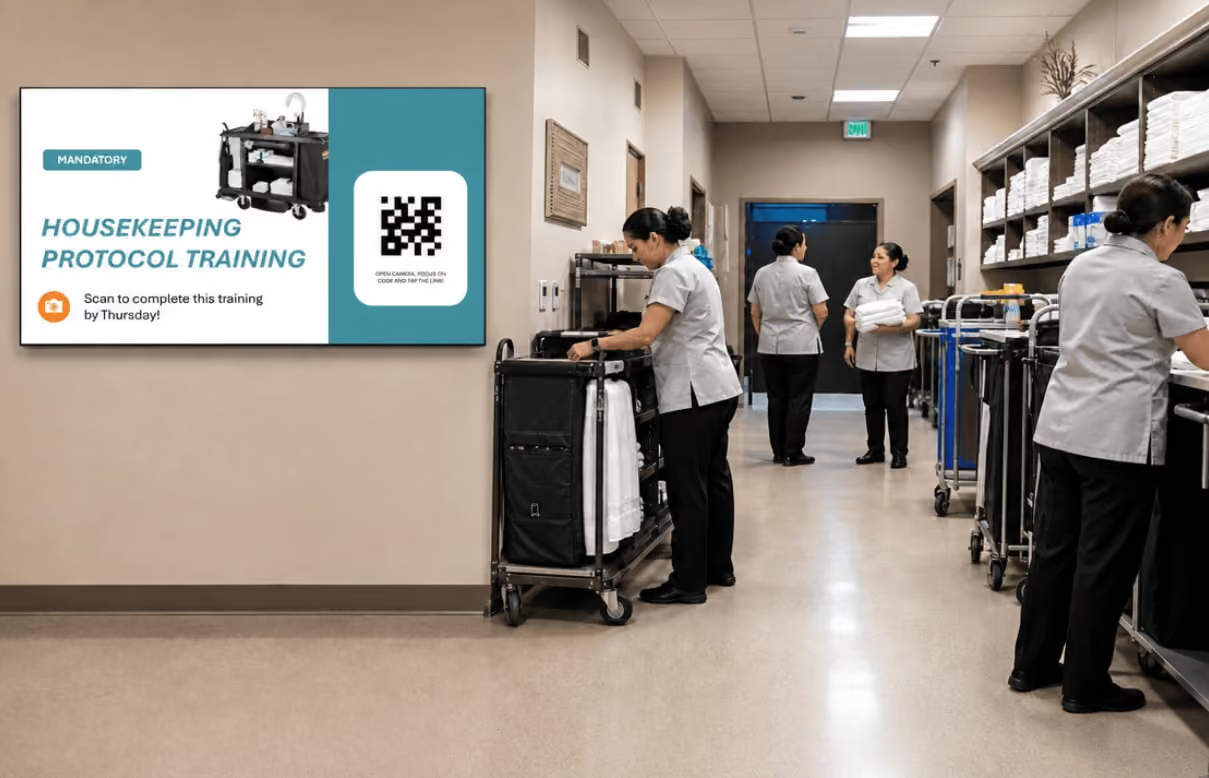
Consistent training reinforcement. Screens in staff areas can rotate safety training reminders, protocol updates, and reminders about proper procedures for handling hazardous materials, food safety, or equipment use — reinforcing training beyond a single onboarding session.
Reduced liability and improved compliance. Digital signage makes it easy to keep safety and compliance information current, ensuring staff always have access to up-to-date protocols rather than outdated printed materials that may not reflect the latest procedures or regulatory requirements.
Improved communication across shifts and departments. Hotels operate with rotating shifts and multiple departments — front desk, housekeeping, food and beverage, maintenance, security. Digital signage in staff-only areas helps ensure safety-related updates reach every shift consistently, rather than relying on verbal handoffs that can lose detail over time.
Quicker response to changing conditions. Whether it's a weather alert, a maintenance issue, or a security concern, staff can receive updated guidance instantly through digital signage, allowing for a faster, more coordinated response.
Better documentation and accountability. Many digital signage platforms log what content was displayed and when, giving hotel management a clear record of safety communications during and after an incident — useful for internal reviews, insurance claims, or regulatory reporting.
Ready to Use Examples of Digital Safety Content for Hotels
If you want to create stellar safety content that gets noticed and remembered, add these ideas to your screens
Understanding the value of digital safety signage is one thing — knowing what to actually put on the screen is another. Here are specific, practical examples of digital safety content hotels can use throughout their properties.
1. Real-Time Evacuation Maps
Interactive or auto-updating maps displayed in hallways and lobbies that highlight the nearest safe exit based on current conditions, rather than a single static route.
2. Fire and Emergency Alerts
Instant, building-wide alerts that override regular content the moment an emergency is detected, displaying clear instructions and directing guests and staff to appropriate exits or shelter areas.
3. Severe Weather Notifications
Automated weather alerts — hurricane warnings, tornado watches, flash flood alerts — pulled from local weather services and displayed immediately across lobby, hallway, and guest-facing screens.
4. Pool and Recreation Area Safety Rules
Rotating reminders about pool depth, no-diving zones, lifeguard hours, and capacity limits displayed on screens near pools, hot tubs, and fitness centers.

5. Multilingual Emergency Instructions
Safety messages that automatically rotate through multiple languages, ensuring international guests receive the same critical information as English-speaking guests.
6. Wet Floor and Maintenance Alerts
Digital alerts near spills, ongoing cleaning, or maintenance zones, updated instantly rather than relying on a physical cone or sign being placed and removed manually.
7. Elevator and Stairwell Safety Guidance
Reminders near elevators about proper use during a fire alarm (such as directing guests to use stairs instead), paired with wayfinding to the nearest stairwell.
8. Illness Protocols
Updated health and hygiene guidance, including mask policies, hand sanitizing station locations, or illness reporting procedures, especially useful during flu season or public health advisories.
9. Security and Front Desk Contact Information
Persistent, easy-to-find contact information for hotel security or the front desk displayed in hallways and common areas, so guests always know how to report a concern quickly.
10. Staff-Only Emergency Protocol Reminders
Back-of-house screens displaying step-by-step emergency response procedures for staff, including who to contact, evacuation assistance responsibilities, and communication protocols with first responders.

11. Active Shooter and Lockdown Procedures
Where applicable and appropriately handled, discreet staff-facing signage that reinforces lockdown or shelter-in-place procedures, ensuring staff can respond quickly without needing to recall training from memory alone.
12. Construction and Renovation Area Warnings
Clear notices that redirect guests around active construction or renovation zones, reducing the risk of accidental injury in areas that may not be part of a guest's expected path through the property.
13. Parking Garage and Structure Safety Notices
Digital signage in parking areas displaying safety reminders, emergency call box locations, and clear directional guidance to help guests move safely and confidently through less-trafficked areas of the property.
14. Emergency Assembly Point Directions
Clear, simple guidance directing guests and staff to designated assembly points outside the building during an evacuation, reducing confusion about where to go once outside.
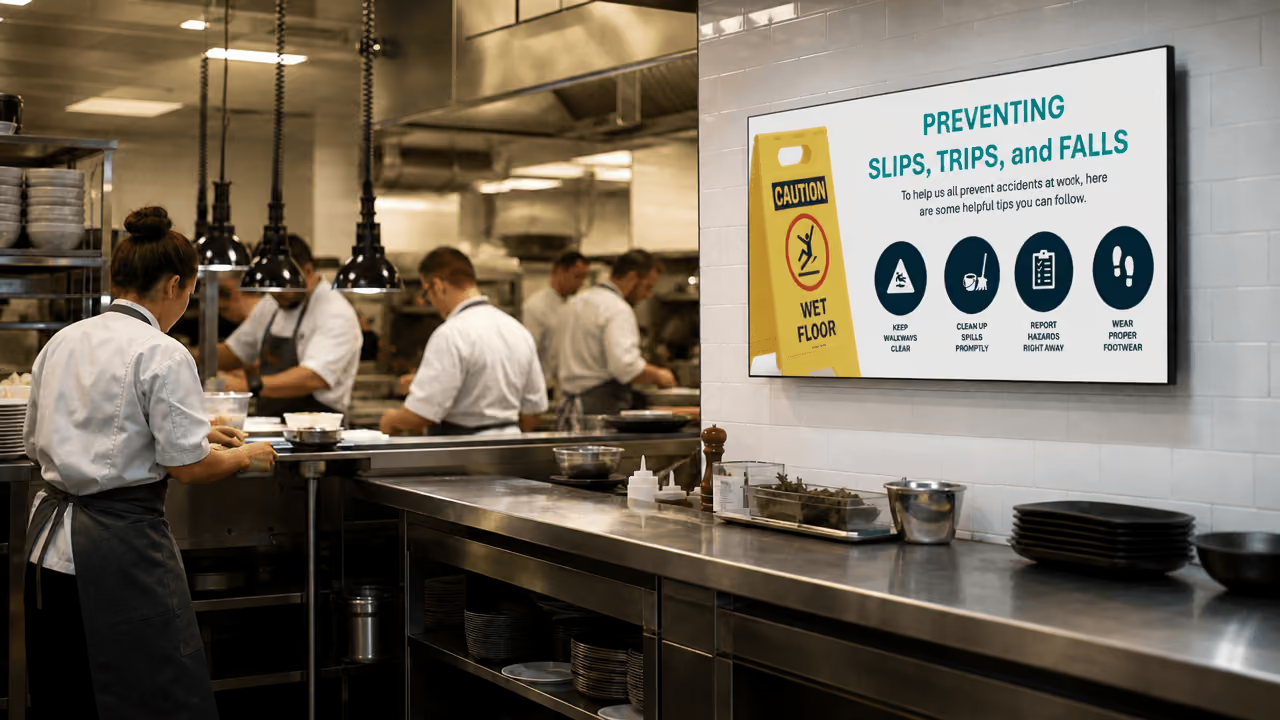
15. Kitchen and Back-of-House Hazard Reminders
Screens in kitchens and food prep areas can feature rotating reminders about equipment handling, burn prevention, food safety temperatures, and proper use of protective gear, keeping high-risk procedures top of mind for staff working in fast-paced conditions.
Use Shift to Display Safety Content in Your Hotel
Shift is a digital signage platform that makes it easy to bring safety content (as well as a variety of other useful information) in front of guests and staff. Just simply plug and play with easy access to your account, you can start creating safety content the same day. Whether you want to use one of the many templates available, or create your own, Shift can be used for all kinds of essential safety information. But that’s not all! You can also create content that is both guest and staff-facing, including:
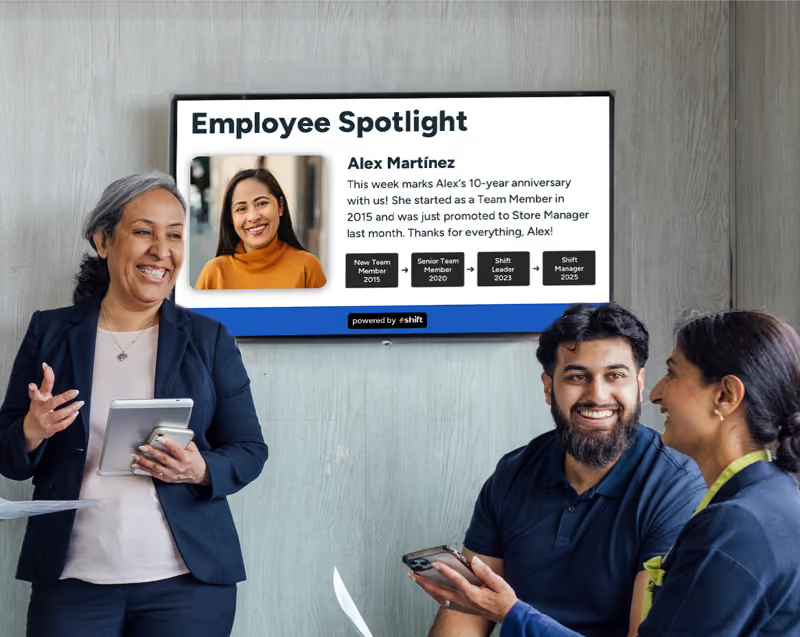
- Hotel employee recognition through spotlights, work anniversaries, achievements, and birthdays
- Access to training materials and quick refreshers
- Assisting with onboarding
- Wayfinding for guests
- Internal company communications specifically for hotel brands
- Posting safety or emergency alerts
- Surveys for staff through QR codes
- Real-time information like occupancy and inventory lists
- Ways to promote cross-selling and upselling opportunities to guests
- Hotel event schedules
- Menu boards for restaurants
- Weather updates
- Maintenance updates
- Hotel amenity information
- And so much more!
Digital signage gives hotels the ability to communicate safety information clearly, instantly, and consistently — across languages, departments, and shifts — while also reinforcing the sense of trust and preparedness that guests expect from a well-run property.