By Theresa Bontempo
A digital signage system is a combination of hardware and software that enables organizations to create and manage content, which can provide a variety of effective and engaging messages through high-quality displays.
One of the main advantages of digital signage is its flexibility. Its content can be customized to meet specific needs, making it an ideal tool for different applications, such as hospitality and retail. One of the most critical factors that a digital signage system must consider is the creation and management of its content. This includes the ability to control the displays remotely, which can also support various media formats, making it an ideal solution for different applications.
Ensuring Safety
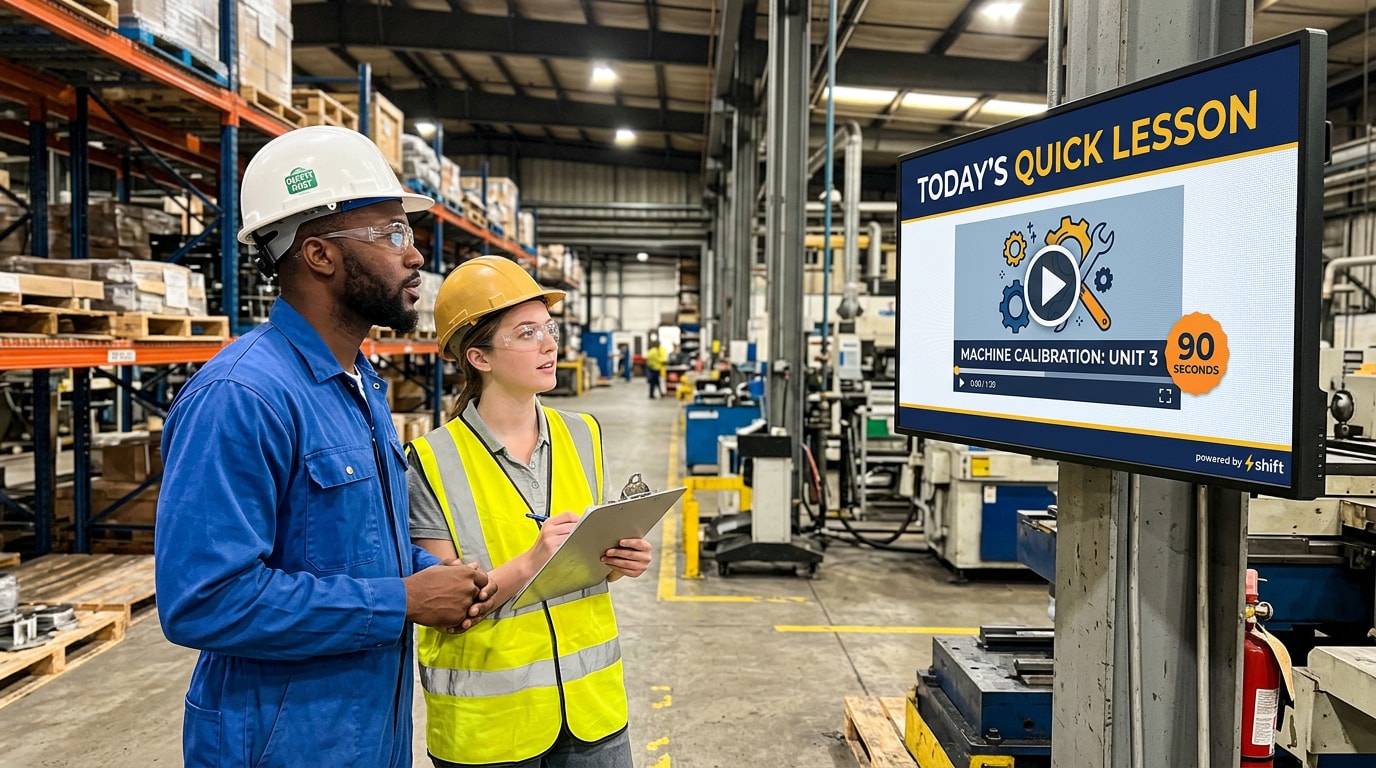
In manufacturing facilities, high-quality digital signage can help improve safety and productivity. These solutions can effectively relay critical safety information, implement emergency procedures, and optimize training initiatives, all while ensuring that the guidelines follow OSHA's legal requirements. In addition, real-time data can help boost operational effectiveness.
Keeping the team informed about company updates and maintenance procedures is effortless. Facilitating their participation in the creation of content promotes skill development and morale, and wayfinding solutions create a more connected work space by facilitating navigation.
Efficient use of digital signage can help ensure the safety and compliance of an organization's work environment. It can provide workers with updated safety protocols and emergency procedures, and it can also remind them about equipment maintenance.
Displaying relevant legislation and regulations from OSHA helps ensure that the organization is following legal standards. Communicating incident response procedures can help prompt reports of potential hazards.
The creation of employee-generated content can be a key component of a digital signage strategy, as it can help foster a more collaborative environment and encourage team building. Feedback can help shape the content and resonate with the team, boosting morale and developing relationships.
Providing training through digital signage can help enhance knowledge sharing and skill development. Communicating performance reviews results in better accountability, and wellness initiatives are more concerned with the well-being of workers. Creating content that is generated by employees can also help build a culture of solidarity and participation within the workplace.
New lobby systems offer a streamlined wayfinding solution for manufacturing facilities. These help improve efficiency by directing staff members and visitors to their intended destinations. Interactive displays offer a variety of experiences that can help disseminate information efficiently.
Wayfinding solutions assist in simplifying the wayfinding process, encouraging more engaged and productive workers. Digital signage in manufacturing facilities can help improve the operational efficiency of their operations by displaying production data and real-time metrics. Having the necessary performance tracking can help identify areas for improvement and evaluate productivity levels. Advanced displays can also help streamline manufacturing processes.
The analysis of efficiency can help organizations identify areas for improvement and implement strategies to improve their processes. Its insights can then guide initiatives that will enhance their operational effectiveness.

Maintenance schedules and alarms can be displayed, which can help minimize downtime. With the ability to monitor production data and metrics, digital signage can help manufacturers make informed decisions and continuously improve their operations.
Internal Communications
Getting the most out of your internal communications is often a struggle, especially when it comes to keeping employees engaged and informed. This is why digital signage can help as it can provide a visual and immediate solution to keep employees informed.
Digital signage can provide instant visibility, making it hard to ignore the messages that are displayed. Whether it's in an office entrance or in a break room, it can command the attention of employees. Unlike other methods, digital signage works by delivering updates in real time, which eliminates the need for you to overwhelm your audience. It also allows you to keep employees engaged and informed by delivering content that's constantly changing.
Digital signage can significantly increase engagement, with elements like vivid imagery and targeted messages. These can captivate and motivate interaction, whether it's promoting company news or reminding employees about upcoming training sessions.
Consistency & Convenience
One of the most important factors that businesses consider when it comes to implementing digital signage is consistency. It can help them keep their employees informed about important events and activities, regardless of their location.
Printed materials can lead to a lot of waste when it comes to internal communications. Utilizing digital signage minimizes the need for paper, which makes your approach more eco-friendly and more cost-effective.
Switching to digital signage will not only improve your company's efficiency, but it will also establish a more engaging and transparent workplace. Eliminating miscommunication and promoting a more positive work environment will result in a boost in morale.
Call to Action
One of the most effective ways to encourage employees to take action is through digital signage which can be done through calls-to-action.
CTAs should be direct and concise, and they should not leave employees unclear as to what they should do next. Unlike traditional forms of communication, digital signage provides employees with critical messages that they can easily see.
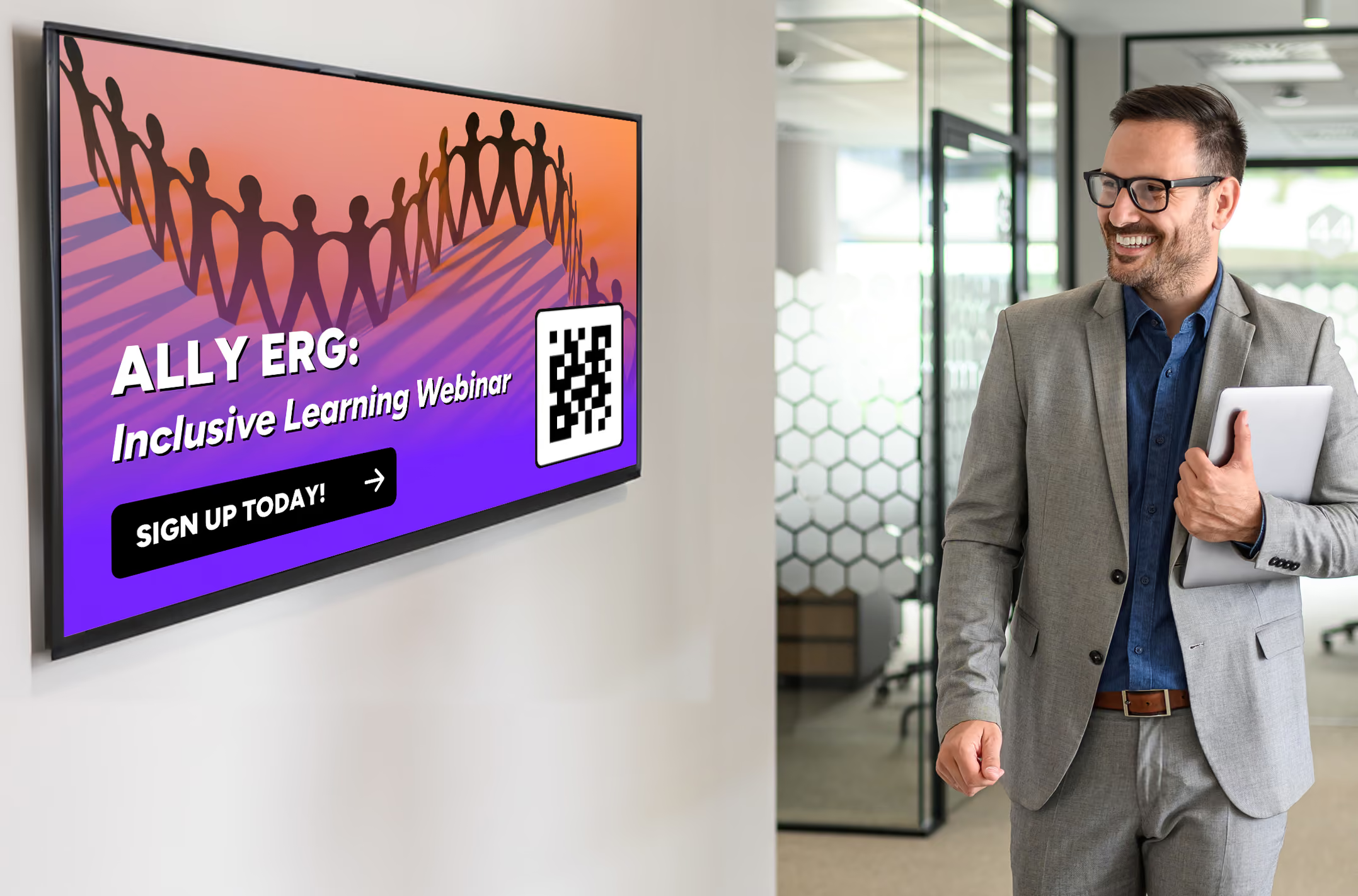
The goal of a call-to-action is to make it easy for employees to complete a task, such as signing up for an upcoming webinar or reviewing a document, without overwhelming the rest of the information.
.avif)
If you’re planning on using digital signage in your strategy, make sure that it’s designed to be visible and commands the attention of your target audience. This will allow you to streamline your processes and increase the effectiveness of your communication efforts. Image courtesy of Shift.
Employee Generated Content
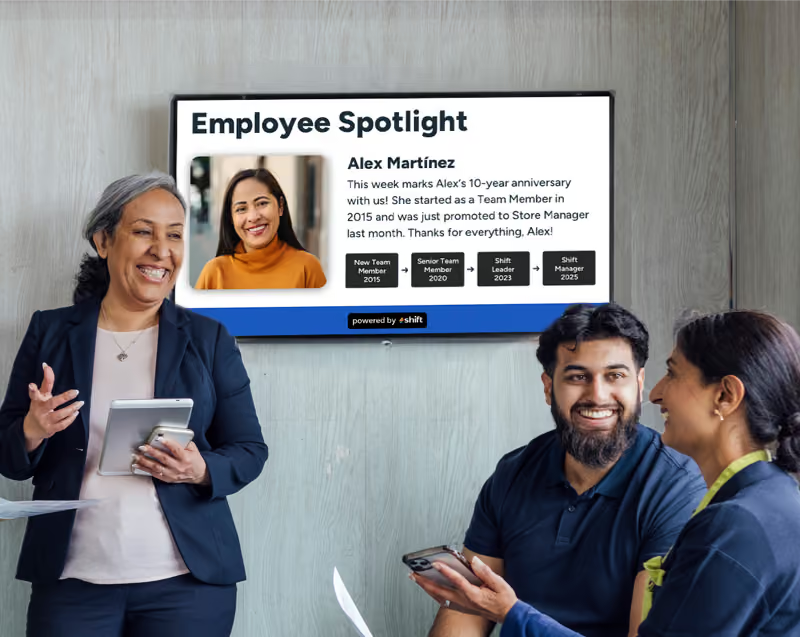
One of the most effective ways to improve engagement is by having employees participate in the creation of content. This can be done through various forms of recognition, such as team achievements and social events. In addition, displaying photos of employees or promoting recognition programs can help build a stronger connection with the content.
Being able to publicly acknowledge the efforts of employees helps strengthen the company's culture and promotes their value. You can also let them participate in the creation of content by allowing them to provide suggestions. This type of engagement can transform digital signage into an interactive tool that encourages interaction.
By implementing these proven content strategies, you establish an internal digital signage system that surpasses the limitations of a basic communication tool. Internal digital signage should serve as an integral part of your company's overall communication strategy, as it creates an engaging environment and reinforces information that is both meaningful and actionable.
Content Strategy
Content strategies are essential when it comes to implementing a digital signage solution within an organization. They involve coordinating the various elements of the system's content, such as images, videos, and messages.
A well-designed strategy can result in a more engaging and effective digital signage system. This can be achieved by creating a schedule for updates, working with various departments, and utilizing analytics to measure the effectiveness of certain elements.
A good digital signage platform can integrate with analytics tools to help organizations create and distribute content that is relevant to their target market. It should also be able to provide a consistent and tailored style and tone for the intended audience.
Zoning & Government Ordinances
Getting the proper zoning and local government regulations is very important when it comes to installing digital signage. These regulations help ensure that the systems are used properly and maintain the appearance of the community.
In accordance with local zoning laws, digital signage can be placed in areas categorized as industrial, commercial, or residential.Although commercial areas can allow the use of digital signs, residential areas usually have restrictions on their height and size. These laws aim to keep the displays in proportion to the surrounding area so that they can meet the community's standards while also complementing the environment.
In most cities, businesses are required to get the proper permits to install digital signage. These permits are usually issued based on the details of the project, such as the type of lighting conditions, and how the signs will interact with the public. Before implementing a digital signage solution, it's important that the company secure all the necessary permits.
Compliance with ADA
Being in compliance with ADA regulations is also important for businesses that are planning on implementing digital signage. This law ensures that disabled individuals have an easier time navigating through store directories and interactive kiosks. It makes it less likely for them to buy from establishments that do not make the systems accessible. Not being in compliance with ADA can lead to various legal issues and costly redesigns.
Content creation is the first step in ensuring that the signs are in compliance with ADA. Businesses should use large fonts and text sizes to make the displays easier to read for people with visual impairments. In addition, the colors used should have a high contrast effect to make the signs more distinct. Touchscreen directories are also popular in certain environments, but they should have features such as audio descriptions and braille.
While it's important that businesses put as much content as possible on their digital signs, they should refrain from overproducing visual clutter. This can help customers quickly absorb important information, especially in busy environments. Having clear and easy-to-read content can help businesses attract more potential customers.
One of the most critical factors that businesses should consider when it comes to implementing digital signage is ensuring that the system is operational and up-to-date. This can help prevent potential issues that could affect the user experience or safety of the public. Having the necessary software updates can help prevent signs from malfunctioning, for instance when there are traffic delays in a parking lot.
By following technical standards, companies can avoid costly fines and enhance the experience of their customers. Not following the regulations set by the ADA or violating local zoning laws can result in costly fines and legal action from regulators and governments. In some cases, local officials will seize the signs and prevent them from operating until the owners take immediate corrective measures.
Non-compliance with ADA or local zoning laws can have a negative impact on a company's reputation, and it can also lead to negative feedback from customers on social media and various other platforms.

Customers might leave a business if they encounter issues with the system or confusing content, and even just one single negative review can severely affect a company's standing in the community.
Work With Shift to Simplify Regulations Training
Shift can help organizations develop and implement effective compliance training programs that are designed to meet the evolving legal requirements. Its features such as interactive eLearning and robust reporting allow them to create and maintain a culture of compliance.
Shift's approach is to combat the dry nature of compliance training by utilizing various media such as videos, simulations, and gamification. This creates a more engaging and practical environment for participants.
The regulations and standards of the industry are constantly changing. With the help of Shift's platform, you can keep up with the changes and ensure that your training remains relevant.
With the help of real-time dashboards and analytics, managers can monitor the effectiveness of their training programs and identify areas for improvement. They can then make informed decisions and improve the efficiency of their training initiatives.