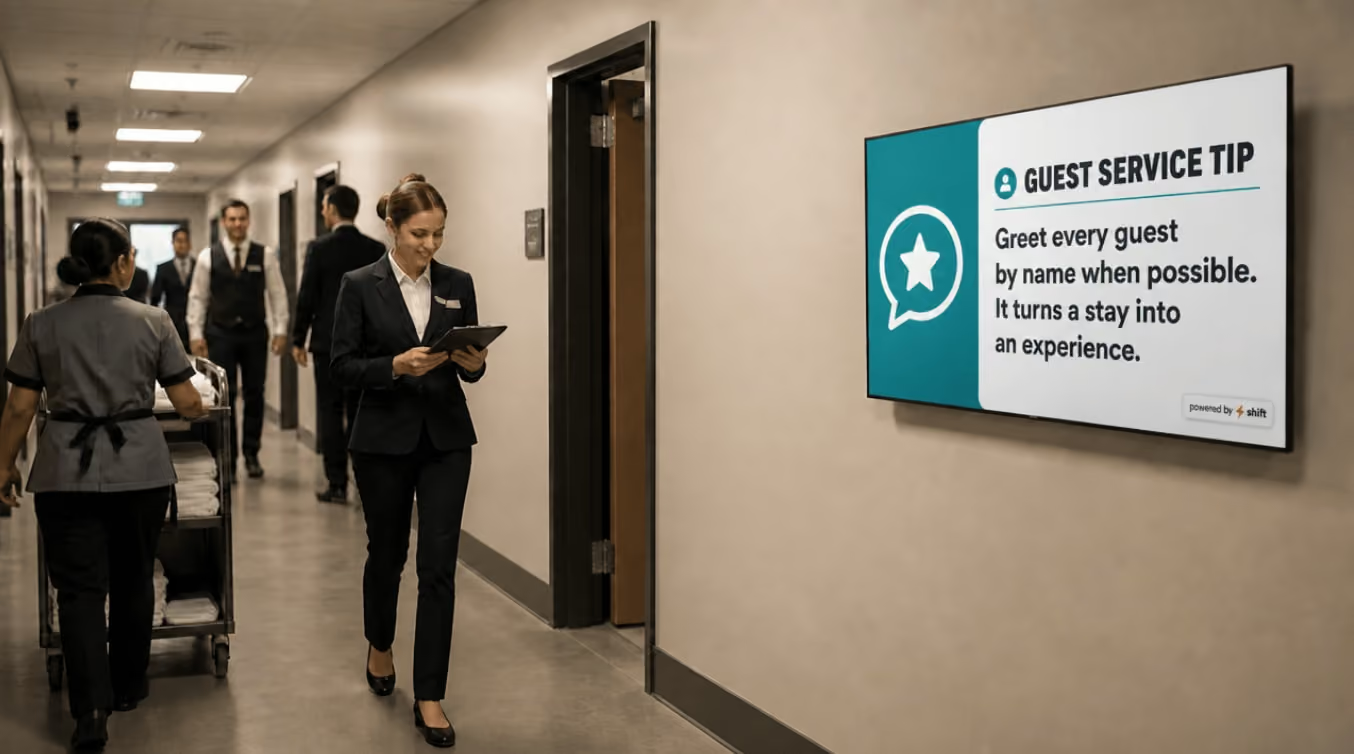
Hotels are 24-hour operations run by hundreds of people who rarely sit at a desk, rarely check a company email, and almost never gather in one room at the same time. Front desk agents work early mornings. Housekeeping works mid-shifts. Banquet and restaurant staff work nights and weekends. Engineering and security cover overnight. By the time a general manager wants to share a new promotion, a policy change, or a shout-out for a job well done, that message has to travel through a workforce that's almost never in the same place twice.
This is exactly the problem internal marketing is designed to solve — and exactly why digital signage has become one of the most effective tools hotels have at their disposal. If you want to know how to pull it off, keep reading because we’ll be discussing:
- Why digital signage is essential for internal marketing in the hotel industry
- Where it it fits in day to day hotel operations
- How to do digital internal marketing the right way
- The digital signage platform you need to pull it off seamlessly
What Internal Marketing Actually Means for Hotels
Why communicating to staff shouldn’t fall to the wayside
Internal marketing is the practice of communicating, selling, and building culture with your own employees the same way you would with guests. In a hotel, that means making sure every staff member — regardless of department, shift, or location — understands the brand story, knows what's being promoted this month, feels recognized for good work, and has the operational information they need to do their job well.
It's easy to think of marketing as something that only points outward, toward guests. But in hospitality, the guest experience is delivered entirely by employees. A front desk agent who doesn't know about a new suite upgrade package can't sell it. A server who hasn't heard about tonight's chef special can't recommend it. A housekeeper who missed the safety briefing on a new chemical protocol is a liability. Internal marketing can get the information leadership wants out there to the floor.
The challenge is distribution. Hotels don't have company-wide meetings every morning. Not every employee has a company email address or checks a shared drive. Most don’t even have a desk. Printed memos in the break room get buried, outdated, or ignored. That's where digital signage steps in as the delivery mechanism internal marketing has been missing.
Why Digital Signage Fits Hotels So Well
Digital signage puts information directly in front of employees at the exact points where they already gather during a shift: break rooms, back-of-house corridors, kitchen pass-throughs, housekeeping supply closets, staff entrances, and management offices. Instead of relying on staff to seek out information, the information finds them.
A few things make this especially valuable in hospitality specifically:
The workforce is distributed and shift-based. A property might run three or four shifts a day across a dozen departments. A single screen in a staff break room can reach every one of those shifts with the same message, updated in real time, without anyone having to hold a meeting or print a new flyer.
Hotels are often part of a multi-property portfolio or franchise. A management company running 20 properties under one or several brands needs a way to push consistent messaging — new SOPs, brand standards, safety alerts, corporate announcements — to every location at once, while still letting each property localize content for its own team and market.
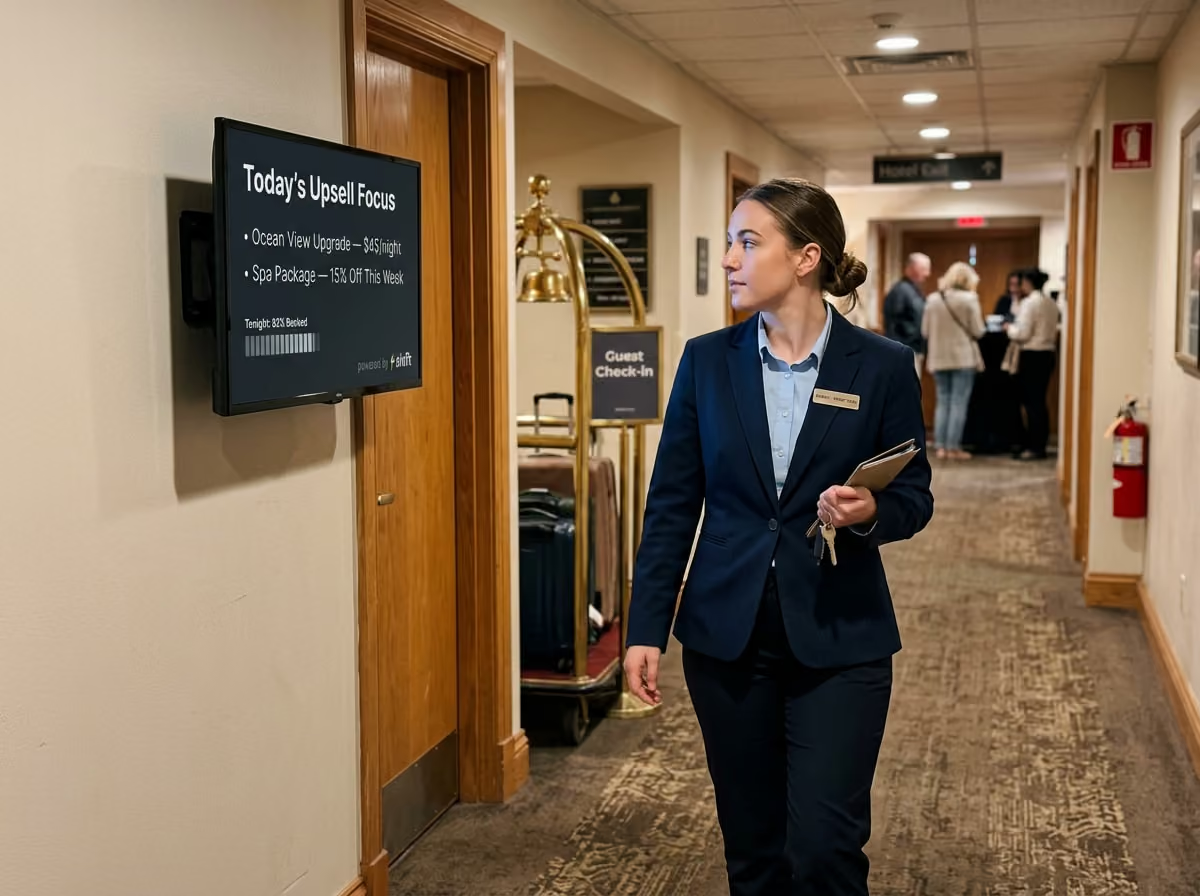
Frontline staff drive revenue directly. Upsells, package promotions, restaurant specials, and loyalty program enrollment all depend on staff actually knowing what to pitch. Digital signage keeps those offers visible and current in the spaces where staff clock in and take breaks, reinforcing what to promote that day or that week.
Turnover is high, and onboarding needs to be constant. Hospitality has one of the highest turnover rates of any industry. New hires are always mid-onboarding somewhere in the building. Signage that loops training reminders, safety protocols, and brand standards gives new employees repeated exposure to the basics without pulling a manager aside to repeat it in person.
Give Your Employees the Tools They Need to Improve Guest Experience
Every guest interaction is only as good as the information the employee walked into it with. Digital signage eliminates that issue by putting the right knowledge in front of staff right before they need it. Specifically, it can:
- Keep staff current on promotions and packages to sell upgrades, spa packages, or dining deals confidently.
- Surface daily specials and menu changes so restaurant staff can speak to dishes and allergens without checking with the kitchen.
- Reinforce brand standards and service scripts for a consistent guest experience across every shift.
- Highlight VIP arrivals, group events, and daily occupancy so staff are prepared for what's happening on property.
- Deliver real-time guest satisfaction scores so staff can see how service is landing and adjust quickly.
- Speed up new-hire readiness by looping essential service protocols and brand knowledge.
- Recognize guest-facing wins — great reviews, service recovery saves — to reinforce the behaviors that matter.
Where Digital Signage Fits in Day-to-Day Hotel Operations
The most effective hotel programs place screens with intention, matching content to the audience that passes by.
- Break rooms and staff cafeterias are the highest-traffic internal spaces in most hotels — every department cycles through them. This is prime real estate for company news, employee recognition, birthdays and work anniversaries, benefits reminders, and morale-building content.
- Back-of-house corridors near the front desk, bell stand, and concierge are ideal for sales-focused content: current promotions, upgrade packages, loyalty program pushes, and daily occupancy or rate goals that give front-desk teams a reason to upsell.
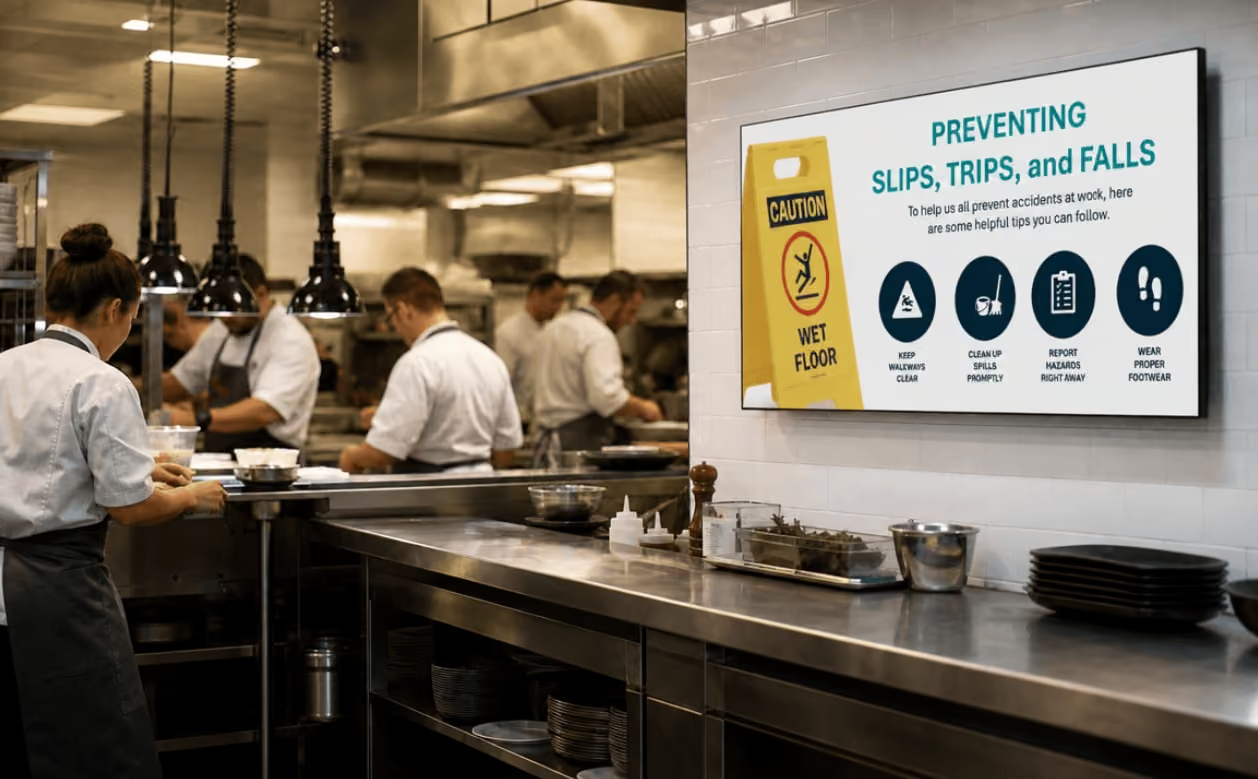
- Kitchen and food prep staging areas work well for menu changes, allergen and safety reminders, and service standards that need to be top of mind right before staff walk onto the floor.
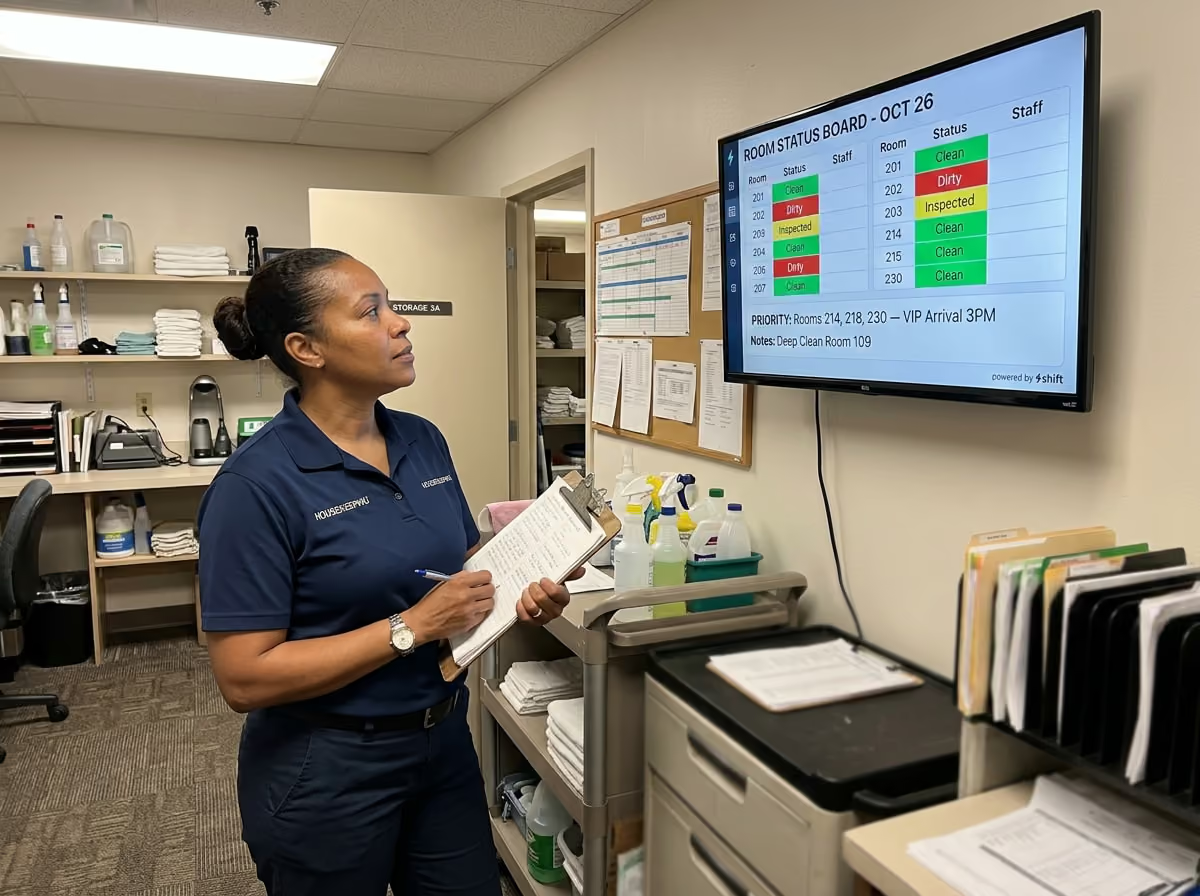
- Housekeeping and engineering offices benefit from operational dashboards: room status boards, task assignments, maintenance alerts, and safety or compliance reminders specific to those roles.
- Management offices and ops centers can display real-time KPIs — occupancy, ADR, RevPAR, guest satisfaction scores, department goals — so leadership and department heads are working from the same numbers throughout the day.
How to Do Internal Digital Marketing for a Hotel: A Step-by-Step Approach
Want to know how to set up an effective internal digital marketing strategy? Follow these tips.
Building an internal marketing program with digital signage isn't about buying screens and hoping the right content shows up. You need to ensure employees are aware of important communications, training opportunities, onboarding options, all while promoting engagement. It takes the same planning a guest-facing marketing campaign would get. Here's a practical framework.
1. Define what you're actually trying to achieve
Before choosing hardware or software, get specific about the goal. Is the priority increasing upsell revenue at the front desk? Reducing turnover by improving recognition and culture? Standardizing safety and compliance messaging across a multi-property portfolio? Speeding up onboarding? Each goal points toward different screen placement, different content mix, and different success metrics. Most hotels end up pursuing several of these at once, but naming the top priority first keeps the rollout focused.
2. Map your audience by department and shift
A hotel isn't one audience — it's front desk, housekeeping, restaurants, sales, engineering, and management, often working shifts that never overlap. Identify what each group needs to know and where each group actually spends time during a shift. Housekeeping doesn't need to see restaurant specials; the front desk doesn't need laundry chemical protocols. Segmenting content by location and department, rather than broadcasting the same message to every screen, is what separates a signage program that gets watched from one that isn’t.
3. Choose your screen locations based on real foot traffic
Walk the property with a floor plan and mark where staff actually congregate: the break room, the time-clock area, the loading dock, the back hallway between the kitchen and the ballroom. These are better locations than a random hallway that looks convenient on paper. If you're running multiple properties, decide early which content is corporate-mandated (brand standards, safety, HR policy) versus property-specific (local promotions, that week's staff shout-outs), and build your content permissions around that from the start.
4. Build a content calendar and mix, not a single static message
The biggest failure mode in internal signage is treating it like a bulletin board that gets updated once a month. Effective programs run a rotating mix of content types:
- Company and property news
- Sales targets, current promotions, and upsell talking points
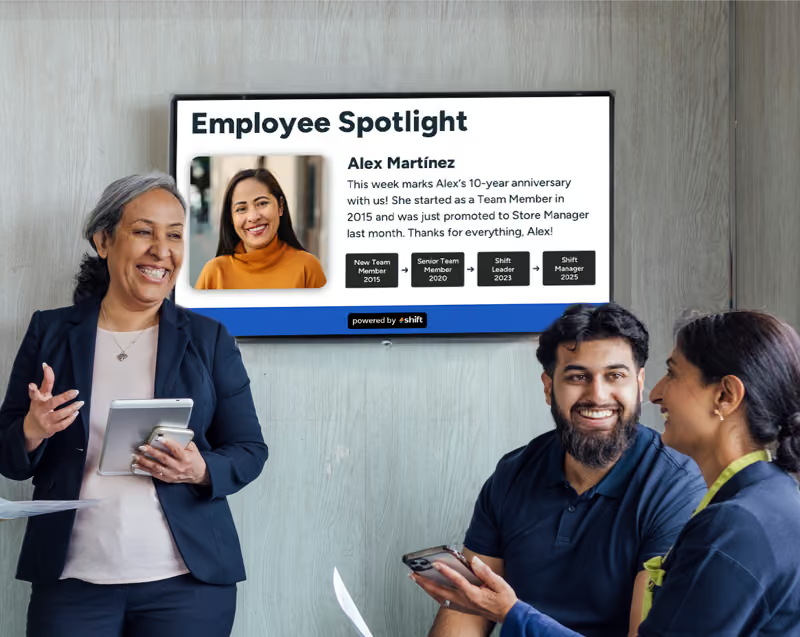
- Employee recognition, milestones, and birthdays
- Safety, compliance, and brand-standard reminders
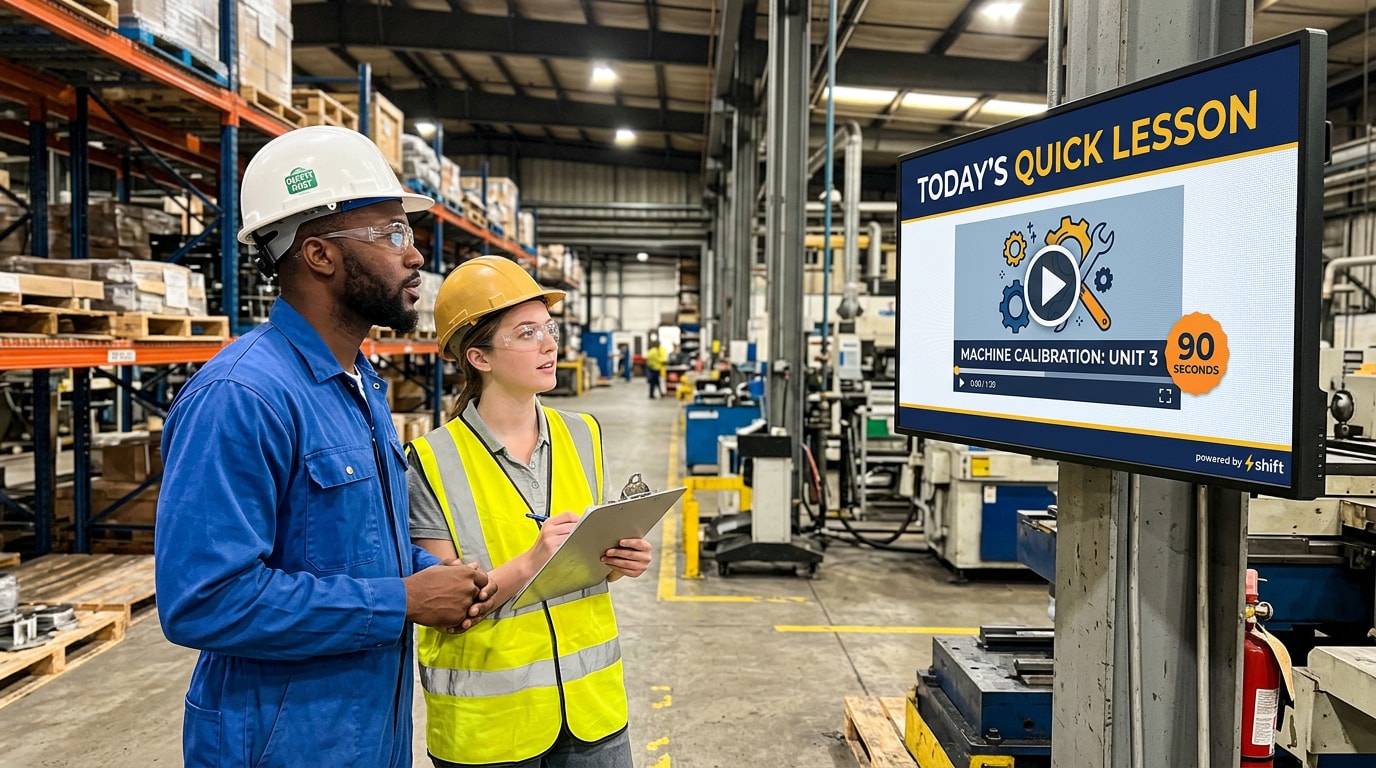
- Training clips and microlearning content
- Live KPI dashboards for management-facing screens
- User-submitted content, like team photos or shift shout-outs, which tends to resonate strongly with frontline and younger staff
Refreshing this content on a regular cadence — daily for some categories, weekly for others — is what keeps staff actually glancing at the screen instead of tuning it out.
5. Select a content management platform built for distributed teams
The software matters as much as the screens. Look for a platform like Shift that lets corporate push brand-wide content while giving individual properties or department heads the ability to add their own local updates without needing design or IT skills. Templates matter here — a platform with pre-built layouts means a busy GM or HR coordinator can post an update in minutes rather than waiting on a graphic designer. For hotels, it’s essential that the system can integrate with PMS data for occupancy figures, HR systems for recognition and anniversaries, and LMS platforms for training content.
6. Keep the design on-brand and easy to scan
Hotel staff are glancing at these screens for seconds at a time between tasks, not sitting down to read a memo. Content should be visual, short, and legible from a distance, and it should reflect the same brand identity guests see in the lobby. Consistent templates, brand colors, and simple typography make the signage feel like a natural extension of the property rather than an afterthought bolted onto a break room wall.
7. Give employees a way to participate, not just receive
The most engaged internal marketing programs aren't one-directional. Letting staff submit photos, nominate a peer for recognition, respond to a poll, or scan a QR code to complete a quick survey turns the screen from a broadcast tool into a two-way channel. This kind of interaction tends to land especially well with younger frontline staff, who are used to engaging with screens rather than passively watching them.
8. Measure what's working and adjust
Track the metrics tied to your original goal: Did upsell revenue move after promotions started appearing at the front desk? Did onboarding time shrink once training content was looped in back-of-house areas? Did employee survey scores on "feeling informed" or "feeling recognized" improve? Most signage platforms provide some level of engagement reporting — screen uptime, content views, QR scans — which can be paired with operational and HR metrics to see whether the program is actually working as it was intended.
Use Shift Digital Signage for All Your Hotel’s Internal Marketing Needs
You can accomplish better staff communication with Shift!
Looking for a powerhouse digital signage platform that can boost your internal marketing game? Then you’ll definitely want to check out all that Shift has to offer. Shift can easily work for a hotel that’s one property or many, and it’s a breeze to set up. You can make new content and edit from any device with the Content Navigator, that’s full of useful templates to get you started.
With a 60 day free trial, you can really get a feel for the system and learn how it can change the game when it comes to internal marketing to hotel staff. Shift can create all kinds of content, including:
- Employee recognition through spotlights, work anniversaries, achievements, and birthdays
- Access to training materials and quick refreshers
- Assisting with onboarding
- Wayfinding
- Internal company communications specifically for hotel brands
- Posting safety or emergency alerts
- Surveys for staff through QR codes
- Real-time information like occupancy and inventory lists
- Ways to promote cross-selling and upselling opportunities to guests
Will You Take Advantage of All Digital Signage Can Do for Internal Marketing?
Hotels already understand that guest experience depends on employee experience. Digital signage is simply the infrastructure that makes sure the message actually reaches the people delivering that experience, on every shift, at every property, every day.