.avif)
By Theresa Bontempo
Representation within a company is important, and employees must be included in order for them to feel valued and supported. One way to do this is by establishing and supporting employee resource groups (ERGs).
ERGs are voluntary groups that allow employees with common interests or identities to come together. These can also be referred to as affinity groups or business resource networks and provide a supportive environment where staff members can share their experiences and obtain information.
ERGs are typically focused on underrepresented groups, such as women, veterans, and members of the LGBTQIA+ community. They have also started to focus on mental health and wellness. An enterprise company's ERG can help workers feel part of the organization, especially when there are so many people.
ERGs play a vital role in DEI initiatives as they help companies develop a stronger community for employees who share common identities. They can also help establishments establish safe spaces for individuals to come together as their authentic selves.
How Do ERGs Function in the Workplace?
ERGs can help employees develop their skills and knowledge by connecting them with other like-minded individuals. They can also lead seminars, workshops, and webinars that are designed to help employees improve their career paths. These groups can additionally demonstrate how they can apply the learning to their regular work.
Gen Zers, as well as other potential employees, are looking for companies that accommodate their full identities. This is why it's important for establishments to establish resource groups to show their support for employees who share similar identities. These can be advantageous places for new hires as they can help them feel like they belong to the company culture.
Resource groups can be places where staff members can discuss new ideas related to work productivity, customer segments, and product features. Gathering and conversation can result in fresh perspectives from individuals who may not have had the chance to connect in the past. Such ideas can help facilitate creative progression and encourage informal leadership roles.
Overall Goals & Purpose for Employees
An ERG should have a clear goal and mission, and these should be focused on areas such as increasing employee engagement, developing a stronger community for management and leadership, and improving diversity among the ranks.
The objectives should be SMART, measurable, and time-based, and progress should be tracked regularly using established data. This ensures the program will be successful, and the resource groups will follow the organization's goals.
In addition, it's important to have individuals who can serve as resource group leaders to ensure that they're inclusive and meet the needs of all workers. These individuals ensure that the resource groups follow the company's objectives and are accountable for their actions. Their dedication to promoting inclusivity and fostering a more inclusive work environment enhances the group's impact.
Employee resource groups and mentoring can help boost a person's sense of belonging in the workplace. Through the recruitment process, the groups identify potential mentors and mentees. These individuals then form bonds that will help the ERG achieve its objectives. ERG participants can enhance their skills, engage in critical conversations, and cultivate accountability through mentorship.
Impact Beyond the Company Limits
ERGs are primarily focused on supporting employees and fostering an inclusive workplace, but their impact goes beyond the walls of the company. One of the most important advantages of a successful ERG is their ability to contribute to various social and environmental goals.
An ERG typically leads various community outreach initiatives, such as organizing events, conducting donation drives, or partnering with a non-profit organization. These efforts help employees make a difference in their local communities and strengthen their connection with the company.
ERGs align with the ESG goals of their organizations by promoting an inclusive and diverse work environment. They can also help organizations develop effective policies and procedures by advocating for more transparent and inclusive practices.

For instance, an ERG can launch campaigns to reduce the company's environmental impact or educate their staff members about sustainability.
Open Doors for Everyone
One of the main criticisms of ERGs is that they provide preferential treatment to certain groups. This is untrue, as these are designed to open doors that have been closed in the past. Instead, they aim to address the longstanding imbalances in corporate America, which have favored certain groups through legacy hiring and informal networks.
Unlike traditional networking groups, ERGs do not prevent employees from establishing their own networks or taking part in professional development. They provide opportunities to those who may not have had the chance to connect with others due to their background.
ERGs can help companies improve their performance and culture by giving employees a wider variety of perspectives. Inclusive workplaces tend to be more successful with an ERG than those without them, as they allow workers to feel valued and contribute to the company's innovation.
How to Start an ERG Group
There is no innovation without new perspectives and diversity. According to studies, teams and coalitions that have diverse backgrounds are more resilient and productive when it comes to solving complex problems. Exploiting the diversity within your organization can also help you reduce the risk that you will not be able to scale properly.
While ERGs are typically focused on identity, collaborative innovation goes beyond that and allows employees to belong to a community that's bigger than their own. Resource groups are great places to host impromptu hackathons or whiteboard sessions where employees can discuss new ideas. These are also great for cultivating critical conversations among coworkers and inspiring innovation. Just like scaling companies, ERGs play a vital role in the longevity of a brand by supporting and encouraging critical exchanges among workers.
Your program's overall purpose should be clear and simple to understand for both the company community and your ERG members. If you're planning on starting a new program, it's important that you gather input from your team members and identify groups that they're interested in launching. You can also collect feedback from other departments to see if there are any volunteers or leaders interested in becoming involved.

The goal of your program should be to establish a strong working relationship and create a safe environment for all of your employees.
Use Shift to Leverage Your ERG
Shift can help a company establish an integrated support and empowerment channel through ERGs. This will allow employees to feel valued and supported in a manner that fits with the company's objectives.
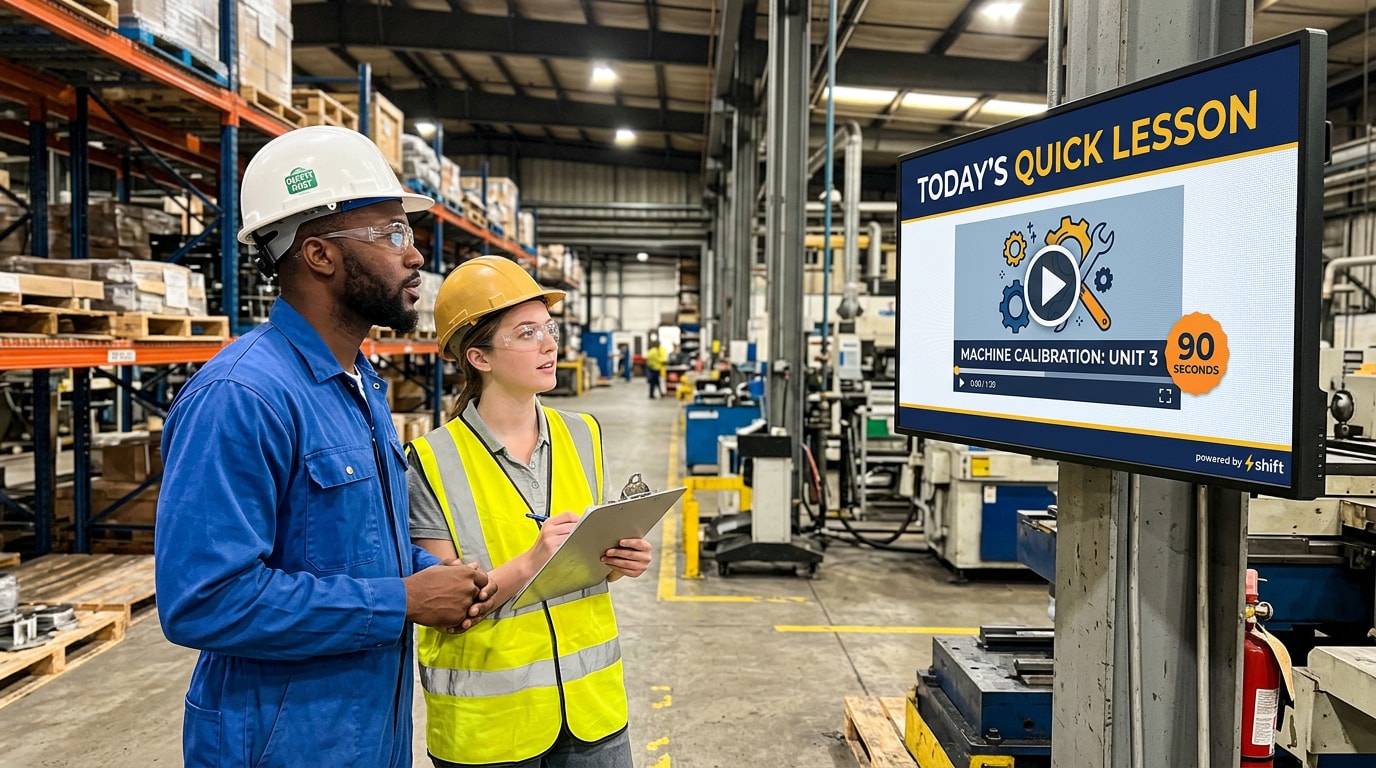
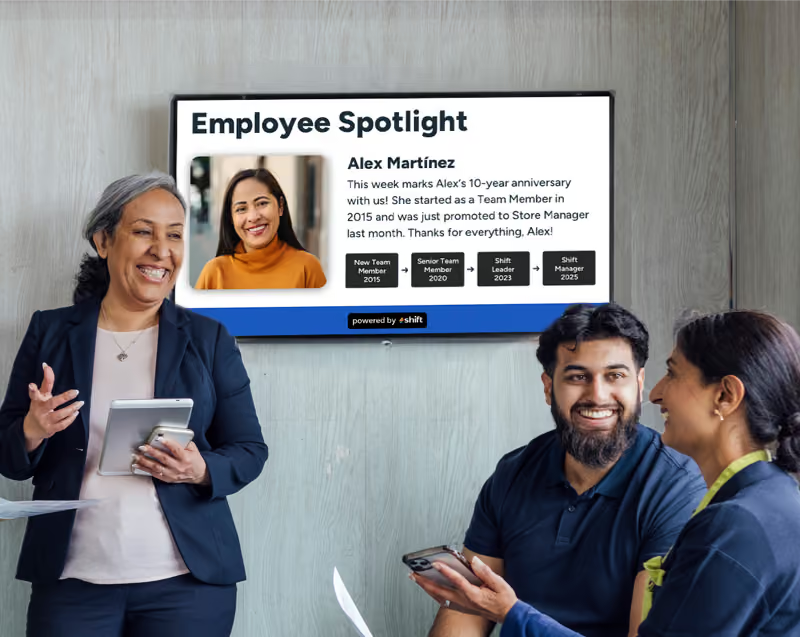
Through the use of Shift's screens, ERGs can publicize past events and activities, as well as meeting schedules and photos. This can help increase participation and make the organization more visible. Employees can also submit content for inclusion in the platform.
ERG members can provide valuable feedback through Shift, which can be used to gather insights about the company's products and customer segments. This can be shared with other teams.
- Initial Planning
It's important that the ERG group has both goals and plans for the year. One of these is to set meetings that will occur every month, and the group should also inform the members of the ERG about the schedule of communications.
Before the meetings start, it’s important that the members are informed about the various activities and tasks that will be carried out during the month. This can be done through the use of surveys and feedback forms. Besides the leadership, it’s also important that the members provide feedback.
The ERG should prioritize programs and activities that foster a sense of belonging and inclusion among marginalized groups to improve the culture of work. If its goal is to strengthen ties with the community or form partnerships with organizations within the industry, then there should be initiatives and sub-committees dedicated to this matter.
- Budgeting
When it comes to developing an ERG budget, one of the most common obstacles that executive leaders will encounter is the lack of a clear understanding of the benefits that the new initiative will bring. They will be looking for a reason why the revenue and profits of the company will increase, and having a budget is very important to ensure that the ERG will be successful.
Motivated by the bottom-line results, executive leaders often base their decisions on quantitative data. For instance, if you have determined the potential savings that the ERG could make in improving employee retention, present this data to your executive leaders. You can then use case studies or market research to show the ROI of the program.
- Executive Buy-In
The executive buy-in is very important to ensure that the ERGs are successful, which allows employees to start their own groups on their own time, but it also helps the organization create a space where they can find and foster engagement. Even if you are not leading the effort, you should still be contributing to the development of the ERGs by providing the necessary resources and tools.
- Deciding on the Design and Tools
Once you have executive approval, start thinking about your programs' design. This step involves deciding on the type of tools and resources that will be used to run your programs, and also the strategy that will be used to design your ERG. You'll need to involve key stakeholder groups in the design process.
The people are the most important component of an employee engagement program, however they aren't the sole cause that can pull the program's entire weight. Instead, they need help from tools and resources to ensure that the programs work seamlessly. ERGs need to have a variety of tools to reduce the time and effort required by their leadership team.
- Marketing
Getting your ERG off the ground is the final step before it can start thriving. Effective marketing can help distinguish between a thriving ERG and one that merely exists. In this step, you'll be focused on generating buzz, building engagement, and motivating participation. The more people who are involved, the more impactful your ERG will be.
- Emails/announcements: Targeted emails or company-wide announcements can be used to let everyone know about the ERG or upcoming events. In addition, you can create articles and other highlights about the ERG on your intranet or website.
- Digital screening: Digital boards or screens such as the ones with Shift can be used to display information about the ERG, as well as advertisements. During regular meetings, team members can introduce the program and encourage participation.
- Social media: Share the ERG's achievements and initiatives on LinkedIn to boost your company's employer brand. You can also create QR codes that will allow candidates and employees to access these details.
- Blogging: Share informative and long-form content on your company's blog about the ERG's activities and objectives, which can include employee interviews and success stories. Highlight the ERG's meetings and events through short videos or pictures.
- Holding an event: Your company's ERG could hold a launch event to introduce its objectives. It should also provide an opportunity for networking and discussing its plans. In addition, you can invite prominent industry figures or internal leaders to speak at the event.
- Monitoring data: KPIs can be used to monitor engagement levels, such as the number of people participating in events and newsletters, as well as social media activity. Feedback loops can also be created to collect feedback from members through regular surveys.
An employee resource group (ERG) is a powerful tool that connects people, supports them, and drives change. It can help build an inclusive workplace and foster community involvement, which are also beneficial for organizations as they help develop their social and environmental conditions.